
The Real Costs of Moving To The Netherlands In 2026
Categories: Latest News,Money Tips
A move to the Netherlands looks easy enough on paper. Get a job or secure a place to study, book that flight, then begin a new life along the canals, by a windmill, or in a charming town. But then the bills creep up, and you soon realize the plane ticket was the cheap part. In all honesty, relocating to the Netherlands can get expensive. Throw in some surprises, and you’ll definitely want to be fully aware of the real moving costs before you leap to the Netherlands headfirst.
Many costs aren’t immediately apparent, such as apartment setup fees, bike locks, everyday living expenses, visa processing fees, the translation and legalization of documents, and more. Here is what to budget for before you land, with our collection of the real costs of moving to the Netherlands.
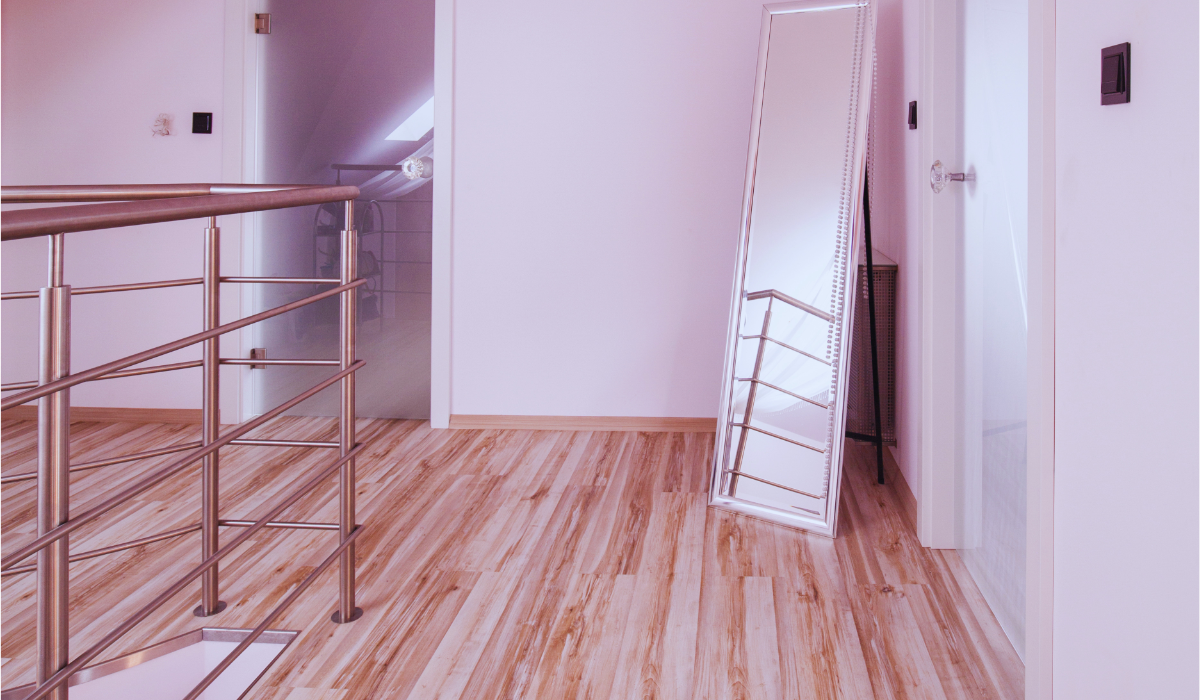
Furnished or Unfurnished Properties
Here’s a quick look at the costs of each.
Furnished: Often costs more each month, but you can move in right away. May cost about €200–€400 more per month than an unfurnished place.
Soft or Semi-furnished (Gestoffeerd): Usually includes flooring and curtains, but no furniture. For basic furniture and household items: roughly €2,000.
Bare (kaal): In the Netherlands, unfurnished (ongemeubileerd) can mean the place is pretty empty. No flooring, no lamps, and sometimes no curtains at all. Check with the landlord what’s included to avoid any nasty surprises. Plan to spend quite a bit to get it ready to live in, maybe €3,500 upwards.
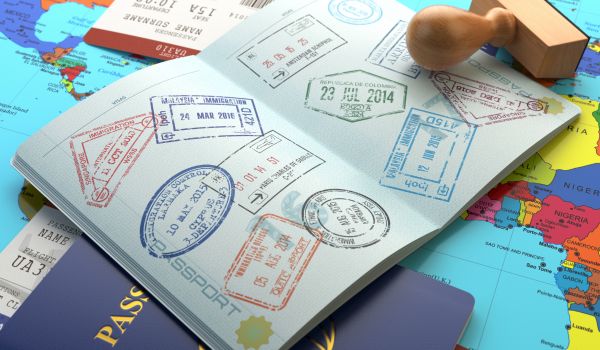
Visa and Immigration Fees
The amount you pay depends on your situation and origin.
If you are from the EU, EEA, or Switzerland, you usually do not need a visa or a residence permit. That means you avoid many costs.
If you are not in that group, the price depends on the permit:
- Highly skilled migrant permit: about €423. In many cases, your employer covers this.
- Student residence permit: around €254.
- DAFT visa (for US entrepreneurs): €423. This total includes the business deposit you set up, usually about €4,500. The permit fee itself is lower.
Fees can shift each year. Check the current IND rates before you plan your budget.

Cost of Living: What You’ll Pay Each Month
When you get used to daily life, your cost-of-living spending starts to look steadier. Below is a basic estimate for one person living simply.
Groceries
Plan on about €350 to €400 per month for food. Stores like Albert Heijn cost more. Lidl and Aldi tend to help you keep costs down.
Utilities and Internet
For gas, water, and electricity, expect roughly €150 to €250 each month (in Dutch rental contracts, utilities are sometimes paid in advance, followed by a settlement based on actual consumption; the monthly amount doesn’t necessarily reflect the final cost).
The internet is usually about €40 to €60 per month.
Energy costs have swung around a lot in recent years, so it helps to leave some room in your plan. If your apartment is older and poorly insulated, the heating costs can jump quickly during those Dutch winters.
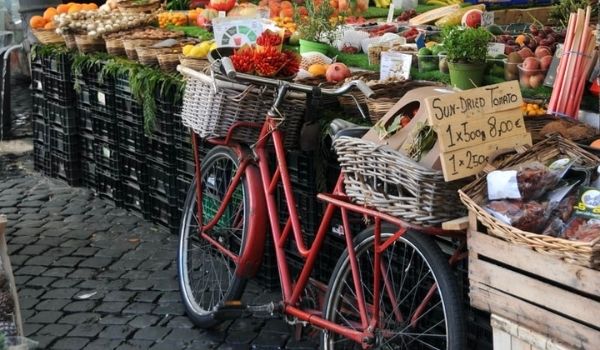
Getting Around
Dutch transport can feel confusing at first. Prices change a lot, and what you choose can hit your monthly spending more than you expect.
Public transport
Public transport is efficient, but it is not free. Trains, trams, buses, and the metro are run well, and the network is large. You use an OV-chipkaart or OVpay across nearly all operators.
For daily commuters, a monthly subscription is often the cheapest option. The exact price can change based on distance and other factors.
Bike
If you do one thing, get a bike. In the Netherlands, a bicycle is not just a “nice idea”. It is part of the system. People ride to work, to stores, and to the station, even in bad weather. For most people who have just arrived, a bike is the best investment they can make.
Second-hand bikes are usually the smart start. You might pay about €100 to €250. You can look at local markets, Marktplaats, or second-hand shops. If you buy new from a proper fietsenwinkel, the price is higher, often €300 to €700 for a solid city bike. Newer bikes usually include a warranty, so you have less to worry about. Of course, you can rent a bike from around €16 a month.
Bike Locks
Do not skip the lock. Bike theft is a real problem, especially in larger cities. A low-cost lock will not stop much. Thieves can use angle grinders. A thin cable lock also does not last long.
Plan for something like €30 to €80 for an ART-certified lock. ART is the Dutch testing standard for bike locks. It uses ratings from 1 to 5. Higher numbers mean better protection. In places like Amsterdam or Utrecht, aim for at least ART-2 or ART-3. Some insurance plans will only pay out if your lock meets that rule.
Bike Insurance
It can also make sense to add bike insurance. A basic fietsverzekering is often around €50 to €100 per year. It can cover theft and sometimes damage. When bikes disappear so often, many people feel this is worth it.

Language Learning & the Inburgering
Your situation here depends on where you are from and what permit you hold. In some cases, you must take the inburgering route by law. That usually means you learn Dutch to a set level and take tests about the language and life in Dutch society.
- Inburgering tests: you pay per part, so the total can reach a few hundred euros (reading, writing, speaking, and the Dutch society test are all €50; ONA: €40).
- Dutch classes: prices can range from about €500 to €2,000+ depending on how often you study and who teaches.
Some people can apply for a loan or other support to cover the costs. The rules can change based on when you came to the country and what kind of permit you have. If you must complete the inburgering steps, plan early. This is not optional, and the appointment dates still matter.

Translation and Legalization of Documents
In some cases, the translation and legalization of documents are required: foreign birth certificates, marriage certificates, diplomas, and other documents need apostilles or other forms of legalization in addition to a sworn translation. Get ready to fork out. A tiny bit.
A sworn translation usually costs between €50 and €150 per document, while apostille and legalization fees vary. Budget €150 to €400 in total if you need additional legalization services for multiple documents.
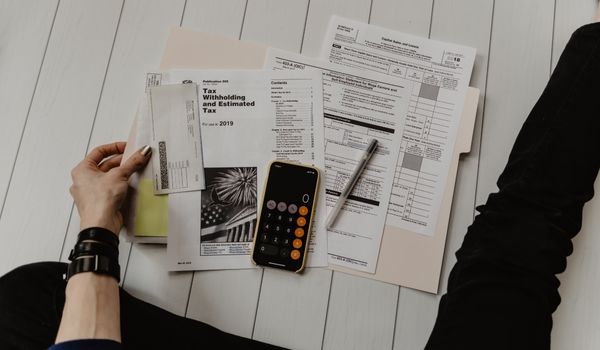
Taxes and the 30% Ruling: Some Help
Dutch income tax can feel steep. It helps pay for roads, healthcare, and the social safety net. If you are an expat, you may hear about the 30% ruling.
Under the 30% ruling, certain skilled migrants can have a portion of their pay treated as tax-free. The idea is to help cover the costs of moving to the Netherlands. In recent years, the rules have changed more than before. The tax-free amount and the time period have been reduced, so in 2027, the gain might be smaller than what people saw earlier. Still, if your employer includes it, it can improve your monthly take-home pay.
Do not assume you will qualify. Some people miss out, and the requirements are not loose. There are limits tied to your salary and where you lived before. It is smart to talk with a Dutch tax advisor.
Final Decision
Moving to the Netherlands can be a smart move for many people. Life here tends to feel well run. The roads, transit, and services often work the way you expect. Still, getting started costs money, and some bills show up in unexpected ways. Other items, like the translation and legalization of documents, are necessary, too. Do the math on these real costs of moving to the Netherlands early, too. When you get the numbers right before you land, the move (and stay) is more likely to feel fun and worry-free.
Leave a Reply
You must be logged in to post a comment.