
Netherlands Air Raid Sirens Will Disappear In 2028 Due To Lack Of Funds For New System
Categories: Latest News,News from the Netherlands
Residents across the Netherlands received an emergency test warning on their phones at noon on Monday, 1 June 2026. The goal was to see whether urgent alerts can reach people fast during a real emergency. Many residents heard a loud alarm tone coming from their devices.
For expats, the twice-yearly NL-Alert trial is a handy reminder of how Dutch emergency warnings work and why the country is still debating what should replace the Netherlands air raid sirens after 2028. If you just moved here, it might feel a little surprising, one minute lunch is going on like it always does, the next minute, phones in the office, on the train, in a classroom, or even in a cafe can all start playing a sharp alert tone at the same time. It is supposed to grab your attention, and in practice, it usually does.
What Residents Noticed
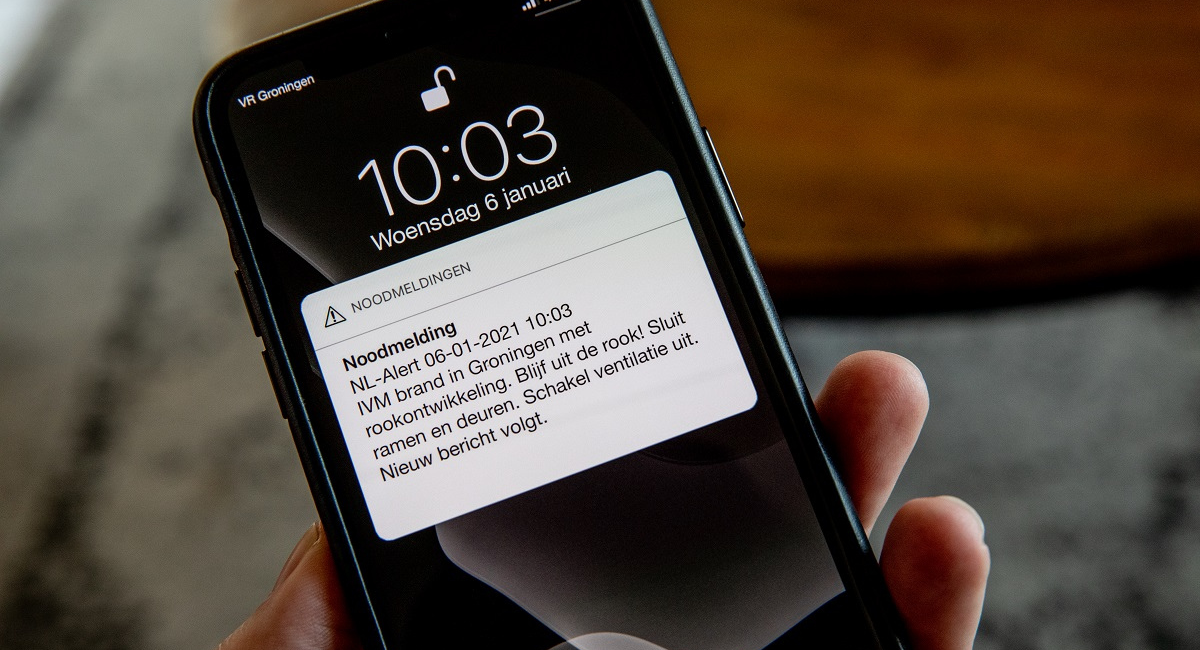
People with a Dutch mobile phone should have received an alert that appeared as a notification on the phone screen and could also include a loud sound and a vibration. The word “test” in the message means residents do not have to call emergency services, leave the building, or take protective steps unless a separate real warning occurs.
It may have come through even while the phone was in silent mode, depending on how the device is configured. Emergency alerts are designed to bypass normal notification rules, since they’re meant for urgent, time-sensitive public safety updates.
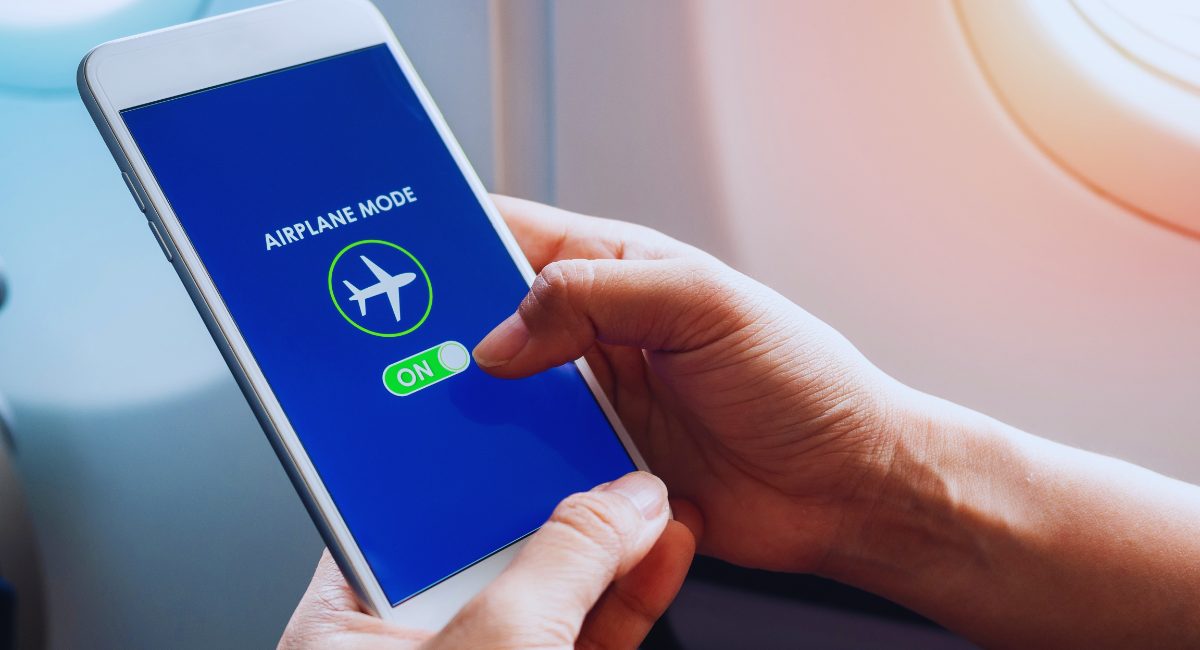
Of course, people can miss it if they were powered off, in airplane mode, without any network coverage for a while, or tied to a mobile tower outside the Netherlands. This can show up near the Belgian or German border, where phones sometimes switch to a foreign network, with the user not noticing much at all.
The alert also depends on whether the device is compatible and properly set up. In most cases, modern phones automatically receive NL-Alert. Even so, residents who did not receive it can still view their settings.
Read Also: An Expat’s Guide to Dutch Emergency Numbers
What is NL-Alert For?
NL-Alert gets used when there is an immediate threat in a particular area, and people need to know what to do right away. Most of the time, the message spells out what is happening, where it is happening, and which steps residents should take.
The system has shown up in earlier incidents, such as fires, smoke, exposure to hazardous substances, and other public safety incidents. It can also help in cases where emergency services or control rooms are temporarily unreachable, though that happens less often.
One strong point of NL-Alert is the location targeting. Someone standing in the affected zone may receive the alert, while a person in another province might not. That keeps panic down and makes it easier for emergency services to focus the warning where it matters.
Still, the system is not perfect. It relies on mobile networks, compatible devices, and people actually having their phones with them. That is one reason why the future of other warning tools, like sirens, has become a political matter, sometimes a bit messy. Residents can also check official government channels, local safety region updates, municipal information, and trusted news outlets during an actual emergency.
iPhone Users Can Check Alert Settings
Apple Support explains that iPhone users can receive government, emergency, and public safety alerts, depending on the country, region, carrier, and local rules.
On an iPhone, people can tweak government alert settings from the Notifications area. Apple says you should go to the Settings app, tap Notifications, then scroll to the bottom of the screen, and review what’s listed under government alerts. In some countries or regions, particular government alerts can’t be turned off. Also, it depends on whether the iPhone has a supported SIM or eSIM and which carrier is in use.
For expats, it’s smart to double-check once you arrive in the Netherlands, especially if the phone was taken abroad or still runs on a foreign SIM. A device can perform perfectly for calls, apps, and banking, but it may still need a little extra attention for emergency notifications.
Android phones generally provide emergency alerts as well, and many devices automatically receive NL-Alert. The labels in menus vary widely across brands and software revisions. If residents missed the test, they can try searching their settings for “emergency alerts,” “wireless emergency alerts,” or a close equivalent.
Why Some May Not Get The Alert
A phone can miss an NL-Alert if it’s turned off, in airplane mode, outside the mobile network area, or when it is connected to a mobile mast in another country. Border zones can feel a little tricky because phones may keep switching between Dutch, German, and Belgian networks, depending on which signal is strongest.
Dual SIM devices may also behave differently depending on which SIM is actually used for mobile service. If someone is relying on a foreign SIM while roaming through the Netherlands, they should check that both the phone hardware and the provider support local emergency alerts.
Older phones may not support every alert feature. Also, software updates can play a role. Residents who want certainty should keep their phones’ operating systems up to date and recheck their emergency alert settings after major updates.
The government has said before that NL-Alert can reach most people right away, and, indirectly, when people warn each other. Basically, if one person in a home or office gets an alert, they can pass it along to others nearby. It is a bit low-tech, but it works.
However, this method has its limits. It does not fully handle the gap for people who do not own mobile phones, those with disabilities, people who are isolated, those with low digital skills, or anyone temporarily cut off from the network.
The Old Siren System Is Under Review
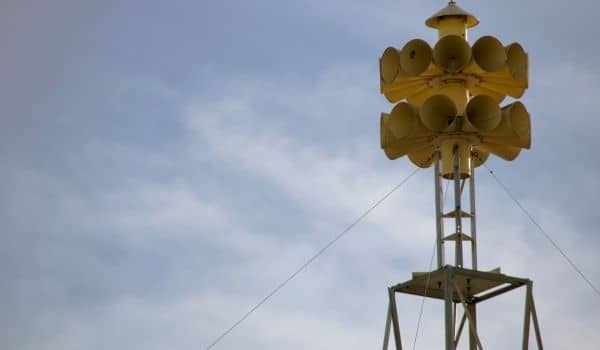
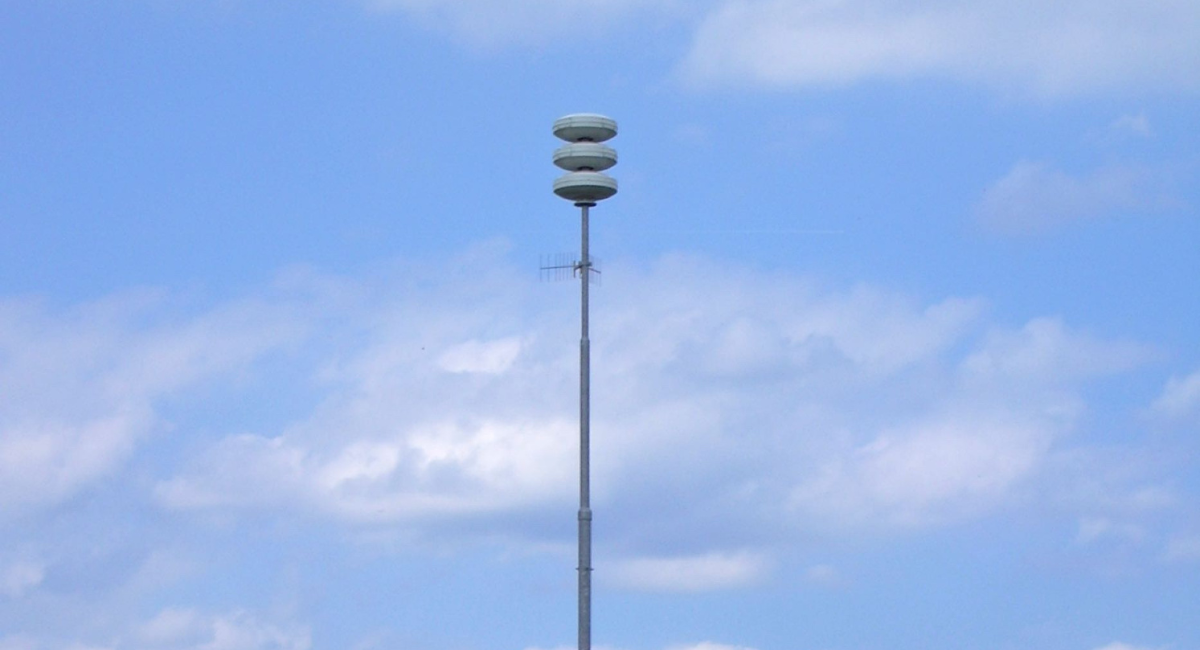
The Netherlands’ air raid sirens also sounded as the country continues to discuss the future of its traditional air raid siren system. The Dutch cabinet has officially canceled funding for the replacement of the country’s aging 1950s-era Warning and Alarm System (WAS). The familiar monthly sirens will fall silent entirely starting January 1, 2028.
Because this funding is missing, the government cannot build a backup system to make the new civil-military warning chain redundant, forcing them to rely primarily on the baseline setup through NL-Alert instead. It only has maintenance contracts secured until January 1, 2028, after which it is scheduled to be phased out.
But the future for that system is uncertain, and it is not immediately clear what comes next. Justice and Security Minister David van Weel told parliament that the present contract for the siren setup runs until 2028. He also added that no budget has been allocated to replace the outdated configuration, at least not yet. This basically means the air raid sirens could fade out after 2028 unless the government decides otherwise, finds the money, or sets up an alternative backup warning method.
Phone Alerts Reach Most, But Not All
For most residents, the test was a quick pause: a loud sound, a message on the screen, then back to normal. For the government, it was a check of the national safety system. For parliament, it highlighted a policy issue that still needs a clear answer before 2028.
The country might end up leaning more on mobile alerts if the air raid sirens are phased out. Lawmakers said they want a backup system ready if that happens. So, the conversation has moved on to what the arrangement should be, how it would run in practice, and exactly who pays for it.
Until those calls are settled, residents should expect NL-Alert tests and air-raid sirens about twice each year, at noon on the first Monday in June and again in December. The next time phones across the country suddenly start making noise, at the very same moment, the safest move is to stay steady: read the alert, see if it is truly a test, and recall what actions to take if, one day, it is not.