
The Dutch Housing Market in 2026: A Guide for Expats
Categories: Housing,Latest News
It might sound strange, but the Netherlands is short about 400,000 homes, even though supply is higher than it’s been since 2016. How? Well, prices are holding steady each month, giving buyers more time to decide. Still, if you’re looking in Amsterdam, Utrecht, Rotterdam, or The Hague, you’ll notice the competition is still intense.
This difference between the national picture and what’s happening in the cities will affect every choice you make.
In this guide, you’ll find what’s happening in 2026, tips for finding a rental, advice on when buying is a good idea, and a look at the tax and legal issues that often surprise people.

The Shortage and Supply Gap, Explained
There are more homes available now. Many landlords are selling smaller places because rent caps and higher taxes have reduced their profits. Prices dropped a bit at the start of 2026, so you have more choices and don’t have to rush your decision.
But the housing shortage is still here. Most of the pressure is in the Randstad, where many expats want to live. While things are easing up across the country, competition in the major cities remains strong.
The main point: More homes mean you have a bit more space to make decisions, but it’s still not an easy market for buyers.
The New Foundation Rule
Most newcomers don’t notice this change.
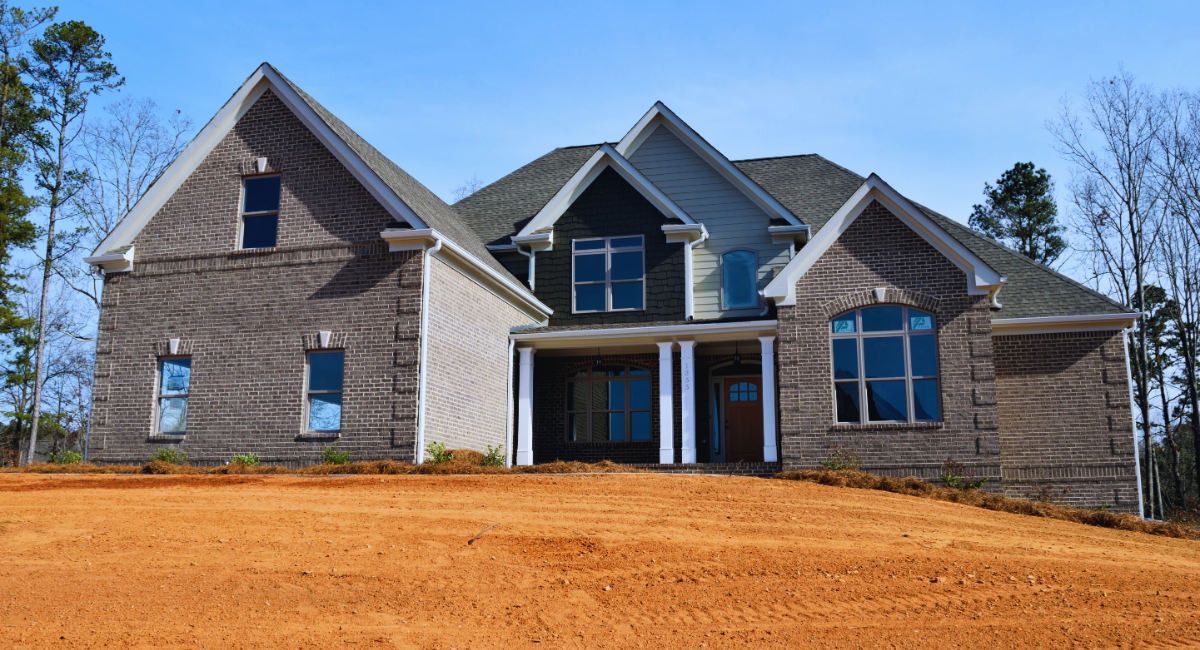
Starting from 1 April 2026, every property valuation report must include a foundation grade from A to E. Grades A or B are good. If the grade is D or E, you’ll need more checks before you can get a mortgage.
Here’s the catch: the valuation happens only after you’ve agreed to buy. You might find a place you love, settle on a price, and then discover the foundations have an E grade. In the Netherlands, where the ground is soft and wet, this isn’t unusual. Fixing foundation problems can cost a lot.
Protect yourself from the start. Estate agents are not allowed to lie about foundations if you ask, so make sure you do. Have your agent ask about the foundations during viewings. Find out about any repairs or settling issues, and get all answers in writing.
The main point: Ask detailed questions about the foundations before you make any commitments.

Rent or Buy? The Three-Year Rule
Most expats start by renting and then see how things go, which is a smart approach. But if you’re planning to stay for three years or longer, it’s worth seriously considering buying.
In Amsterdam, monthly mortgage payments are often less than the rent for a similar place. You might end up spending more on rent than you would on owning. Over three years or more, those extra costs can really add up.
Buying isn’t always the best choice. It means your money is tied up and you’re committed to one location. There are also upfront costs you’ll need to pay yourself. Here’s a simple breakdown:
- Staying 1-2 years or unsure? Rent. Keep your options open.
- Staying 3+ years? Look at the numbers for buying. They may surprise you.
Winning the Rental Race
The rental market moves quickly. Once a listing appears, viewings usually happen within a day or two, and the whole process can finish in just a few days. If you’re not prepared, you might miss out.
How the process works
- Start by finding a listing, usually on Funda or Pararius. These are the main websites locals use.
- Go to an in-person viewing. Most landlords won’t consider applicants who haven’t visited in person, so being in the country is almost always necessary.
- Submit your application dossier.
- Landlords choose the person they see as the safest bet, not the one who offers the most money. It’s not an auction.
If you’re not selected, you probably won’t hear back. That’s how things work here.
Build a dossier that wins
Landlords make their choice based on risk. Your goal is to look like the safest option. Have these papers ready before you start viewing:
- A valid passport
- Three months of bank statements
- Recent payslips or tax returns
- An employment contract or proof of income
- Reference letters from former landlords
There’s also the income rule. Landlords usually want to see a gross monthly income that’s three to four times the rent. For example, if the rent is €1,500 per month, you’ll need to show €4,500-€6,000 in gross monthly income. If you don’t meet this, you won’t qualify, even if you have plenty of savings.
A few things to know:
- Permanent contracts win. On probation? Expect pushback.
- Self-employed? Prepare two to three years of tax returns and certified accounts. A guarantor letter can help.
- At signing, budget for a 1- to 2-month deposit plus the first month’s rent.
Look stable on paper
Reliability is important in the Netherlands. Avoid mentioning probation periods, short-term plans, or anything uncertain. Focus on the stable parts of your situation.
The main takeaway: landlords look for calm and predictable tenants. Make sure you show that in your application.
When to look
You’ll find the most available rentals between January and March or July and August. Try to search during these times.
Decoding “Unfurnished”
In the Netherlands, “unfurnished” can mean very different things. If you misunderstand, you could end up with a big bill when you move in.
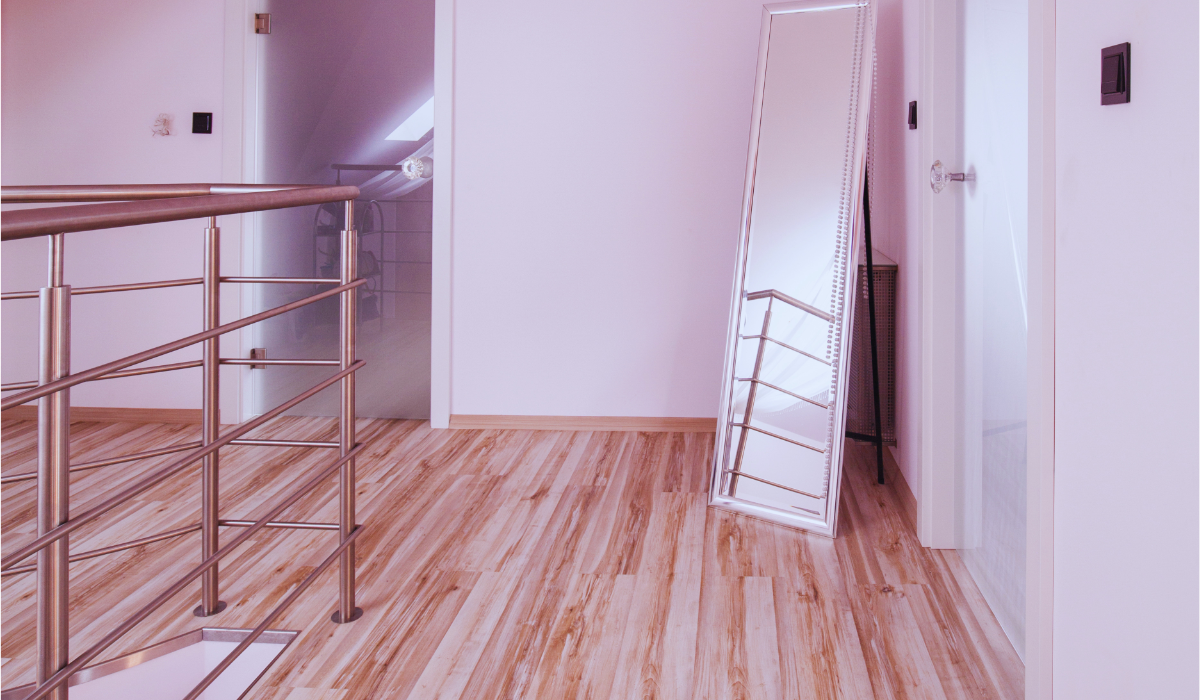
- Kale woning (bare): Just four walls—no flooring, light fittings, or curtains. You’ll need to budget €2,000 to €5,000 to make it livable, before buying any furniture.
- Gestoffeerde woning (semi-furnished): Flooring, curtains, and painted walls included. No furniture.
- Gemeubileerde woning (fully furnished): Almost everything is included. This is usually the most expensive option and is often used for short stays or company relocations.
Most long-term rentals are either bare or semi-furnished. Utilities like gas, electricity, water, and internet are almost always billed separately.
Register As Soon As You Move In
You need to register (inschrijven) your rental address with the local council within five days of moving in. This gives you a BSN (citizen service number). Without it, you can’t:
- Receive a Dutch salary
- Open a bank account
- Get health insurance
- Register with a doctor
If a landlord says you can’t register, walk away. This is often a sign of an illegal sublet. No apartment is worth risking your BSN.

Rental Scam Red Flags
Because demand is high, scams are common. Watch out for these warning signs:
- A deposit is asked for before any viewing occurs
- A landlord who is conveniently abroad or unreachable
- Photos that look too spacious or “not quite Dutch”
- Prices are well below market rate
- Long, suspicious lists of included appliances
If a deal seems too good to be true, it probably is. If you run into trouble, you can get free legal advice from !Woon or Juridisch Loket.
A few more tips: Rental contracts are often in Dutch, so get them translated before you sign. Some agency fees, like “key release” or “takeover” charges, are illegal and shouldn’t be charged to you. Take photos of the whole property when you move in to protect yourself in case of a deposit dispute.
Buying as a Non-Dutch National
Your nationality doesn’t affect your ability to buy property in the Netherlands. You have the same rights as Dutch citizens, and you don’t need a residence permit. Just remember, buying property doesn’t give you a visa.
Leasehold vs. freehold
There are two types of property ownership, and the difference is especially important in Amsterdam.
- Volle eigendom (freehold): You own the building and the land. Most properties outside Amsterdam are freehold.
- Erfpacht (leasehold): You own the building but rent the land it stands on, paying annual ground rent. About 80% of properties in Amsterdam are leasehold.
Leasehold isn’t always a problem, but ground rent terms can vary a lot and may increase sharply when renewed. Always check the conditions before you agree to anything.
What buying costs
You can borrow up to 100% of the property’s market value, but you’ll need to cover the buying costs yourself. These are usually 4-6% of the purchase price. Here’s what you’ll need to pay for:
- Transfer tax (overdrachtsbelasting): First-time buyers aged 18-35 who buy for under €555,000 pay 0%. Other owner-occupied purchases pay 2%. Investment or second properties pay 8%.
- Notary fees: roughly €1,000-€2,500
- Mandatory valuation: €400-€700
- Buyer’s agent (aankoopmakelaar): usually around 1% of the purchase price
The buying process, step by step
- Find out how much you can borrow before you start viewing properties. There’s no formal pre-approval process, but a mortgage broker or adviser can tell you your limit. The final loan usually takes two to four weeks to arrange. Knowing your budget helps you make confident offers. For independent advice in English, Financial Consultancy Holland helps expats and first-time buyers understand their mortgage options.
- Search, mainly via Funda, often with a buyer’s agent.
- Both sides sign a preliminary purchase agreement (koopovereenkomst). You then get a three-day legal cooling-off period.
- The notary (notaris) checks the title, drafts the deed, and registers it with the Kadaster (land registry).
- Expect six to eight weeks from the accepted offer to keys.
One more thing about bidding: if you offer more than the valuation and it comes in lower than your agreed price, you’ll have to pay the difference yourself or risk losing the home. Knowing your budget ahead of time helps you avoid this problem.
Why new builds appeal to expats
Newly built homes avoid most issues that come with older properties. Foundation problems are rare, maintenance costs are lower, and energy standards are up to date. If you want stability and predictable costs, consider a new build.
Tax: What Most People Get Wrong
Owning property in the Netherlands can affect your home country’s taxes. Get advice early, as mistakes can be expensive.
Key points for US-connected owners:
- Owning Dutch property in your own name does not, by itself, trigger IRS Form 8938 reporting.
- If your combined foreign account balances pass $10,000 at any point in the year, you must file FinCEN Form 114 (the FBAR). Penalties for missing it are serious.
- The US-Netherlands tax treaty helps avoid double taxation. The Foreign Tax Credit (Form 1116) offsets Dutch taxes against US tax on rental income or gains.
- If you live in the property, you’ll encounter the eigenwoningforfait, a notional rental income figure added to your Dutch tax return each year.
For the US side specifically, a specialist like Taxbrella, an Amsterdam-based service that handles US tax filing for Americans abroad, can keep your IRS obligations in step with your Dutch return.
No matter where you’re from, the best advice is to use a tax adviser who understands both countries’ systems and works with them regularly.
The Bottom Line
In 2026, being prepared is key in the Dutch housing market. There are more homes available, prices are stable, and you have a bit more breathing room than last year. Still, the most popular cities move quickly.
Have your rental dossier ready before you start viewing. Ask detailed questions about foundations before buying. Make sure you know what “unfurnished” means before signing. Register as soon as you move in.
The most important question is whether you’re staying for 1-2 years or more than 3. Once you know that, the rest of this guide will make sense.