
Netherlands Rolls Out Talent Plan to Attract Skilled Workers From Abroad
Categories: Latest News,Legal,News from the Netherlands
If you’re worried that the Netherlands was closing its doors to foreign talent, you can relax. The cabinet has changed course. On July 10, ministers approved a new Dutch Talent Strategy that welcomes back the workers and students the country needs most.

A Big Shift From Last Year
Remember the mood in 2025? The old cabinet wanted fewer international students and tighter rules for skilled workers. That feeling is gone. The new plan says the Netherlands needs international talent to keep the economy growing by 1.5% a year. With the population aging and skilled jobs sitting empty, the country cannot do it alone.
Education Minister Rianne Letschert said the government needs to make the country feel more welcoming. She told the Financieele Dagblad that some international students had started to wonder if they were still welcome. The answer is yes.

Four Sectors Get the Spotlight
The cabinet chose four areas where it wants to focus growth and hiring in their new Dutch talent strategy:
- Digital tech and AI
- Security and defence
- Energy and climate tech
- Life sciences and biotech
These sectors were chosen partly on advice from former ASML boss Peter Wennink and former ECB president Mario Draghi. The country will also keep training more staff for schools, childcare, healthcare, housing construction, and social services. Technology alone cannot fill these jobs.

Good News for Internationals Already Here
Some parts of the plan matter right now if you live in the Netherlands or plan to move here:
- The 30% ruling stays put. The expat tax break is not going away.
- Universities and colleges can recruit students abroad again.
- English-taught programs will stick around.
- The government wants to keep international graduates and knowledge workers in the country after they finish studying.
The Netherlands Point of Entry, the fast-track office for skilled migrants, will focus harder on the four priority sectors.

A Pilot for Tradespeople
Plumbers, electricians, and other tradespeople may soon find it easier to come to the Netherlands. The cabinet is looking at a pilot program based on Germany’s model. This is a big change, since these jobs were not part of the highly skilled migrant discussion before.
The Other Side of the Coin
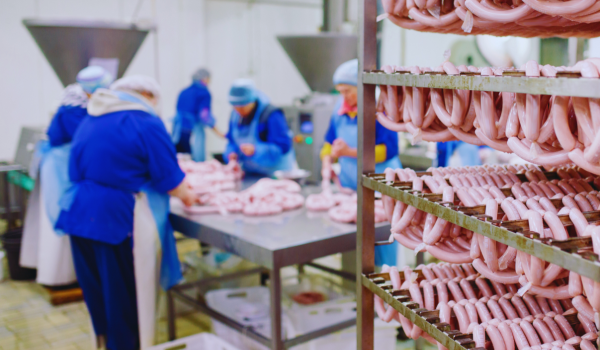
The plan does not open the doors to everyone. The cabinet wants to reduce low-paid labor migration, especially in meat processing and logistics. Many of these workers come from central and eastern Europe. A ban on agency staff in the meat industry will begin in 2028, after years of reports about poor working conditions.
Tax advisor Meijburg says immigration rules are not getting more relaxed. In fact, the government wants stricter control over migration streams it sees as less useful, while making it easier for the workers it needs. Employers in AI, engineering, energy, and life sciences should pay close attention to the details.
What Happens Next?
The cabinet still needs to turn the strategy into actual rules. You can expect these changes to roll out over the next few months:
- An MBO Pact on training for future jobs
- Follow-up plans from universities of applied sciences and research universities
- A Lifelong Learning and Development approach
- A dedicated strategy for attracting international talent
- The skilled-worker pilot for tradespeople
A full progress report is expected by the end of 2026. Parliament will get updates in letters as things move forward.
The Bottom Line
If you work in tech, science, energy, or a skilled trade, the Netherlands wants you to stay. If you are a student, the country will not try to push you out anymore. The debate is not over, but the direction has clearly changed.
Capital Is Following the Same Sectors
The four sectors the cabinet is chasing, AI, security, climate tech, and life sciences, are also where a growing share of European venture capital is being deployed. Funds such as Ventures.eu, which sources deals through the Dealflow.eu platform’s network of 24,000+ EU-backed startups, are seeing demand from investors looking to back the same deep-tech and climate-tech companies the Netherlands is now trying to staff. For skilled workers weighing where to plant roots, it’s a sign the funding and the jobs may be moving in the same direction.