
Navigating the Performance Improvement Plan (PIP): An Expat’s Survival Guide
Categories: career & jobs,Latest News,Legal
The Netherlands is a great place to come to work and live. It consistently ranks for quality of life, excellent infrastructure, and a thriving job market. But what if the job you moved here for doesn’t pan out? In such situations, many expats find themselves on a Performance Improvement Plan, or PIP. The risks are high; a PIP could be the start of a dismissal, which could affect your residence permit and your residency. But don’t panic yet. It’s not a death sentence to your career. Let’s break down what a PIP is, how it works, and most importantly, how to protect yourself.

What Is a PIP?
A PIP is a formal, written document provided by an employer when an employee’s performance is deemed below par. It lists areas for improvement, objectives, and timeframes, and explains how progress will be measured. Interestingly, a PIP holds no legal authority. There is no regulation mandating an employee to comply with a PIP, nor is there a requirement for an employer to implement one. Always question whether a PIP is the best course of action—sometimes, a constructive conversation may be all that’s needed to resolve the issue.
Typically, from the employer’s perspective, there are concerns about the employee’s performance. In such cases, a PIP acts as a roadmap to address and improve those areas.
The goal of a PIP should be to provide both the employer and employee with a framework for how they plan to work together moving forward.

Why Employers Use PIPs
Employers usually create PIPs for one of two reasons. The first is sincere support and retention. If a manager recognizes your potential while also perceiving barriers, a PIP can serve as a structured means to help you succeed by setting clear milestones to overcome them. The second could be to build a case for dismissal.
Dutch law makes it difficult to terminate an employee simply due to poor performance unless the employer has demonstrated that they have made efforts to aid the employee in improving. With the added stress of a PIP, some employees resign before completing it, thereby saving the company the burden of a legal termination.
PIP Best Practices – Discussed First
Thankfully, Dutch law ‘favors’ employees. Under the principle of being a good employer, the following requirements must be observed: First, an explanation is needed as to why the performance is, by all standards, insufficient. Prior feedback should have been given.
A PIP should always be discussed before being made, ensuring the employee understands the performance concerns. Never agree to a PIP presented to you without prior discussion.
Concrete support, including on-the-job training, mentoring, or even additional resources, must be offered. If, despite giving fair chances, nothing seems to have changed, the employer could initiate the process of contract termination with the employee.
Fair Vs unfair PIPs
Fair PIPs serve as roadmaps toward success and therefore should include:
- Clear, Measurable Goals: Rather than, say, “be more proactive,” it will say, “Organize and lead the weekly project meeting with a clear agenda.”
- Realistic Time Frame: Around 3-6 months is the norm.
- Genuine Support: The company commits to providing training, resources, or coaching.
- Regular Check-ins: To measure progress and make any necessary changes
For an unfair PIP, be wary of:
- Vague Goals: “Improve your attitude.”
- Impossible Deadlines: You can expect massive changes in just a few weeks, and you will receive no support in doing so.
- Historical Criticisms: Going back to issues from months ago that they never mentioned before.

Illness and the Gatekeeper Improvement Act
If you get sick, the PIP immediately stops. Under the Gatekeeper Improvement Act (Wet verbetering poortwachter), an employer’s legal duties shift from performance management to reintegration. It means that while you are on sick leave, your employer cannot force you to meet PIP goals or attend meetings. Any conversation about your performance should cease until you are declared fit for work. In the event of an illness, the employer must pay out at least 70% of your wage for a maximum of two years (adjusted with respect to the minimum wage). The primary focus is on medical recovery and reintegration, not performance. If the reintegration is detrimental to your health, then discuss with the company doctor (“bedrijfsarts”), who can certify your sick leave and activate protections to safeguard your health and well-being.
Why Expats Face Special Risks
PIPs can be tricky for expats to navigate. For one, the Dutch are famous for direct feedback. An expat who lacks this insight might begin to overreact to the criticism. Language can be a challenge, even if English is the working language; some HR documents, such as contracts, policies, or PIPs, might be in Dutch or an interesting mix of the two. The key is to have the right to understand every word. Never sign a document you do not understand fully; obtain a translation or explanation in English. Having a lawyer review a document before signing it is good practice.
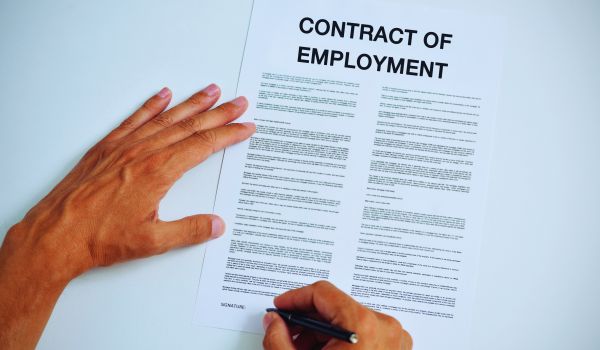
Permanent vs. Temporary Contracts
For permanent contracts, employers tend to rely on PIPs because Dutch law provides strong protection to employees, requiring the employer to have acted reasonably and given the employee a genuine chance to improve before the dismissal is granted.
Under temporary contracts, the dynamics are entirely different: with the end date nearing, many employers do not bother with PIPs and don’t renew the contract. However, if the end date is far away, an employer can use the PIP as part of a case for early termination or to bargain for mutual separation. For the employees, it means that they are still protected against unfair treatment. If you’re on a temporary contract and fall sick during a PIP, the employer is still obliged to pay you 70% of your wages until the contract expires.

What To Do In Case You Are Placed On A PIP You Feel is Unfair
It’s unfortunate that, in many cases, a PIP is not genuinely designed to support an employee’s improvement. Instead, some employers use it as evidence of the employee’s “poor” performance, potentially to justify filing for dismissal with the cantonal court. This highlights the importance of ensuring a PIP is clear, fair, and transparent!
Do not sign it without careful consideration. Ask for time to review the document, so you can assess whether the goals are fair, the timeline is realistic, and the support is concrete. Remember, there is no obligation to sign a Performance Improvement Plan, but engaging with your employer constructively is often important to show cooperation and protect your rights.
Next, find a Dutch employment lawyer for advice. Many lawyers offer an initial consultation, and they can advise whether the PIP is legally enforceable, if you may negotiate some changes, and what strategy you should consider.
In the meantime, start collecting evidence. Gather emails praising you, previous performance assessments, and any documents that discredit what is stated on the PIP. Record every meeting and send a follow-up email after each discussion, noting the key points that were agreed upon. Create an entire paper trail.
During the PIP, give the goals your best shot. The fact that you acted in good faith will serve you well down the line. Should you fall ill at any point, report that immediately to your employer and huisarts so that the PIP can be paused as required by law.
It’s also a good idea to have your Plan B ready. Update your resume, reconnect with your network, and begin exploring other options. Sometimes, moving on is healthiest for you. Numerous international companies hire for English-speaking roles.

If Dismissal Happens
If the employer decides that you did not fulfill the objectives of the Performance Improvement Plan, they still cannot just fire you. They will have to either apply to the cantonal court or the UWV, depending on the grounds. If a dismissal is granted, a transition payment (transitievergoeding) is usually payable to the employee. The formula is about one-third of a month’s pay per year of service.
More often, though, the employer prefers to avoid the formal dismissal notion and instead proposes a settlement agreement (vaststellingsovereenkomst).
This may be an opportunity to renegotiate certain aspects of an exit. For expats, this might include an agreement about continued salary and sponsorship for a few months while seeking new employment, along with a neutral or positive reference. Since your residence permit could depend on your continued employment, this is essential. It is important to check with the IND or an immigration lawyer.
A PIP can feel like a significant blow, but in the Netherlands, you have rights. View it as either a structured path forward in your current role or the first step toward a new and better chapter. Either way, it doesn’t have to be the end of your Dutch adventure, especially if you are an EU citizen or permanent resident.

Mediation And Mutual Separation
Sometimes, the real problem is not performance but a broken relationship between employee and manager. Conferring with an independent workplace mediator (arbeidsmediator) can help resolve the dispute and pave the way for avoiding dismissal. Dutch courts are often inclined to direct parties to mediation, and employers may also be persuaded to try it to save on legal costs. If all else fails and you find that the PIP is being used in bad faith, sometimes, a well-structured settlement can provide you with the financial cushion and legal space to move forward positively. Dutch employment law is a compromise between the interests of employers and employees.
A Performance Improvement Plan could seem like the end of the world, but you have some rights in the Netherlands. Think of it either as a structured way forward in your current role or the first step onto a new and better chapter. Either way, it doesn’t have to be the end of your Dutch adventure. If you have questions about your performance improvement plan, please contact FLOTT Advocaten.