
Things You Need to Do When Coming To Live in The Netherlands
Categories: Latest News
Moving to the Netherlands can be an adventure. However, there are practical steps to be made for a smooth settling-in. Whether you’re relocating to study or to work, it’s vital to know the steps to take to help you settle in smoothly and legally. From registration with the local municipality to setting up compulsory health insurance, this guide will walk you through this and provide other crucial advice on starting your new life in the Netherlands.
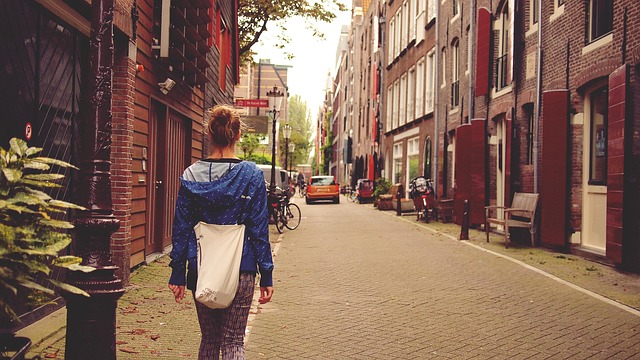
Getting Registered
Assuming you plan to stay in the Netherlands for more than 4 months, once you have landed, one of your main tasks is to register with the municipality (gemeente). This is an essential process, as it leads to you receiving your Citizen Service Number (BSN), which you will need for almost every other administrative process, including opening a bank account, obtaining health insurance, signing a rental contract, applying for a job, and interacting with the tax office. However, getting registered can be complex.
You need to have an address to get registered, however, most landlords want you to be already registered before giving you a rental contract. The Netherlands Authority for Consumers and Markets (ACM) states that landlords often ask for a BSN for credit checks and identity verification. The Dutch Tenants’ Union (Huurdersvereniging) notes that landlords frequently demand a BSN upfront, even though this creates a “catch-22” situation (requiring an address to obtain a BSN but needing a BSN to rent).
There are several ways to circumvent this:
Staying at an apartment hotel that allows you to register
When you first arrive, find an apartment hotel that allows you to use it as an address. As it is a hotel, it can be booked on an accommodation platform and therefore doesn’t require a rental contract or BSN.
Use your employer’s office address as a residential address
Ask your employer to use the office address as a residential address while you apply for a BSN. Using a commercial address as a residential address sometimes requires permission from the gemeente.
Ask a Dutch friend
If you’re lucky enough to know someone who lives in the Netherlands, you can ask them to use their address, or you can also temporarily use their address. However, using someone else’s address requires the primary resident to sign a declaration.
Once you have an address, book a registration meeting way in advance. It can take weeks or even months to get a registration appointment. Your first registration must always be done in person; ensure you have all the necessary documents. These generally include your:
- Passport (if necessary. If you’re an EU citizen, you can also use your ID card instead of a passport.
- Rental contract, or if you’re staying somewhere else, a declaration from the primary resident.
- Employment contract or proof of income.
Most municipalities offer online appointment booking, and many provide English instructions on their websites. Ask for English support: the Netherlands has the highest level of English proficiency in the world; it’s rare to find someone who doesn’t speak English well, but sometimes government staff are hesitant to give legal or administrative advice in English in case they get it wrong. So, to be safe, at the appointment, don’t hesitate to ask if there are any English-speaking staff. It is usual in offices in big cities or places with a heavy expat population to have municipal staff who speak English.
Check out your local rules, for example, these are for Amsterdam.
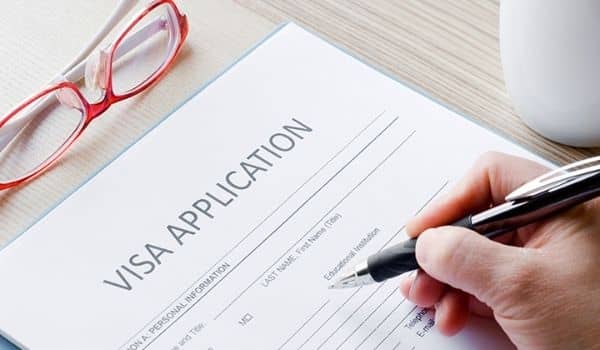
2. Getting a Permit or Visa
If you are a non-EU/EEA citizen and wish to stay longer than 90 days, a residence permit is required. The application procedure requires submitting documents, such as a valid passport, proof of income, health insurance, and relevant forms. Use official English resources. The IND (Immigration and Naturalization Service) website provides instructions in English for almost every permit type, along with step-by-step instructions for applying and downloadable forms.
Employer or University Support
If you are moving for work or study, your employer or university may handle a significant part of the paperwork or at least guide you.
Renewal Reminders
Usually, permits expire after one to five years. Set the reminder to renew on time to stay legal.

3. Get Health Insurance
Health insurance is mandatory for anybody residing or working in the Netherlands. You will need to obtain your basic Dutch health insurance (zorgverzekering) within four months of being registered by the municipality. Without it, you are open to fines, and no cover for your medical needs.
Covering essential services such as GP visits, hospital care, and medications prescribed by doctors with prescriptions, you can do an online comparison of policies and select a provider according to your needs.

4. Find a General Practitioner (Huisarts)
After you get health insurance, you then need to register with a local general practitioner (Huisarts). The huisarts is the first point of contact concerning most medical or health problems and referrals to specialists. Try to find one close to home and register. The sooner, the better.

5. Open a Dutch Bank Account
Opening a Dutch bank account will ease the management of your finances, right from paying rent and receiving your salary to everyday expenses. A bank will require your BSN and proof of address to open an account for you.
Popular banks include ING, ABN AMRO, Rabobank, and bunq (which is app-based). Most banks provide services in English and offer online banking.
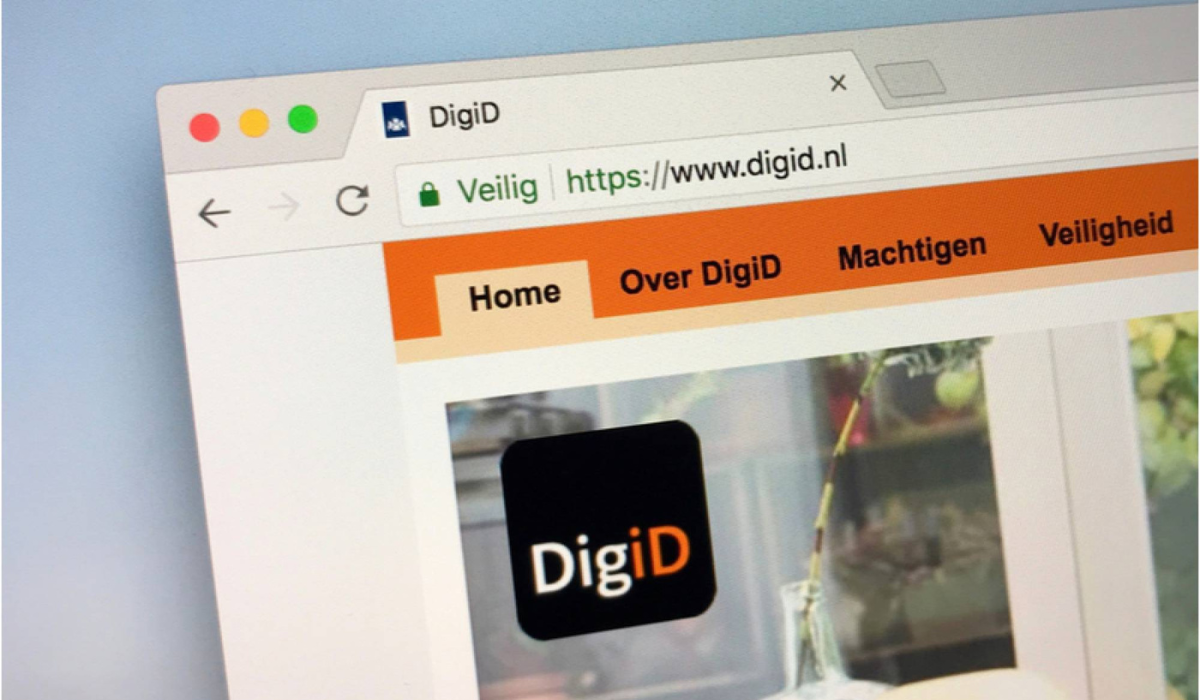
6. Apply for DigiD
DigiD is your digital identity to access Dutch government websites and services online, such as tax returns, health, and municipal information. You can apply for DigiD after you have your BSN and registered address.
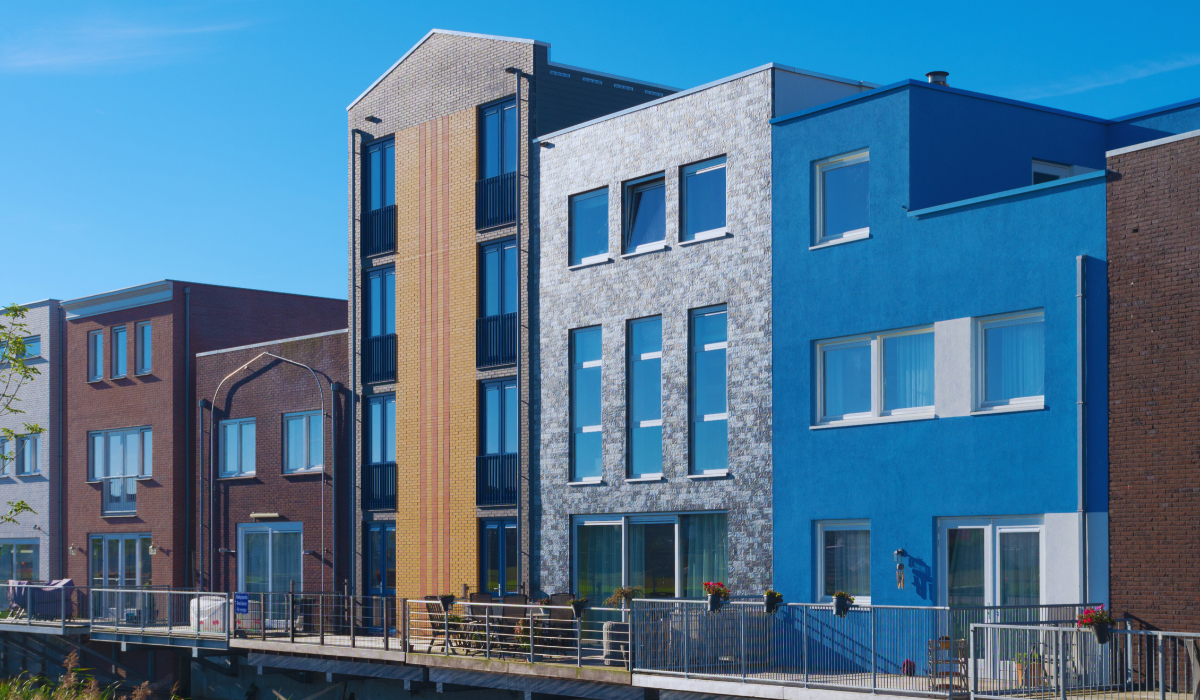
7. Search for Housing Suitable for You
The Dutch housing market can be very competitive and unfriendly, especially in big cities such as Amsterdam, Utrecht, and Rotterdam. The rental prices have been on the rise, with demand often holding sway over supply.
When searching for housing, consider:
- Serviced apartments or short-term rental so you have time to look for a long-term home.
- Registering with the housing corporations or trusted rental websites.
- Have your documents, references, and proof of income ready to fast-track your application.

8. Register Your Vehicle (If Applicable)
Should you bring along a car, you may have to register it with the RDW (vehicle authority in the Netherlands) and satisfy Dutch road regulations. Check the rules for importing vehicles and taxes.
Some processes, such as to register with the municipality, can take weeks, so plan ahead accordingly. Keep copies of all documents, as you’ll need them for various registrations and applications. Don’t be afraid to ask for help. Many municipalities have expat desks or support services to guide you. Lastly, stay informed. Rules and procedures are subject to change, so it’s essential to check official websites regularly. Moving to the Netherlands is a rewarding experience, and by following these steps, you’ll be well on your way to feeling at home in your new country.