
Why the Dutch Economy is the Global Gold Standard for Stability
Categories: Finance,Latest News,News from the Netherlands
It is hard not to doomscroll the news or social media these days, given the challenges the world is facing and the resulting energy crisis. However, if you’re fortunate enough to live in the Netherlands, you may be shielded somewhat from some of its worst aspects. The country’s choice of where to do its energy shopping (compared to some nations) is just one reason for this. But there are more… Read on to see why the Dutch economy is every bit as resilient as the people who dwell in it.

The Diagnoses are Good
According to a recent report from ABN AMRO, the Netherlands’ capacity to withstand “a hit” is greater than that of many other countries. Aside from being a haven for international talent, their families, and firms seeking a secure future, the country is somewhat of an economic fortress.

The Secret Is In Dutch Energy Independence
Recent worldwide conflicts have demonstrated the Netherlands’ independence in the field of energy. There are many Asian countries, and even some in the EU, that rely on the Middle East region for oil, to their detriment. Over the last 20 years, the Dutch way has been to go down another route. And the results have become clear as of early March 2026: only 10% of the Netherlands’ oil imports still come from the Gulf. The Netherlands has gradually diversified its sources to include the U.S., Norway, and Kazakhstan, a strategy that has paid off in emergencies as regional drama unfolds.
But the actual magic isn’t just about who the Netherlands buys oil from; it’s about the massive investment in infrastructure that will eventually make it need little to no oil at all. Renewables supplied about 49%–57% of the Netherlands’ electricity in 2025 (depending on which source you look at).
Highest Solar Capacity Per Capita in Europe
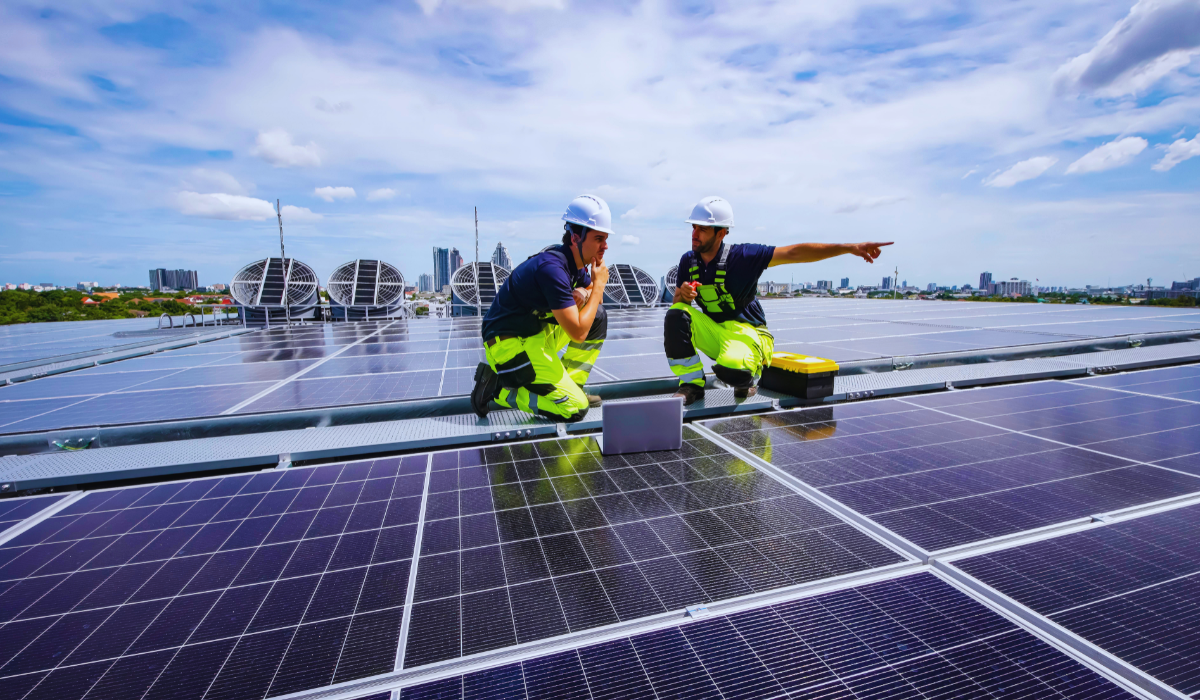
Ranking first in Europe and second in the world for solar capacity (behind only Australia), the Netherlands has a solar power capacity of 1,350 watts per capita. Quite impressive for a country with particularly frequent bad weather. They even outdo sunny Spain. This is no accident. It has come about through subsidies, solar panel use (30% of buildings have them), and smart land use, such as reservoirs with floating solar panel parks. In fact, solar alone gave the country a big nudge to become a leading electricity exporter in 2026, showing that you don’t need a giant barren desert to be a world leader in solar energy.
Exporter of Wind Power
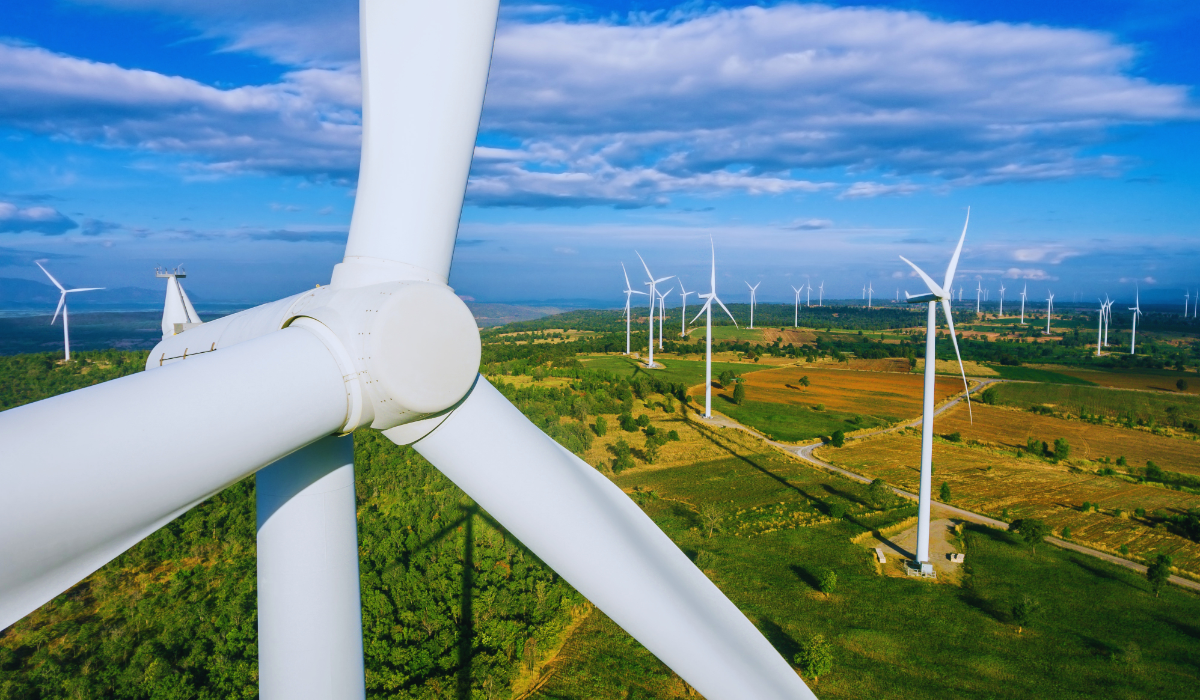
Dutch wind capacity is estimated at around 12–15 GW as of 2025. This puts it on track to meet its 21 GW offshore target by 2030 and makes it the top exporter to its neighbors, in part due to lower wind output than Germany and some nuclear issues in Belgium. All this adds up to a country that will not just avoid the issue of oil price hikes but also thrive by powering large parts of Europe. Great news indeed.
Sadly, the rest of the world hasn’t taken to this initiative quite so well. The recent dismantling of a deal between TotalEnergies and the United States to build an offshore wind farm on the East Coast is a testament to this. This may also signal more broadly the U.S.’s intention to encourage LNG and fossil fuel projects still.
What Makes the Netherlands So Unique?
Of all the countries around the world, the fuel scarcity of recent times has left the Philippines hanging precariously. Nearly 98 percent of all crude oil imported by the Philippines is from the Persian Gulf. So, this nation is highly exposed to supply shocks from the Middle East. Those folks have declared a National Energy Emergency. In contrast, the Netherlands has seen a limited impact. ABN AMRO economists have corrected their 2026 growth forecast of the Dutch economy by a tiny margin, lowering it from 1.6% to 1.5%.
The Dutch Love to Save
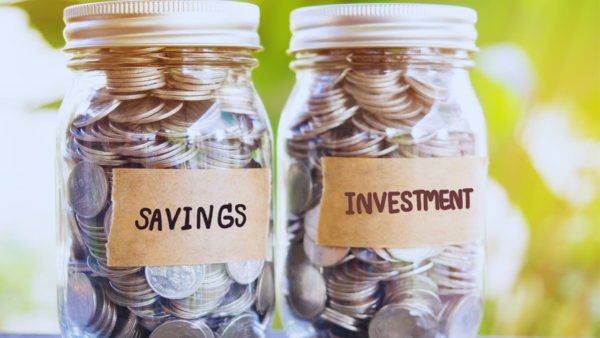
A significant pillar of this strength is the remarkable savings culture ingrained in Dutch society. As of early 2026, Dutch households have maintained a massive financial buffer. The average household holds approximately €54,700 in cash savings, with a median balance of €21,500. Great for the Dutch economy.
Because residents typically set aside 10% to 17% of their disposable income, the typical family has the liquidity to maintain their lifestyle without the debt reliance seen in other markets. For expats, this means a stable consumer environment where your neighbors aren’t living paycheck to paycheck.

Job Security and Fixed Price Dutch Energy Contracts
For professionals, the local job market offers another massive perk. As of February 2026, the national unemployment rate sits at an incredibly low 4.1%, way below the European average. This means high demand for talent in tech, healthcare, and green energy, providing a level of job security that is rare on the global stage.
Furthermore, if you live here, you benefit from structural protections like fixed-price energy contracts. Currently, 53% of Dutch households are cushioned by these agreements, shielding them from sudden spikes in global prices. Dutch energy companies absorb costs, so consumers can gradually adjust rather than suffer an overnight shock to their monthly budgets.
Looking Ahead
Among other countries, the Dutch economy is not just surviving but also leading the global energy shift through smart investments and a focus on sustainability. If you are residing in the Netherlands or planning your relocation, it’s the best place to dig in and move on; one that’s genuinely stable and future-minded.