
Say Goodbye to Your Old Dutch Debit Card
Categories: Finance,Latest News,News from the Netherlands
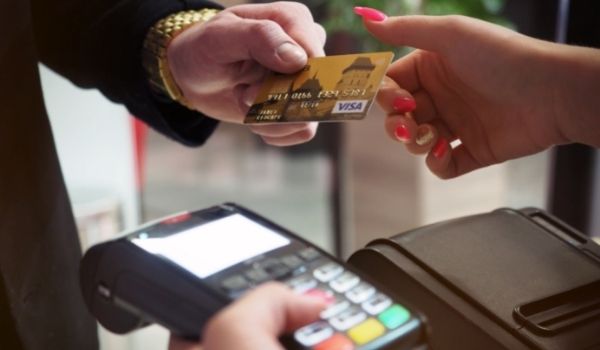
All major Dutch banks are replacing Maestro and V PAY debit cards. They are sending out new Debit Mastercard and Visa Debit cards instead. You might be wondering why this is happening. Let us look at what these new cards mean for your wallet.
Why Your Bank is Changing Your Card
For a long time, the Netherlands was an outlier in Europe. Many local shops only accepted Maestro or V PAY. This caused headaches for visitors from places like Germany or Belgium. Tourists often found their Visa or Mastercard debit cards rejected at the cash register. They had to run to an ATM and pay with cash.
Most other European countries had already moved to the Visa and Mastercard systems. The old Dutch system was holding things back. It made everyday shopping harder for visitors and expats.
By switching to these new cards, Dutch banks are fixing this problem. They are aligning their payment systems with those used in the rest of Europe. This makes buying things easier for everyone in the country.

What the New Cards Give You
The new cards bring a lot of fresh perks to your daily life. They open up new ways to spend your money safely.
Shop Anywhere You Want
The biggest benefit is that you can use your new card worldwide. You can pay wherever Visa and Mastercard are accepted. This works in physical stores worldwide. It also works for foreign online stores. You no longer need a separate credit card to buy from an overseas website.
Familiar Details
Your new card looks a bit different. It now has a 16-digit card number. It also has an expiry date and a security code. This security code is known as a CVC (card verification code) or CVV (card verification value).
You can use these details to shop online like you would with a typical international debit card. You type in the card number, expiry date, and security code at checkout. You skip the extra redirect steps you might be used to.
Extra Security Features
The new cards keep your money safe. They use a token system for online shopping. This means they use digital tokens instead of storing your real card data online. This setup has cut fraud in European online payments by half.
For most banks, the CVC code is on the back of the card. But ING does things a bit differently. For ING customers, this security code is not printed on the plastic card at all. You can only see the code inside the ING banking app.
When you shop in a physical store, things stay the same. You still enter your PIN. For online payments, you should confirm the purchase in your bank app.

When Will You Get Your New Card?
You do not need to call your bank to request a new card. The bank will send it to you on its own. They usually mail it when your current card is about to expire. Over 30 million Dutch cards will be replaced. The goal is to finish this huge task by the end of 2028.
Here is the rollout timeline for the main Dutch banks:
Rabobank
Rabobank began giving out the new cards in 2024. They are replacing them as old cards expire.
ING
ING began replacing cards that were nearing expiration in November 2025. They expect most customers to have their new cards by the end of 2026.
ABN AMRO
ABN AMRO began its rollout in the middle of 2025. They have replaced just over 10 percent of their cards so far. The bank hopes to speed up this process soon.
ASN Bank
ASN Bank has already given new cards to about 418,000 customers. They have around 3 million customers. They plan to finish their rollout by the first of October 2026.
Triodos Bank and Knab
If you bank with Triodos or Knab, you are already done. These banks have sent the new cards to all their customers.

Limits and Protections
While these new cards are great, they do have a few limits. It is important to know what your card can and cannot do.
This is Not a Credit Card
First, remember that these are debit cards. They are not credit cards. They take money directly from your linked bank account. They do not give you a line of credit.
Because they are debit cards, they lack some of the perks of credit cards. They do not give you purchase insurance. Many credit cards give you 180 days of protection against loss or theft. Your new debit card will not do this.
You can use the new cards for things like car rental deposits. You can also set up recurring payments. But ABN AMRO notes that recurring payments are different from automatic debits. Automatic debits still need your prior consent to pull money from your account.
Better Online Protection
You do get some new safety nets for online shopping. Purchases made with the new cards are covered by a chargeback system.
If you buy goods online and they never arrive, you can dispute the charge. The bank can help you get your money back. Just remember that this chargeback protection does not cover iDEAL payments.

Saying Goodbye to iDEAL
The new cards are not the only change to Dutch banking. The popular iDEAL online payment system is also set to go away soon.
For two decades, iDEAL has been the standard for online payments in the Netherlands. You pick your bank at checkout and confirm the payment in your app. But things are changing.
The Dutch system is switching to Wero. Wero is a European payment platform. The Wero rollout begins in 2026. Experts expect iDEAL to be fully phased out by the end of 2027.
These updates are all part of a larger plan. Both the new debit cards and the shift to Wero serve the same purpose. They align the Dutch payment network with the rest of Europe. They make buying and selling much easier for everyone.
Keep an eye on your mailbox. Your new and improved debit card will be arriving soon!