
The History of Oliebollen: Origins, Legends, and Dutch New Year’s Tradition
Categories: Culture,Food and Drinks,Holidays,Latest News
The history of oliebollen runs through Dutch winter life like a warm street-food scent. For such a delectable treat, the name could use some work. The word literally translates to “oil balls”. Though at the end of the day, they are really just Dutch doughnuts with a history as rich as they are!

What are Oliebollen?
These little fried pastries are characterized by the powdered sugar on top and their distinct lack of a doughnut hole! That’s right, no missing pieces in this treat. They are also commonly enjoyed with raisins, currants, or apples in them. The debate between plain oliebollen and olliebollen with raisins can get surprisingly passionate!
Ingredients and how they’re made
They are made by scooping out a dollop of dough made from flour, yeast, salt, milk, baking powder, and eggs (sorry, vegans!). The dough is then fried to perfection, remaining soft and chewy on the inside and golden brown on the outside. You can easily make them yourself at home! Albert Heijn even sells their own oliebollen mix.
International cousins: Are oliebollen doughnuts?
Oliebollen belong to a larger family of fried dough treats worldwide. Their close relatives include:
- Belgian smoutebollen
- French beignets
- Italian zeppole
- American doughnut holes
The Origins and History of Oliebollen
In fact, Dutch settlers are believed to have brought early versions of oliekoeken (oil cakes) to New York in the 17th century. Some historians suggest these early fried dough balls may have influenced the development of the modern American doughnut! So though they are not the same, they certainly share a common ancestor.
Folklore and origin stories (Yule, Perchta, Hanukkah)
The history of oliebollen may never be known for sure, but there is certainly a lot of folklore surrounding it. As one story goes, heathen Germanic tribes in the Netherlands were said to have enjoyed them during the pagan Yule festival. Of course, back then, they were boiled in lard instead of vegetable oil.
Austro-German legends swear the oliebollen protected people from the violent hands of the goddess Perchta.
The goddess supposedly used a blade to disembowel people, unless they were shielded by the pastry. The oily treat supposedly caused her sword to slide off. Another tale says they were introduced to the Netherlands by Portuguese Jewish immigrants during Hanukkah celebrations.
Early appearances in art and dictionaries
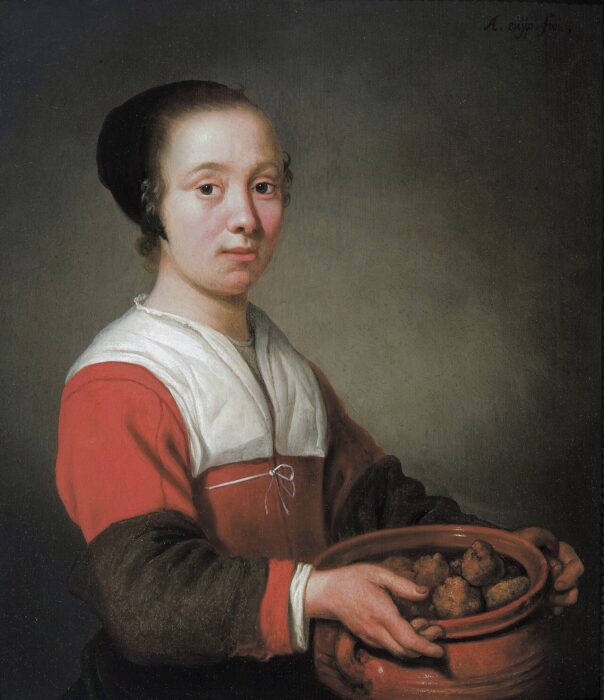
The earliest written record in the history of oliebollen is from a cookbook called De Verstandige Kock (The Sensible Cook) from 1667. A few decades before, in 1652, the oil balls made a cameo in an oil painting by Albert Cuyp! They finally made their literary debut in the 1868 edition of the Van Dale dictionary.
Why Oliebollen Are a Dutch New Year’s Eve Tradition
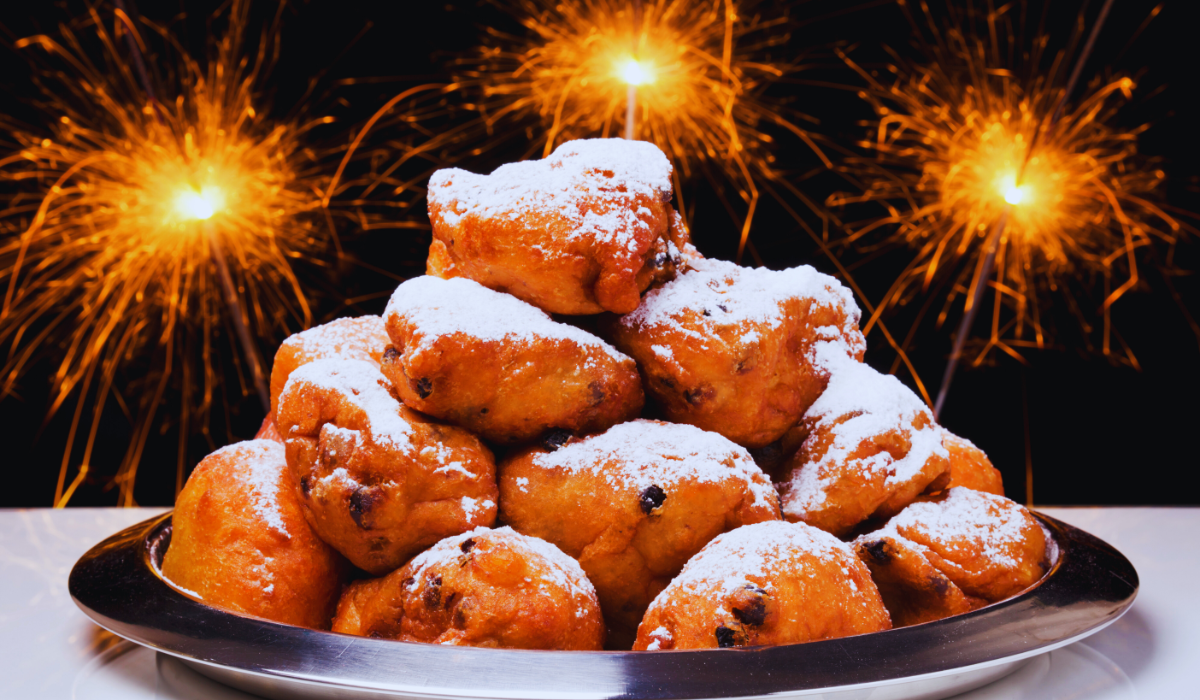
Making Oliebollen for New Year’s Eve is a longstanding Dutch tradition. Oliebollen represent celebration, community, and comfort during the holidays. In the Middle Ages, fat and calories helped people survive the freezing months. Holding the warm pastry was also a delicious way to warm up your cold hands.
Oliebollenkramen (seasonal stalls)
Nowadays, Dutch families make them at home and enjoy them while watching the fireworks. If you’re not so handy in the kitchen, oliebollenkramen (oliebollen stalls) are a seasonal winter tradition. Stalls open up shop as early as October and typically run through January.
After Covid, the popularity of oliebollen stalls surged. This is because their street food business model operated well under the pandemic constraints. There are 38% more oliebollen stalls now than there were in 2013, according to the Dutch Chamber of Commerce. The latest reports showed that there were 1,200 oliebollen stalls operating in the Netherlands in 2025! The majority of the stalls exist in the Dutch province of Gelderland.
The Famous Oliebollen Taste Test
For years, Dutch newspapers famously organized annual oliebollen taste tests, ranking stalls across the country. Vendors took these rankings very seriously. A high score could mean massive lines, while a low score could hurt business. Though controversial at times, these tests became part of the national conversation every December.
The most official contest in the Dutch newspaper Algemeen Dagblad ended in 2018. Readers criticised a lack of objectivity and an unnecessarily harsh tone. Olliebollen lovers still share their opinions on the best stalls and flavors online.

Modern Flavors and Viral Trends
The rise of social media begat a new generation of oliebollen. Stalls offer exciting new flavors every year. In 2023, there was a rise in the tampouce oliebol, named for the fellow Dutch pastry that inspired it. This version is filled with custard cream and topped with a signature pink icing. Two years ago, we saw the advent of the Dubai oliebol. This bestseller features delicious pistachio cream and milk chocolate. Last year introduced the spicy, chilli cheese oliebol.
This viral sensation began as a spontaneous joke from oliebollen baker Anneke Eckelboom of Oss. This version is filled with melted cheese, sprinkled with grated cheese, and then topped with a crunchy chilli oil for a finishing touch, giving it notes of toasties or pizza! TikTok followers raved about this oliebol. Some were even willing to drive hours to try this hot take.
Oliebollen have always been made sweet, but as we have learned from the Dutch, pancakes can be enjoyed savory as well! In addition to the chilli cheese oliebollen, creme brulee flavors popped up this year, and even Labubu-themed pastries. For a food that has been around since the Middle Ages, it looks like we really can teach an old Dutch snack new tricks.