
Why Your Dutch Water Bill Could Totally Change
Categories: Housing,Latest News,News from the Netherlands
The Netherlands has been battling the water for some time now. But for this almost entirely water-infested nation, with enviable protocols for flooding, the country would now seem to realise that drinking water might actually be a thing of the future. On the last day of April in 2026, the Environmental and Infrastructure Advisory Board (RLI) issued an alarmingly stark report, pointing to unprecedented stress on the Dutch freshwater system. This might significantly change the way water is managed, priced, and consumed for an international audience living in the Netherlands in the coming years.

Under Pressure
It seems odd that a country that is built on water could run out of it, but the RLI report places considerable emphasis on the current constraints on the country’s freshwater resources. Climate change, increasing pollution, and very rapid population growth are all playing a part. While the country appears generally water-rich, its freshwater sources—groundwater, rivers, and lakes—are becoming more vulnerable. Rising temperatures gut the natural replenishment of these sources, while rising water scarcity does not help. Soon we may be querying, “Can you drink tap water in the Netherlands?”
Hidden Pressure on the Water Supply
The nation’s consumption of clean drinking water is outpacing infrastructure development. In other words, there are too many of us. The country is very densely populated, and Dutch water use is conservatively estimated at 128% of the world average, higher than that of surrounding peer countries. The system cannot keep up.
A National Strategy To Prevent National Catastrophe
The RLI has emphasized that individual water companies are simply unable to resolve these system-wide issues. The Council for the Environment, in its report on how to ensure affordable and clean water, avoids quick fixes, focusing instead on a long-term financial framework to ensure a supply chain that will withstand various natural and other adversities. It also calls for the national government not only to be involved but also to hold a financial stake in all drinking water companies. A financial stake would enable significantly larger investments in securing safe water and developing new extraction methods.
What This Means For Expats: Higher Charges and Conservation
Residents may no longer enjoy the period of “cheap and abundant” water. The Dutch use relatively high amounts of water while paying some of the lowest tariffs in Europe, according to RLI. Those days may be ending, however…
Two years ago, the government set a target for citizens to use only 100 liters per day (down from an average of 134 liters per day). However, these voluntary measures have not been very successful. The council recommends introducing the following adjustments:
- Increasing Tariffs: Expect greater base rates. It was agreed that increased water tariffs will result in more accurate charges for consumers, reflecting the full cost of production and conservation.
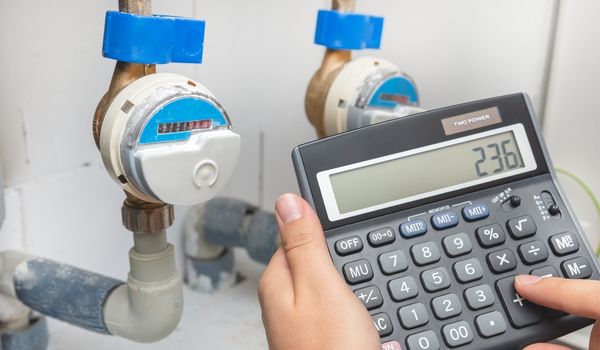
- Mandatory Metering: The council was in favor of installing water meters in all houses. This will ensure accurate billing and promote responsibility.
- Tiered Pricing: Individuals who use more water than the recommended conservation levels should face increasing rates as opposed to those who are within the limit. Basically, the more water you use, the more expensive each extra drop becomes.
The Critical Window
The current situation underscores that this RLI’s warning is plausible, raising the question of how serious the previous water-conservation warnings were. RIVM, the public health agency, estimated in 2023 that all 10 water companies in the Netherlands would face shortages by 2030.
As the powers begin to ponder these recommendations, it would appear that the “polder model” of consensual style governance is under test. The coming years may be about many mindful changes (possibly rerouted into a newly expensive relationship with the water coming into their taps) to avoid asking, “Can you drink tap water in the Netherlands?” and to reach some sort of agreement with the ordinary populace.