
The Expat’s Guide to Dutch Property Taxes in 2026
Categories: Latest News,Legal,News from the Netherlands,Tax
Many expats endlessly scroll through Funda, seeking out the perfect home. But once you find that dream spot, Dutch property tax realities quickly set in.
To help you navigate this financial landscape, we broke down the key Dutch property tax types you need to know for 2026. To keep things simple, we will use a theoretical €400,000 property as our baseline.
The Transfer Tax (Overdrachtsbelasting)
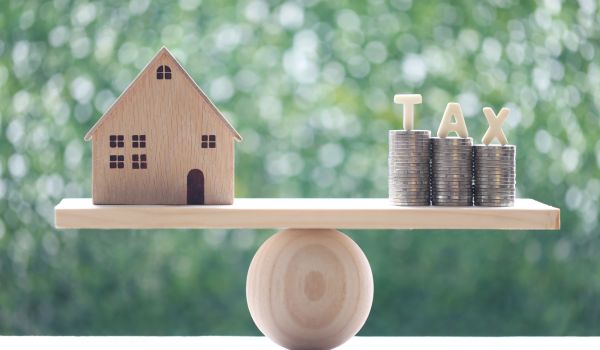
First on your journey to homeownership is the transfer tax. This is a fee the government collects when a property changes hands. So, if you buy a €400,000 home as your primary residence in 2026, the standard tax rate is 2%. That means you owe the tax office exactly €8,000. It is vital to remember that this money falls under the “buyer’s costs” (kosten koper). You typically cannot finance this through your mortgage. You must have that €8,000 ready in your bank account for the notary to process the transaction.

The First-Time Buyer Exemption
The Dutch government offers a massive break for younger first-time buyers. If you are between 18 and 35 and buy a property under €555,000, you might be eligible for a one-time exemption. This brings your transfer tax down to 0%.
For our €400,000 example home, you save instantly €8,000. However, if the property price exceeds the 2026 limit of €555,000, or if you turn 36 before getting the keys, you lose this exemption entirely and must pay the standard 2%.
Buying New Construction (VAT)
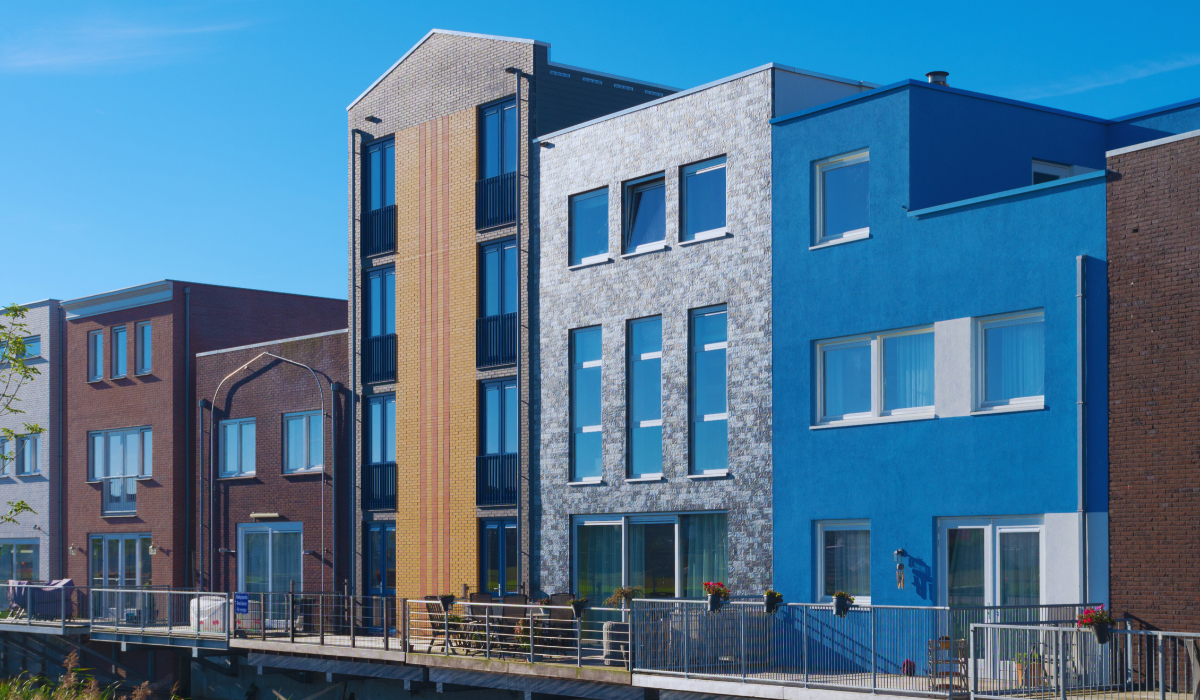
If you prefer the smell of fresh paint and want to buy a brand-new home directly from a developer, the rules change. You do not pay the standard transfer tax. Instead, the price is subject to 21% VAT (Belasting Toegevoegde Waarde).
When you see a new-build house advertised for €400,000 vrij op naam (free in name), the tax is already baked in. In this case, the actual tax included in that price is just over €69,000. While you technically pay much more tax on a new build than on an existing home, developers include it in the purchase price. This means you can finance it through your mortgage, drastically lowering the upfront cash you need to bring to the table.
Investors and Second Homes
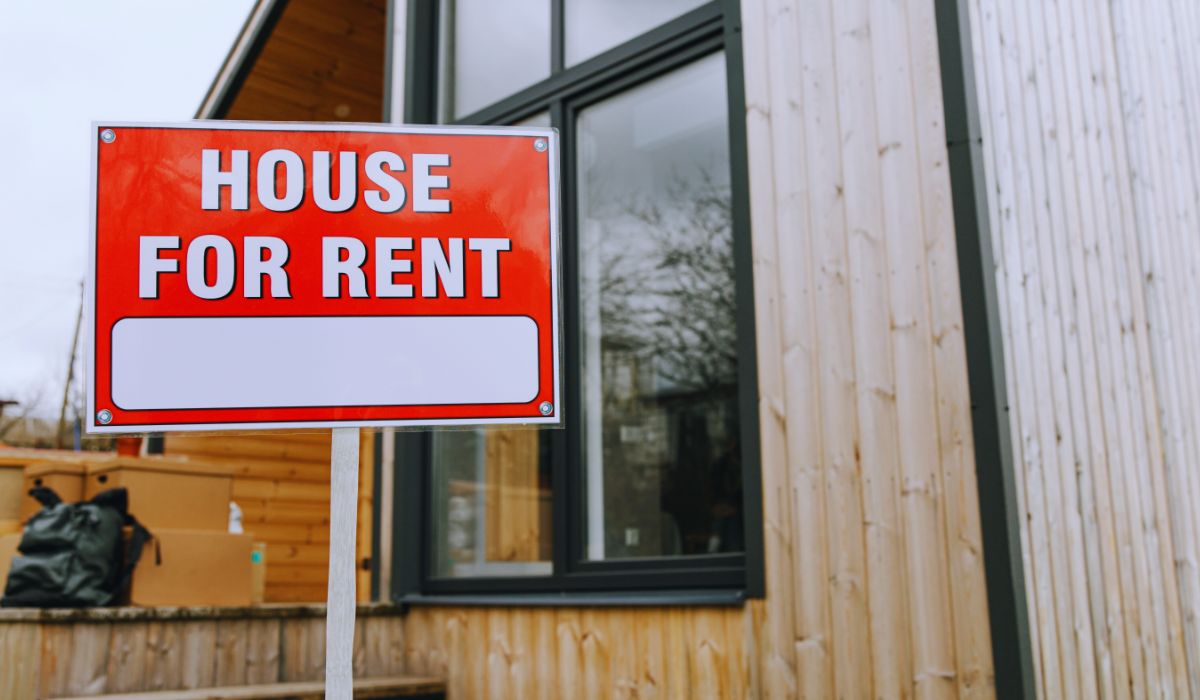
The Dutch government wants homes lived in by owners, not turned into assets. If you buy a property as an investment or a second home, you face a much heavier tax burden. In 2026, the transfer tax on non-primary residences is 8%. If you purchase our theoretical €400,000 property as a rental, you owe a staggering €32,000 in upfront tax. The transfer tax is 10.4% on investment properties (buy‑to‑let), commercial buildings, and other non‑residential assets.
The Annual Property Tax (Residential OZB)
You moved in, recycled your moving boxes, and bought your spatulas from HEMA. Now you have to budget for the annual Onroerendezaakbelasting, commonly known as OZB, or annual property tax.
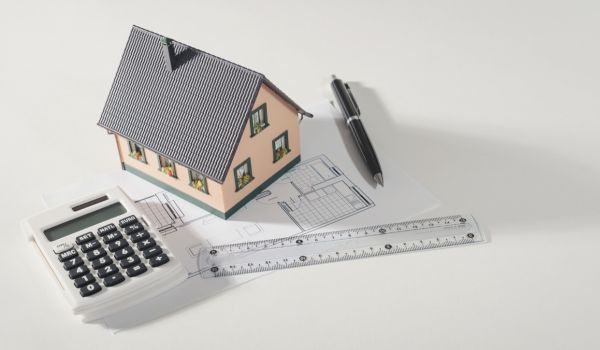
This is a municipal tax based on a percentage of your property’s value. The government sets this figure, known as the WOZ value, based on market estimates from January 1 of the previous year. In a rising market, your WOZ value will almost always sit lower than what you actually paid.
For our €400,000 property, the municipality might set a WOZ value of €360,000. The tax rate depends on where you live. For example, the residential OZB rate for 2026 ranges from just 0.0757% in Schiedam to 0.1085% in Vlaardingen. Amsterdam uses a 0.0527% rate for 2026. This makes your annual tax bill roughly €189.72. It is a recurring expense that helps fund the pristine cycling paths and trash collection services you enjoy every day.
The Box 3 Landlord Wealth Tax
The Dutch tax system treats real estate as a wealth asset under Box 3. If your home is your primary residence, the government generally exempts it from this tax. The situation changes drastically if the house is a second property or a rental. For 2026, the tax office assumes your investment properties generate a 6% return and taxes that fictitious profit at 36%.
Let’s look at our theoretical rental property with a WOZ value of €360,000. The government assumes a “profit” of €21,600. They then apply the 36% tax rate, leaving you with an annual wealth tax bill of €7,776. Keep in mind that you get a tax-free threshold (heffingvrij vermogen). In 2026, this sits at €59,357 per person (or €118,714 for fiscal partners). You only pay the Box 3 tax on assets that exceed this amount. This calculation highlights exactly why many international residents choose to focus on their primary home rather than building a rental portfolio. Box 3 can get complicated quickly, so we highly recommend speaking with an accountant if you plan to invest.
Commercial Dutch Property Tax
If your ambitions extend beyond a cozy living room to owning an office or a workshop, the tax landscape shifts into an even higher gear. For non-residential properties in 2026, the transfer tax sits at a steep 10.4%. Buying a €400,000 commercial space hits you with an immediate €41,600 tax bill.
The annual commercial OZB also works differently. It splits into two parts: an owner’s tax and a user’s (tenant’s) tax. Local municipalities set these rates, and they vary wildly across the country. Aa en Hunze in the North of the Netherlands has the lowest owner rate, the owner pays 0.2103% (€757.08), and the user pays 0.0983% (€353.88). If you both own the building and use it yourself, you pay € 1,110.96.
Compare that to Vlaardingen, which has the highest owner rate; the owner pays a much higher rate of 0.8311% (€2,991.96), but critically, the user portion is set to 0%. So if you own the building, you pay €2,991.96, even if you rent it out to a tenant, while the tenant pays nothing.
Take the Next Step
The Dutch property tax system looks like a dense forest of difficult words, but the math remains highly predictable once you know your status. Knowing these numbers beforehand is your best tool for a stress-free move.
Because these rules change and individual situations, such as the 30% ruling, influence your overall burden, you need the right advice. We highly recommend attending the Buying Your First House in the Netherlands seminar on March 26, 2026. Ensure you secure your spot by registering today!