
The Dutch Birthday Circle: A Social Ritual Explained
Categories: Culture,Latest News
If you’ve been in the Netherlands a while now, you’ll have heard of the social phenomenon that is the Dutch birthday circle, that famous rite of passage into Dutch culture. Surprisingly, the Dutch birthday circle is just that – a circle. But a circle of what I hear you ask? And what does it have to do with a birthday? Well, pull up a chair (in a circle, of course), and we’ll unravel the mystery.

What exactly is the Dutch Birthday Circle?
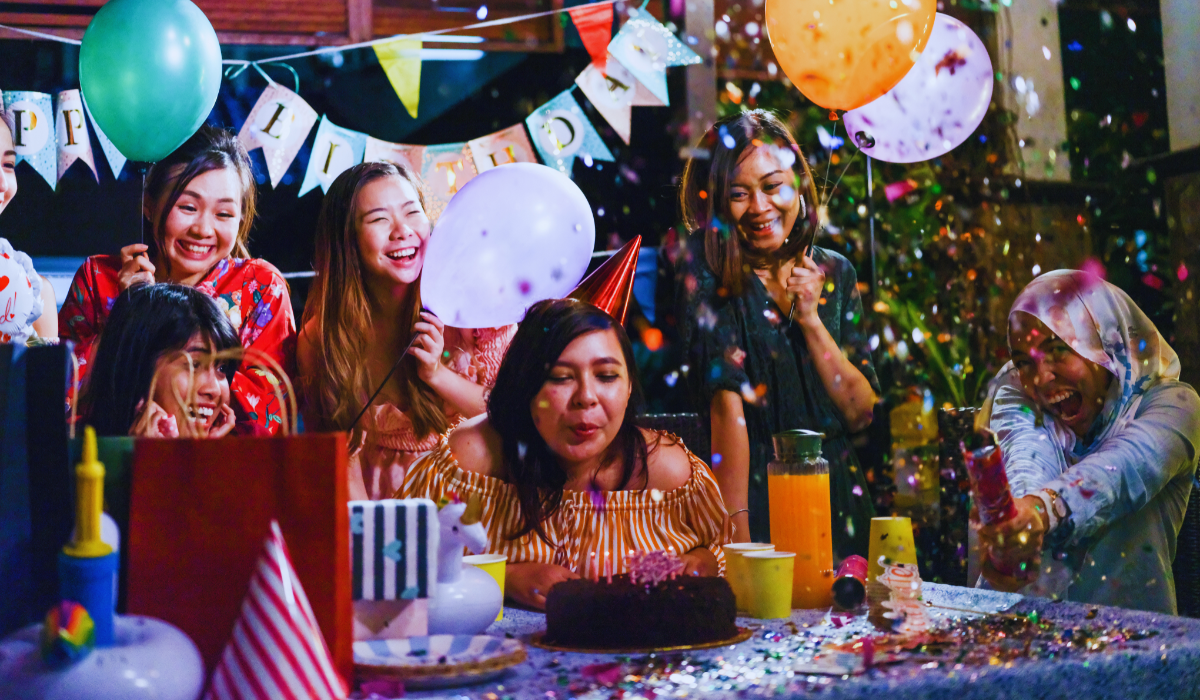
Basically, a Dutch birthday circle—known as a kringverjaardagg—is a party on someone’s birthday where guests sit in a circle (there’s that part explained then), where they eat, drink, chat, and be merry. Where chairs and stools have run out, makeshift stools will be found to complete the circle and the fun. Neighbors’ doors will be knocked on, the garden shed raided, and cushions will be piled up to include everyone. No one is left out of the said circle.
The Congratulations Ritual
Far from being just about sitting, the birthday circle centers on congratulating. Arrivees are expected to meet ‘n’ greet with everyone in the room, not just the birthday boy or girl. As the room is filled with people, so will the shouts of “Gefeliciteerd!” (meaning Congratulations!). This is irrespective of the closeness between the celebrant and the partygoer. A friend of a friend, an old school chum, or a relative. It doesn’t matter!
This can be a bit baffling for a newcomer, and you’d be forgiven for thinking that “Gefeliciteerd” means something else. But for the Dutch, this is how they recognize the interconnectedness of their social circle. Part of the congratulations ritual is saying congratulations to family members for their relationship with the birthday person, friends for being friends, and neighbors for proximity. The celebration is for everyone, regardless of how tenuous their connection may be.
Why a Circle?
For people in the Netherlands, the circle is the ultimate gesture of inclusivity and gezelligheid—a word meaning coziness and warmth. There is no exclusion; everybody can see one another and interact with one another. The arrangement facilitates a group conversation and helps even the shyest guest remain part of the action.
The Role of the Host
If you consider the birthday person the guest of honor, think again. During the Dutch circle party, the host is essentially the chief caterer, server, and sometimes even the entertainment. The birthday boy or girl provides for the cake (usually made at home or brought from a bakery), offers drinks, and attends to the needs of the guests. You may often find the celebrant walking around, refilling coffee cups and slicing cake, while the guests remain seated in their circle.
The Gift Exchange
Gift-giving is painfully straightforward. Guests present a gift upon entering, and the proprietor opens it immediately. Now, nobody wants to say, “I will open it later.” Everyone watches the present being opened with sometimes awkward, sometimes endearing reactions. It is a moment of community sharing.
The Birthday Calendar: Never Forget
Wonder into a Dutch bathroom and you may come across a strange instrument: a Birthday Calendar. This is not just a quirky piece of décor; it is a very important social instrument. It ensures that no birthday will ever be forgotten and that the congratulatory circle will not be broken again throughout the year. This is a testament to the significant position occupied by birthdays, and then, by the circle of birthdays, in Dutch social life.
The Children’s Circle Party
If you think the circle party is solely for adults, think again. Dutch children are introduced to the tradition at an early age with their own style of the circle party. Whereas adults sit in a ring sipping coffee and chatting, children run amok around and under the circle on occasion, stopping for a slice of cake or a sugar-fueled game. As years go by, the chaos of playing gives way to the order of the circle. It is a rite of passage that ensures the passing on of the tradition across generations.
Why Does the Tradition Persist?
For many expats, the Dutch birthday party is a cultural enigma—why adhere to such a mechanical or restrained form of celebration in a society renowned for its innovativeness?
According to Dutch principles of equality, standing in a circle creates an inclusive atmosphere where no one is made to feel like a stranger; it fosters a cozy and familiar ambiance. It is pure Dutch culture, cherishing relationships.
Of course, not all parties are the same. Some parties may occasionally break the circle, put on some music, and even pour some drinks under the influence of youth and liberality. But the classic “circle” party remains the comforting constant in the ever-changing world.
How-To Survive (and Hopefully Enjoy) Your First Dutch Circle
If invited to a Dutch birthday circle, here are a few pointers for you:
- Arrive on time. Tardiness is frowned upon.
- Bring a gift. Flowers, wine, or chocolates will always do.
- Be prepared to congratulate. Not just the birthday man or woman, but everyone around you as well.
- Find your place in the circle. Don’t be shy, even if you do not know anyone.
- Enjoy the gezelligheid! Enjoy your conversations, your cake, and the unique touch of the Dutch.
And when there is really nothing to say: just say ‘Gefeliciteerd!’ with a big grin.
The Dutch birthday circle may be a mystery to foreigners, but for Dutch people, it’s a cherished ritual: celebrating connection, community, and gezelligheid. So the next time you’re invited around, don’t resist the circle. Find yourself a seat, grab some cake, and get involved in one of the most enduring social traditions of the Netherlands.