
Why You Must Check For House Foundation Issues When Buying a Home In The Netherlands
Categories: Housing,Latest News,News from the Netherlands
Buying a house in the Netherlands is a huge milestone for any expat. A great place was found, the district was checked, and then you started laying plans for your future. However, there lies a hidden danger under your feet that may not be so apparent from high and dry above the ground. The house foundation in the Netherlands is actively shifting due to rapidly spreading droughts and sinking water tables caused by the intensive abstraction of groundwater for human consumption over the last few decades.
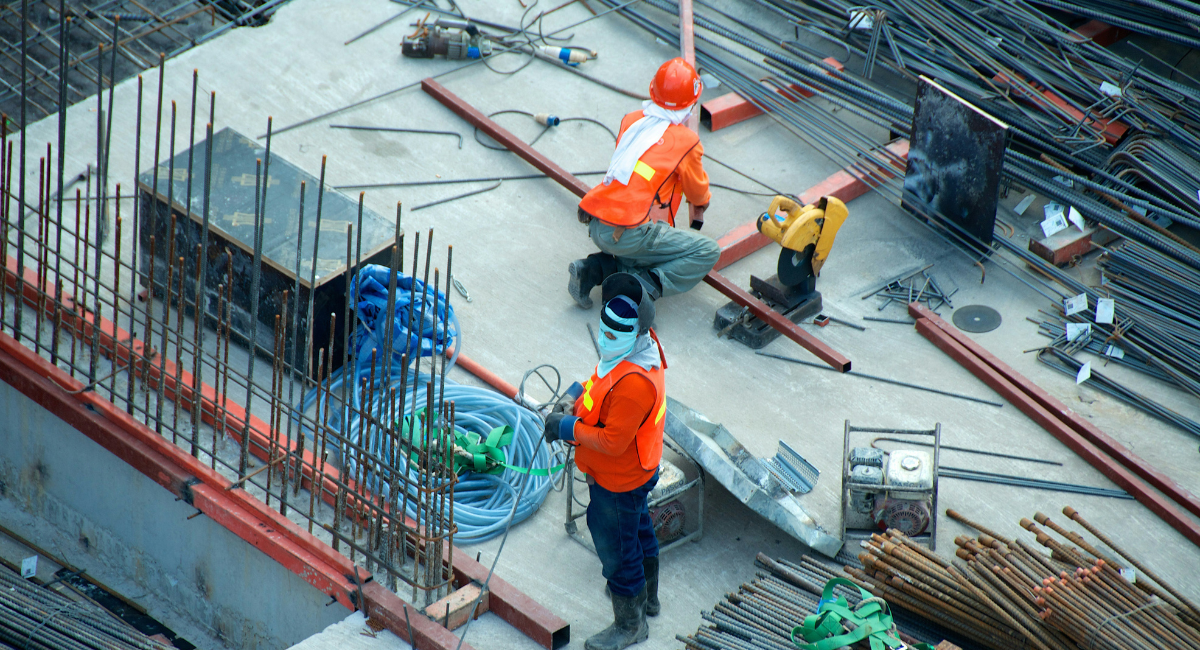
House Foundation Issues
The Dutch Authority for the Financial Markets (AFM) released a report in April 2026 stating that six out of every ten homeowners with house foundation issues need their foundations repaired, but may not have been able to do so due to a lack of funds. Currently, about 5% of all Dutch houses are affected by severe foundation issues.
In old urban areas on wooden piles, the difficulties become particularly serious in cities like Amsterdam, Rotterdam, and Gouda: water tables drop below ground level, original wooden foundations start to decay in the previously waterlogged soil, and the building is undermined from below.
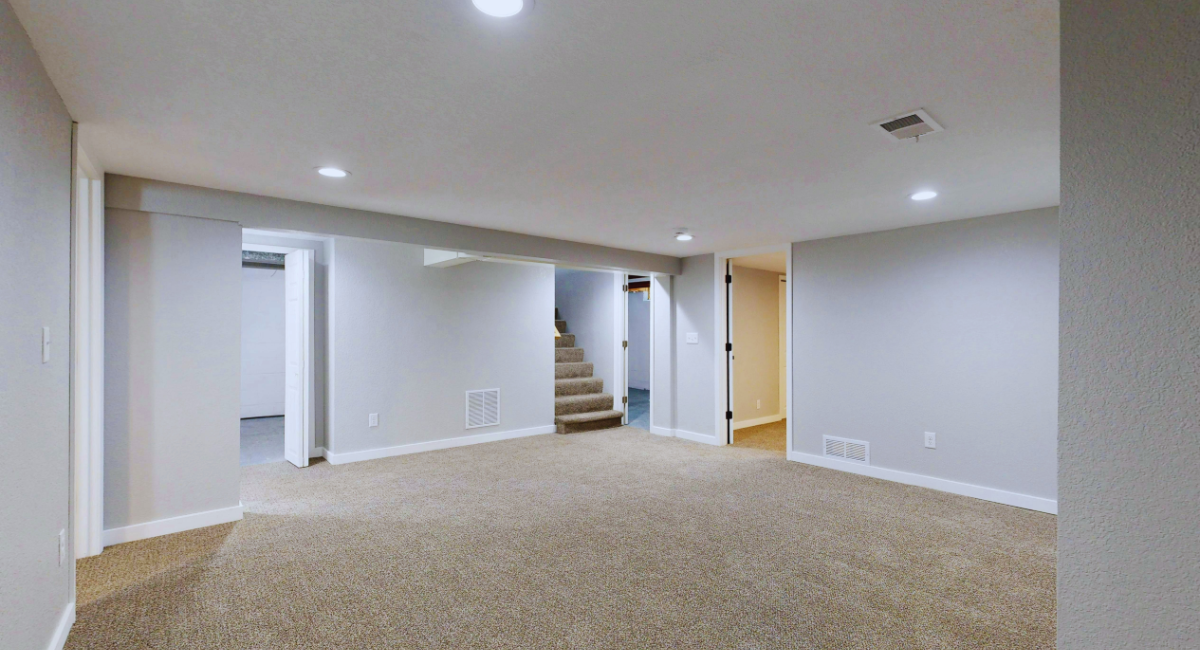
Be Wary of Basement Foundations
You need to be particularly cautious about basement foundations and waterlogged soil. Roughly 425,000 households have basement foundations that need fixing. Of these repair basement foundation cases, 120,000 are no longer considered optional because they are rated D or E under the new evaluation model introduced last month, meaning repairs are mandatory.
When it comes to these repair basement foundation cases, in financial terms, the setback is enormous-a mind-numbing €92,000 on average to replace foundation work for a building. That’s certainly not the kind of surprise you would like to encounter when you’re finally presented with the keys to your new home.
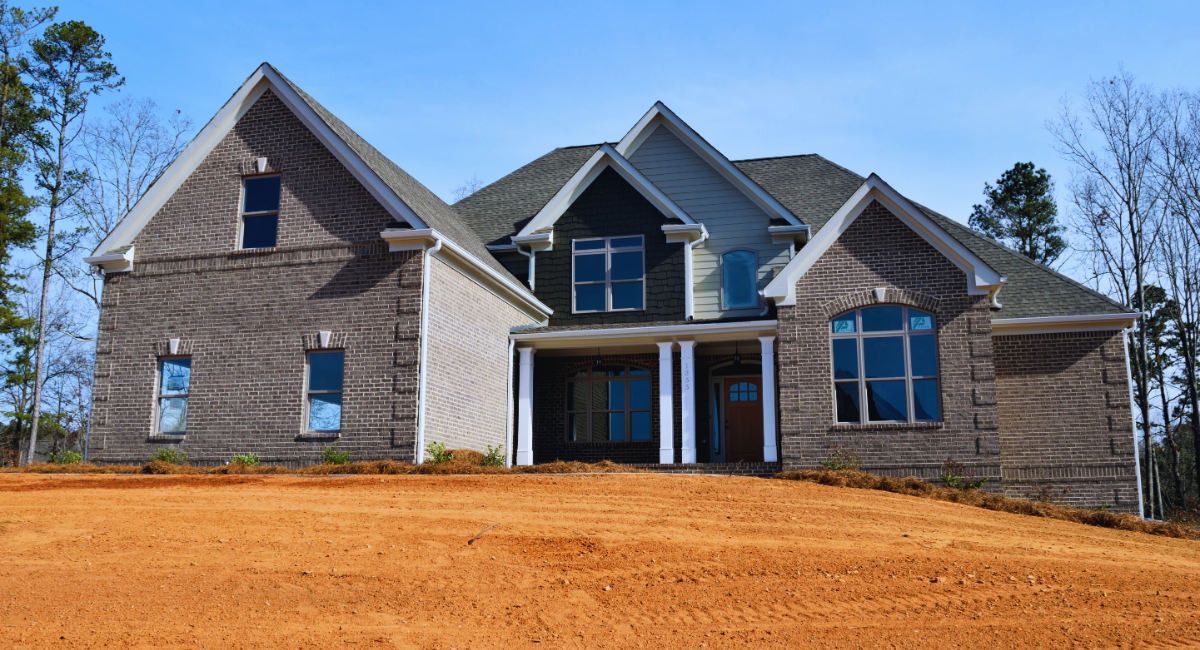
How To Avoid This When Buying In The Netherlands
So, how can you avoid this impending financial disaster or the costly fix to repair basement foundations when navigating the Dutch housing market? The answer is to do your research and prepare. If you are on the verge of owning a property, do your homework. As it stands, valuation reports indicate the foundation quality, but one snag is that buyers only receive this information after they have signed the purchase agreement, so it’s too late to back out or negotiate. So, the remedy is to be bold and ask for it up front.
Don’t be afraid to ask for technical papers or initiate an independent inspection should the property be located in a well-known subsidence zone. Public maps or local publications usually mark regions at risk — particularly areas built on peat or clay.
Think of the foundation in the same way as the property’s energy label, and get a glimpse of the status at an earlier stage in the sale process, preferably before negotiations have commenced. Protecting yourself early on and seeking transparency now can save you a big, costly headache later on.

Change in Policy and Consciousness
Rising awareness has prompted policymakers to explore how foundation risk data could be integrated into matters concerning property agreements. This would make them visible early in the selling process, along with an energy label, prior to negotiations. Transparency would give buyers a fair chance to understand structural risks before making a life-changing investment.
What’s needed is a series of changes toward buyer protection; the subject of foundation risk is probably better addressed in the selling process, very early on, alongside energy labels, much before negotiations begin.

For Expats Buying a House In The Netherlands
This subject is somewhat mysterious and not easily grasped by expats, especially those not used to Dutch soil conditions. Many come from countries where the ground is hard and unyielding, and the very notion of house foundations “sinking” sounds like an old tale. Nonetheless, draining one-fourth of the Netherlands below sea level makes the foundation a “live,” constantly moving matter to consider.
Leave a Reply
You must be logged in to post a comment.