
How the Dutch Flag Helped Shape Tricolors Around the World
Categories: Culture,Latest News,News from the Netherlands
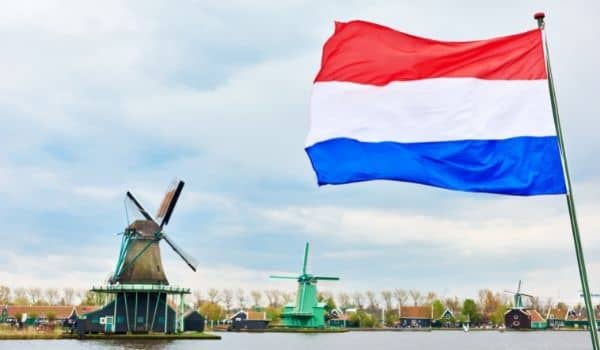
The red, white and blue Dutch flag is so familiar that it can be easy to overlook how old and influential it is.
The history of the Dutch flag reaches back to the revolt against Spanish rule in the late 16th century, when a different version flew above rebel ships. Its simple three-stripe design later travelled beyond the Netherlands and may have helped shape national flags still used today.
The Dutch Flag Was Originally Orange
The earliest Dutch tricolor was the Prince’s Flag, or Prinsenvlag. It used orange, white and blue and was linked to William of Orange, the leading figure in the Dutch Revolt.
The first official reference dates from 1572. At the time, the flag worked as a symbol of resistance and loyalty. It was easy to recognise on ships and battlefields, compared with the complicated coats of arms used by European rulers.
During the 17th century, the orange stripe gradually became red. There was no single announcement explaining the change. You may hear that red dye lasted longer or was easier to see at sea, but historians have not found firm proof of one reason. Politics probably mattered too. Red created some distance between the Dutch Republic and the House of Orange.
By around 1660, red, white and blue had become the usual combination.
How Dutch Ships Spread the Tricolor
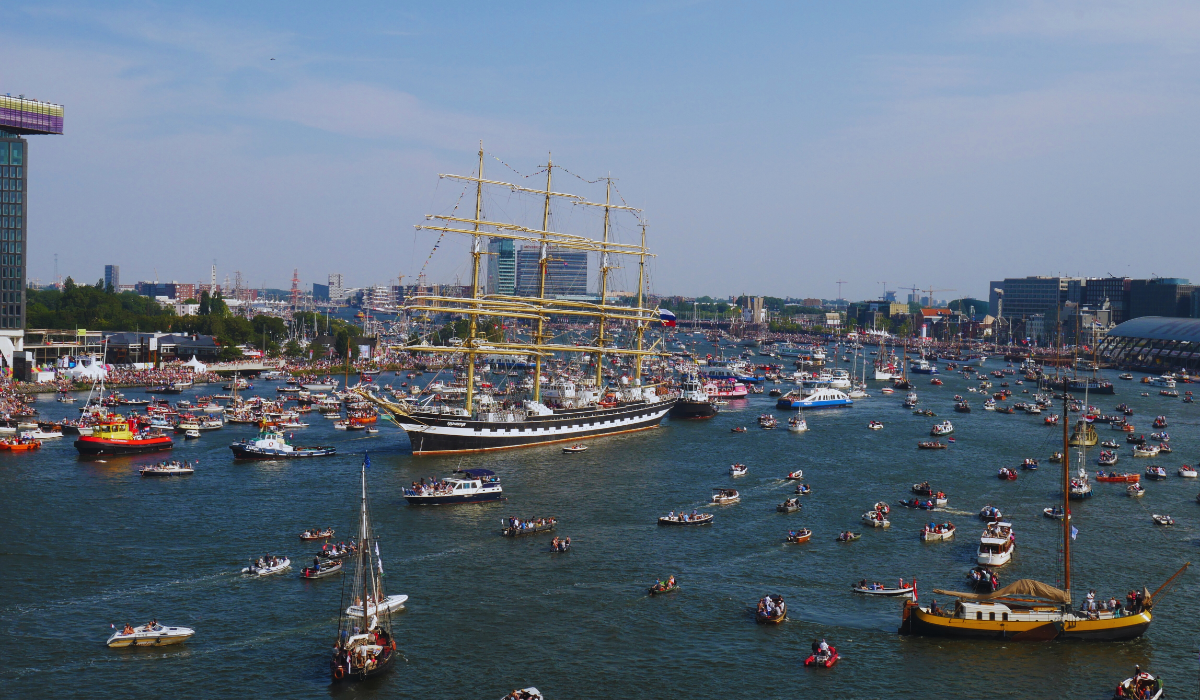
The rise of the Dutch flag happened alongside the growth of Dutch maritime power. Dutch trading and naval ships travelled through Europe, Asia, Africa and the Americas. As a result, the red, white and blue stripes became one of the most visible political symbols at sea.
This global reach came through the Dutch East India Company and Dutch West India Company, whose histories are inseparable from colonial violence, slavery and exploitation. The flag’s international visibility was therefore connected to commercial power and empire, rather than simply clever graphic design.
Read Also: Dutch Flags & Coat of Arms
Did Russia Copy the Dutch Flag?
Russia provides the clearest example of Dutch influence. Peter the Great visited the Dutch Republic in 1697 to study shipbuilding. Soon afterwards, Russia began using a white, blue and red flag for merchant ships.
The stripe order differs, but historians generally agree that the Dutch maritime flag provided an important model. The Russian design later influenced several other Slavic flags.
What About the French Tricolor?
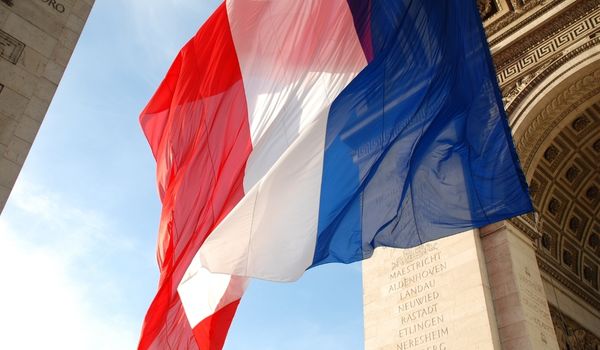
The connection with France is less direct. The French flag emerged during the French Revolution by combining the blue and red of Paris with royal white. The older Dutch flag may have helped make the three-color format familiar as a symbol of political change, but France developed its own design from local revolutionary symbols.
So, did the Netherlands invent every tricolor? No. Three horizontal or vertical bands are practical, easy to make and visible from a distance. Still, the Dutch flag was one of the earliest national tricolors in history, and Dutch shipping made the format internationally recognisable long before most modern national flags existed.