
7 Tips to Save Money on Utilities in the Netherlands
Categories: Housing
Gas and electricity can be expensive in the Netherlands, adding to the already high cost of living. Depending on the household, expats can expect to pay between €120 – €150 per month. Then there’s water, council taxes, internet and phone bills… it soon adds up!
It doesn’t help that we’re all stuck at home for the time being and need the heating on high, a constant supply of Netflix and a crisp pair of jam-jams fresh out of the drier for the ‘home office’. As if on cue, the Vereniging Eigen Huis (the Dutch homeowners association) announced right before the pandemic hit that energy bills were expected to rise to up to €60 per year between 2020 and 2022. Although it might be tough, now is as good a time as any to save money on utilities in the Netherlands. Below, you’ll find our top tips on keeping your bills in check without having to sacrifice the home comforts.

Use Electricity at Night and On Weekends
In the Netherlands, there is a reduced tariff between 23:00 and 07:00 every day if your property has a meter. It’s also available on weekends (from Friday 23:00 to Monday 07:00). Small things like taking a shower before bed, charging your computer overnight and doing the laundry on weekends can save money on utilities (energy) in the long run.
Pay Attention to Your Smart Meter
All households in the Netherlands will have been offered a smart meter by the end of 2020, so it’s likely you’ve got one by now (click here to learn how to read your Dutch one). Gas and electricity readings will be sent to your supplier automatically each month. From there, you’ll receive an overview of your consumption via post or email. Here, you gain a regular insight into your energy use and the costs associated with it. This allows you to make appropriate adjustments and cut down where needed; in turn, saving money.
Spend Less Time in the Shower
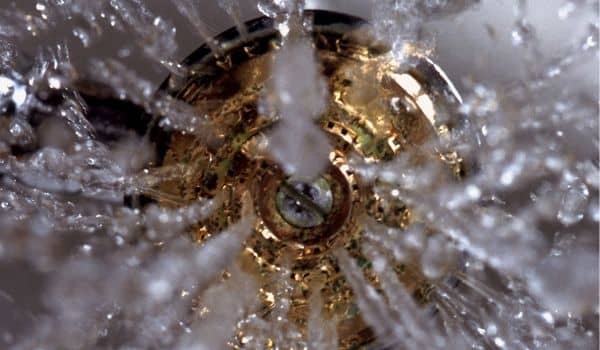
As much as we all enjoy showing off our vocal prowess under a hot shower, it’s actually one of the biggest causes of water waste in the home. The average shower uses around 12 litres of water per minute. Taking a 5-minute shower instead of a 10-minute shower will reduce your water consumption by 22,000 litres every year. That’s a considerable figure for the environment and will help to save money on utilities (water) in a big way.
Invest in Some Tech
There are plenty of technological resources to help save money on utilities. Energy-saving lightbulbs, taps (like the Quooker tap), shower heads and appliances are all readily available at reasonable prices. A clock thermostat lets you specify the times and temperatures of your heating throughout the day. Many, like the Nest thermostat, connect to mobile apps so you can control your home’s temperature when you’re away, reducing unnecessary energy use. Certain devices can even track standby consumption in real time and measure solar panel output. For more information on the kinds of tech available in the Netherlands, click here.
Don’t be Swayed by Package Deals
In particular, this tip relates to your internet setup, but it’s worth bearing in mind across the board. There are many internet providers to choose from in the Netherlands, including Ziggo, KPN and Tele2. The majority of them offer all-in-one package deals for cable TV, internet and landline while throwing in a few special features. If you don’t want these extras, you can buy internet separately and pay for what you actually use. Comparison sites like this offer a more in-depth look.
Insulate Central Heating Pipes
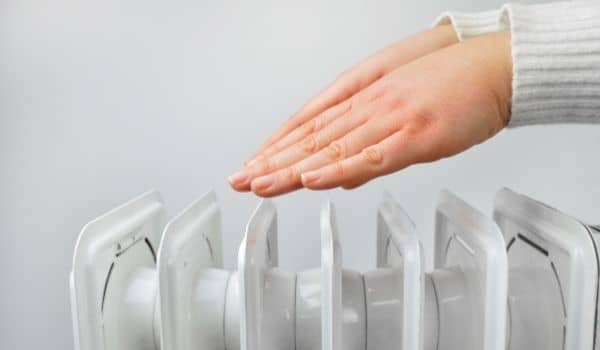
Although charming, many buildings in the Netherlands are old and poorly insulated. Pipes in cold rooms, such as attics and crawl spaces, often lose heat. Covering them with pipe insulation allows this heat to get to where it’s needed. If you don’t feel like getting your hands dirty, you can get a handyman to do it for you. Platforms such as Zoofy connect you with plumbers, electricians and repairmen across the Netherlands who’ll get the job done in no time.
Shop Around
The energy market in the Netherlands was privatised in 2004, allowing consumers to compare and choose their suppliers. As such, there are many companies offering a range of contracts, deals, and green energy solutions. Taking the time to shop around is important, but it can be challenging to know where to start. Companies like Utility Direct and PartnerPete help expats in the Netherlands find the best deals with top utility providers and set up everything free of charge, including internet and mobile. It’s a one-stop shop that’ll save both time and money on utilities.
A little really does go a long way. Adjusting a few bad habits, upgrading your home’s smart features, or enlisting the help of a utility connection service like Utility Direct or PartnerPete are just a few ways to save money on utilities in the Netherlands. Hopefully, it’s something we can all continue to do once the pandemic is behind us. The Netherlands aims to achieve zero CO2 emissions by 2050, and the government is moving quickly on renewable energy development and smarter energy-saving measures. Rolling with the times has never been more beneficial for the environment and the bank!