
What do the Amsterdam Municipal Elections 2026 Mean for Expats?
Categories: Culture,Latest News,News from the Netherlands
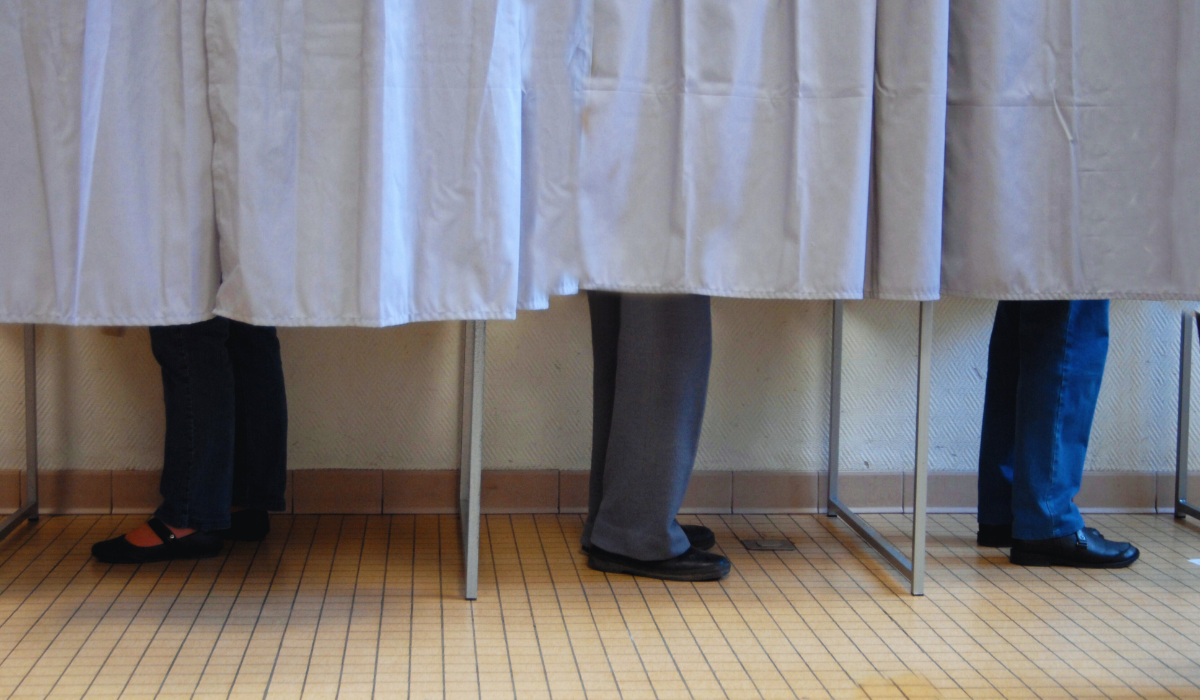
Election fever is over, and the results have been declared; what does Wednesday’s election for the city council in Amsterdam mean for you? Like in previous years, Amsterdam voted left. However, what does a leftist government in the municipality do for the lives of the people during the next four years?
The Results of the 2026 Amsterdam Municipal Elections
GroenLinks was the star. The GroenLinks party won 10 seats and became the largest force, D66 also grabbed eight seats and are fixed as the second biggest party, and while PvdA gained seven seats, they lost two compared with the previous election.
Surprisingly, VVD increased its representation from five to six seats, remaining the largest right‑leaning opposition party. But even with six seats, the VVD is, and remains, unlikely to join a left‑led governing coalition.
Unlike most regional elections back home in Canada, the UK, and the USA, where one party normally has a clear majority, municipality communities in the Netherlands elect members through proportional representation, with no political party really able to secure sufficient seats to secure an absolute majority; this has resulted in coalitions as the norm.
GroenLinks, D66, and PvdA in coalition have acquired a total of 25 seats in the 2026 election, having increased by 1 or 2 seats each for GreenLeft and D66 from the last election, while the PvdA is down by 1. Voting was 47.1% of the voting population.
Read Also: A Deep Dive Into Dutch Politics: Why the Dutch Political System Is So Unique
What the Next Four Years Hold for Expats
Focus on Housing Rights
Expats tend to be taken advantage of, as hardly anyone knows Dutch rental law; they wind up signing contracts with double rents and hidden terms. GroenLinks is focusing on bad landlords. The city has stricter rent caps planned. And mandatory spot checks, and high fines for landlords not returning deposits. Even though this wouldn’t bring a dramatic end to the current housing crisis in one stroke, it may be a step in the right direction for the rental sector.
An Even More Cycle-Friendly City
Amsterdam is working very intensively to make the city even more bike-friendly, with the new coalition keen to to provide even more bike-friendly infrastructure. If things continue the way they are, they are liable to initiate a closer-to-an-all-out assault on cars in the city centre by reducing speed limits and extending pedestrian areas here. They are considering levying a small entrance fee for vehicles into the city. If you are currently hopping about in a monstrous, gas-guzzling icebox on wheels, it may be time to contemplate purchasing an electric self-pedaled urban cargo bike.
Fight Against Over-Tourism
The city wants to get rid of the image it has, in the eyes of many, as the stag-do capital of Europe and fight over tourism. The GroenLinks coalition plans to invest in “Stay Away” marketing campaigns, targeting trouble-causing tourists. Also, there are potential earlier closing times for bars in the Red Light District and a more robust tourist tax.
Another Greener, Fuel-Free City
The coalition is giving strong signals that its commitment to sustainability is more serious this time. A new set of citywide subsidies for insulation, solar energy systems, and green roofs will take effect soon. Much more work will be evident towards making the city gas-free. Don’t be shocked when gas heaters for outdoor terraces are entirely prohibited by next winter. One is going to have to deal with the cold with layers and moaning inevitably.

Concluding Thoughts
Amsterdam’s 2026 municipal election was a powerful reassertion of Amsterdam’s progressive identity, strengthening the development of environmental policies and strict housing models, especially under GroenLinks. For expats, the means will involve living in a city that tries to be cleaner, fairer, and governed by stable regulations, with occasional rigidity.