
New Job in the Netherlands? Check These Essential Contract Tips
Categories: career & jobs,Latest News,Legal,Sponsored
Congratulations on landing a new job in the Netherlands! The role sounds promising, the terms seem fair, and you are eager to dive in. But before you put pen to paper, it is crucial to scrutinize your contract. If you are not well-versed in Dutch employment law, deciphering the legal jargon can be daunting and may impact your rights.

Understand Your Contract: Know Your Rights
First things first, determine whether you are signing a fixed-term (temporary) or indefinite (permanent) contract. This distinction is vital, as it governs the regulations that apply to your employment and, consequently, your rights.
If you have the option, opt for a permanent contract. Dutch law provides substantial protection for employees on permanent contracts; an employer cannot unilaterally terminate such a contract without the employee’s consent or permission from a cantonal judge or the UWV. If a permanent contract is not feasible, keep in mind that temporary contracts can last up to 3 years, and you are allowed up to 3 consecutive temporary contracts. If your employer wants to terminate your fixed-term contract in the interim, note that the employer cannot do so without following the formal route for termination – either through court or through the UWV.
Start Strong: The Probation Period
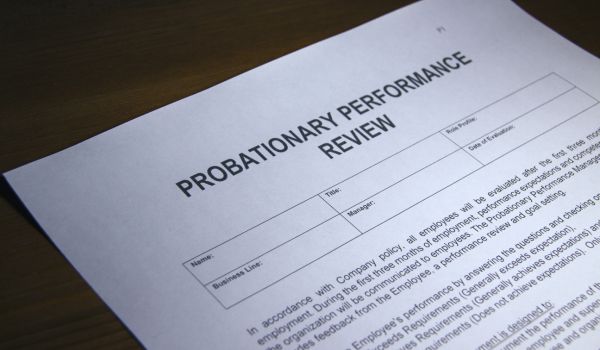
If your contract includes a probation period, either you or your employer can terminate the employment during this time without needing to provide a reason. Remember, a probation period must be documented in writing to be legally valid.
Temporary contracts of less than six months cannot include a probation period. For contracts longer than six months, a maximum probation period of one month is permitted. Indefinite contracts may include a probation period of up to two months, and both parties must agree in writing.

In Between: Conditions and Changes
Your contract, along with any relevant general terms and conditions or Collective Labour Agreement, outlines the working conditions you’re agreeing to. Key aspects include your workplace location, salary, working hours, job title, and payment schedule.
In the Netherlands, ensure you check for:
- Vacation days: Full-time employees are entitled to at least 20 vacation days per year, excluding national holidays.
- Vacation allowance: 8% of your annual salary is allocated as “holiday money.” This sum may be paid annually or at another agreed time, but should always be specified.
- Unilateral changes clause: If your contract contains this clause, your employer can amend your employment terms without prior consent. This could involve changes to your workplace or position. However, note that employers must adhere to strict conditions before making unilateral changes, even if such a unilateral changes clause is included.
- Non-competition clause: Be cautious about signing contracts with non-competition or non-solicitation clauses. Once agreed, these clauses are binding and can complicate future job opportunities. Ideally, avoid these clauses altogether, particularly in temporary contracts, unless the employer can justify their necessity.
Read Also: 6 Things to Consider Before Signing A Settlement Agreement in The Netherlands
End well: notice periods, termination, and transition
Unless otherwise stated, employees have a notice period of one calendar month. For employers wishing to terminate an employment contract, notice periods vary based on the employee’s duration of service:
- Less than 5 years: one month
- 5 to 10 years: two months
- 10 to 15 years: three months
- More than 15 years: four months
You can negotiate different notice periods, but remember that the employer’s notice period must be double that of the employee’s and cannot exceed six months.
- Termination: Temporary contracts end on their specified expiration date. For indefinite contracts, termination can occur through resignation by the employee, mutual agreement, dismissal via UWV or court, or summary dismissal (being fired on the spot).
- Post-contractual clauses: If your employment agreement contains non-competition or business relations clauses, negotiate these terms upfront as they could restrict your future career options.
- Transition: If your employer intends to terminate your employment, they are required to provide you with a so-called transition payment, which is the statutory severance payment—equivalent to one-third of your monthly salary for each year of service.
By staying informed and proactive about your employment contract, you can ensure a smoother transition into your new role and safeguard your rights in the Dutch labor market.

GMW Lawyers – Experts in Expat Employment Law
If you need help assessing your new employment agreement, contact our team of English-speaking employment lawyers for assistance. Call us at 070 361 5048 or send us an e-mail.
Written by Seliz Demirci