
The Dutch Mortgage Market in 2026: What Expats Should Do Before 2027
Categories: Housing,News from the Netherlands
Getting a mortgage in the Netherlands has never been easy. Now interest rates are rising again. In October, 30% fewer people applied for a mortgage than the previous year. Then, on January 1, 2027, the law changes take effect. In the coming months, you’ll have to make some important decisions. These decisions will determine how much you will have to pay each month for years to come.
The good news? Most 2027 changes to the law will work in your favor. In this overview, we explain what’s going on in easy-to-understand language.
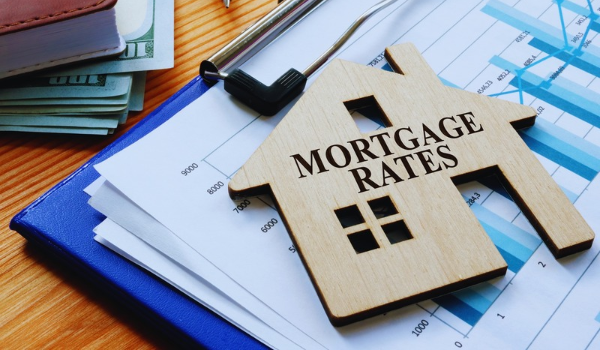
Interest Rates Are Going Up Again
The interest rate is the cost of borrowing money. An increase means your mortgage costs more.
In September 2026, the European Central Bank raised its main rate to 2.50%. The Bank explained that rising energy prices were also driving inflation up. In late October, the Bank left its rates unchanged.
In the Netherlands, mortgage rates also increased. At the end of August, a common 10-year mortgage (with NHG, the Dutch mortgage safety net) cost 4.11%. In early October, it increased to 4.52%. By late October, it decreased to around 4.43%.
Buyers definitely noticed. People rushed to apply before rates rose. After that, in October, there were about 30% fewer applications than the year prior. One quiet month does not mean a crash. But it does show how sensitive buyers are to rate changes.
Have a mortgage already? Then you aren’t really impacted for now. A lot of cheap rates were locked in between 2020 and 2022, often for 10 years. Only about 4.5% of mortgages are set to end in the next year. About 30% are set to end by 2030. If your mortgage ends in the next few years, start shopping around and comparing deals a few months early. Don’t just wait for your bank to tell you.

House Prices: Still Going Up, Just Slower
The average selling price of homes in the Netherlands was €505,000 in September 2026, up 2.9% from the year prior. Compared with the previous month, it fell by 0.4%. Prices have been rising more slowly almost every month since late 2024. Most experts expect home prices to rise about 2.5% to 3% in 2027.
Slower does not mean cheap. Homes still cost over 17% more than at the July 2022 peak. From mid-2023 to now, prices have risen 21%, but wages have risen only 14%. So, once again, homes are pulling away from wages. In 2025, 75% of homes sold for more than the asking price.
Big Debt, Few Problems
You have probably heard that the Dutch have large mortgage debt. That is true. The Dutch national mortgage debt was €948 billion in mid-2026. That is considerably large given the size of the Dutch economy: far more than in most other euro countries. Dutch mortgage debt equals about 80% of the economy’s annual output. The euro average is closer to 50%. The average mortgage debt per household is €216,000.
There is another side to the coin. Home values have increased faster than mortgage debt, so the average homeowner owes only about 50% of their home’s value. Very few homeowners get into mortgage trouble. In June of 2026, 25,100 homeowners were behind on their payments. That is 17% less than the year before. Less than 1% of all the mortgages were classified as being in trouble. Dutch banks enforce strict rules on who can take out a mortgage, and those rules work. Remember that next time you see a sensational headline.

Movers Win, Starters Stretch
Not all buyers are in the same boat.
People who already own a home are in a great position. Their home has increased in value. Many can also transfer their existing low mortgage rate to their new home (a portable mortgage). In the third quarter of 2026, 20% more people applied for a portable mortgage. Applications from movers in general increased by 15%.
First-time buyers are the most vulnerable. They don’t have another home to sell, and they face today’s higher rates. Many need extra help. In the first half of 2026, 8.3% of first-time buyers used a starter loan, an extra loan from your local council that helps top up what the bank gives you. In 2021, this was only 3.2%. More than 300 towns and cities offer these loans. You can check if yours does at SVN.
What Changes in 2027 (Mostly Good News)
First, the safety net is expanding. NHG is a guarantee that protects you if you have bad luck, for example, losing your job, getting a divorce, or getting ill, and you can no longer pay your mortgage. Banks will also usually give you a better interest rate if you have NHG.
From January 1, 2027:
- NHG covers homes up to €500,000, up from €470,000
- If you also borrow for energy-saving upgrades, the limit is €530,000
- The one-time fee stays at 0.4% of your loan
- Buy a home with an energy label E, F or G (a house that wastes energy), and you get €20,000 extra for upgrades like insulation. You must use it within two years
- If a house likely has foundation problems (the part that holds the house up), the lender must count the repair costs
- The new rules apply to mortgage offers made from January 1, 2027
Second, you can also borrow a bit more. Each year the government sets how much you can borrow based on your income. For 2027, most working households can borrow slightly more:
- Earn €50,000? At 4.25% interest, your maximum goes from about €199,900 to €204,100
- Get a 3.7% pay rise on top? Then it is about €211,700
- Buying alone? You may count an extra €18,000, up from €17,000
- Careful: higher rates eat these gains. On a €70,000 income, you can borrow about €7,000 less at 4.25% than at 3.75%
Third, the tax break on mortgage interest also remains. In the Netherlands, you pay interest to the bank, and the tax office gives you part of it back. The new government has promised to keep it this way. Next year, this tax break will increase slightly, from 37.56% to 38.16%. One catch: that still depends on Parliament’s approval.

Check Your Own Mortgage Now
Whatever your situation, there is one smart move you can make today:
- Does your rate deal end in the next two years? Start comparing about three months early. Rates are higher than when you locked in, so give yourself time to shop around.
- Do you have an interest-only mortgage? That means you pay only the interest each month, not the loan itself, and you pay the whole loan at the end. Nearly 40% of all Dutch mortgage debt works this way, and many of these loans end between 2035 and 2040. Check how much you will owe and how you plan to pay it.
- Are you over 50? Banks are getting stricter. From December 9, 2026, ABN AMRO will check if you can still pay your mortgage after you retire. From March 2027, Rabobank and Obvion will look at your pension income 15 years before you retire. This only matters if you move, change your mortgage, or borrow more. So if you have plans, it’s best to act sooner rather than later.
- Thinking of moving? Ask if your current cheap rate can move with you. That can save you hundreds of euros a month.
- Just starting out? Try the free Dutch mortgage calculator to see what you could afford.

Get an Adviser in Your Corner
You can read the rules yourself. Or meet with someone who knows them by heart. One good adviser can easily pay for themselves. They may catch something like NHG saving you more than it costs, or that your low rate may be transferable.
In one sitting, an adviser will:
- Compare deals from more than 40 lenders, not just the one bank you happen to know
- Work out your real maximum for 2027, including the new NHG room
- Check if NHG, a starter loan, or a portable rate works for you
- Explain the small print before you sign anything
Frequently Asked Questions
Is the Dutch housing market about to crash?
There are no signs of a crash. Prices are still rising, just more slowly. Very few people are behind on their payments.
Why did mortgage applications drop so much in October?
Rates went up in September. Many buyers applied early to beat the increase, so October was quieter.
What is NHG, and do I need it?
NHG is a safety net. It protects you if you cannot pay your mortgage after things like job loss or divorce. You do not need it, but it usually gets you a lower rate. From 2027, it covers homes up to €500,000.
Can I take my current mortgage rate to a new home?
Often, yes. This is called a portable mortgage (meeneemhypotheek in Dutch). Ask your lender or adviser if yours allows it.
Do I still get money back on my mortgage interest?
Yes. The tax office still gives you back part of your mortgage interest. The government has promised to keep this in place for now.
How much can I borrow in 2027?
That depends on your income and the mortgage interest rate. Most working households can borrow a bit more than in 2026. A mortgage adviser can calculate your exact amount.
The Bottom Line
The Dutch mortgage market is healthy, but it is shifting. Interest rates are going up. Home prices are rising more slowly. And the rules become more consumer-friendly from January. If you plan a little, you can work the changes in your favor.
Leave a Reply
You must be logged in to post a comment.