
How Dutch Supermarkets Are Preparing for a Power Outage, And What You Need To Do
Categories: Food and Drinks,Latest News,News from the Netherlands
In the Netherlands, our milk and bread never seem to run out, and supermarkets restock fresh fruit and veg daily. Most of us don’t question where our groceries come from, but what happens if the power goes out for a few days? The big chains (Albert Heijn, Aldi) have had to think more about this question recently. While they may not think such an event is imminent, in true Dutch fashion, they must prepare for it nonetheless.
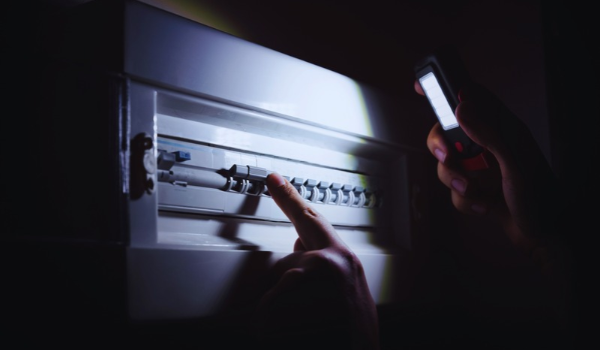
Blackouts And Power Outages: Why Supermarkets Take Them Seriously
Your local Albert Heijn is an electricity hub: fridges, freezers, lights, cameras, checkouts, and warehouses. When a blackout occurs, the whole operation is in jeopardy, and perishable stock starts to go off. Recently, a cyberattack hit French supermarket fridges. This, and similar instances, puts crisis planning high on the agenda for the businesses feeding the country.
What Planning May Look Like
Backup Generators
First things first: Because distribution centers are responsible for running things and supplying a heap of stores at once, ensuring they keep running is very important. Backup generator systems safeguard refrigeration and logistics.
Safeguarding the Cold Chain
The cold chain allows meat, dairy, and frozen goods to remain edible from the farm to the point they go on the shelf. A break for a long period means that food inevitably gets thrown. Planning for a power outage means knowing how long freezers, etc., stay cold, which items go first, and how to reroute trucks.
Clear Emergency Protocols
Supermarkets need clear emergency protocols that spell out who does what and when. Putting this in place can save the day during a power outage, supply shortage, or patchy phone network.
Non-digital Payment Options
The Netherlands is one of the most cashless countries in Europe. Many businesses and consumers prefer it. For this reason, during a blackout, this becomes a problem quickly. This is why many do not want to forgo cash as a payment option.
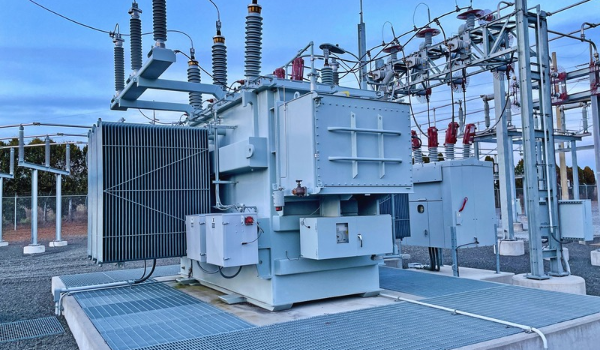
Current Dutch Energy Infrastructure
With only a few minutes of power outage a year and among the most reliable grids in the world, why should Dutch households be extra cautious? Well, reliability today is no guarantee of the same tomorrow.
Grid at Capacity
You may have heard about the congestion (netcongestie) of the country’s electricity grids. A business can wait years to get a bigger or new connection, and bottlenecks delay housing and industrial projects. It’ll take time to expand this capacity.
The Costs of Energy Transition
While a shift to renewables is undeniably good, it changes how the grid works. Wind and solar generate power when the sun is shining and the wind is blowing, but is that always when it’s needed? No. Also, demand goes up as homes switch to heat pumps and more people want electric cars. The combination of increased demand, more variable supply, and a system built for a different era can be hard to work around.
Weather Risks
The infrastructure must withstand damage from flooding, heat, and storms. Add in cyberattack concerns and deliberate damage to critical infrastructure, and you can begin to understand the need for backup options.

The Risks in the Netherlands
Look around. Water is everywhere. The Netherlands’ flood defense system is top-notch and world-class, but climate change is raising the stakes.
Flooding
You may remember the 2021 flooding in Limburg caused by extreme rainfall. The damage ran into millions. Heavy rainfall and swollen rivers can very quickly become problems in the Netherlands, and electrical equipment and water don’t mix.
Heatwaves
As you may have noticed, Dutch summers are getting warmer, and the Netherlands recorded a record-breaking temperature of 40.7°C in Gilze-Rijen. With this, cooling demand increases, and hot weather can reduce efficiency of the power lines. For supermarkets, this translates to equipment (fridge) working overtime, to the point where the power grid is most stretched. A dry summer can reduce river levels and make it harder for some plants to cool equipment.
Why Preparation Matters
It makes sense to make a plan for yourself and your significant others. According to the Dutch government’s Denk Vooruit campaign, households should ideally be prepared for a 72-hour emergency, manageable if you prepare beforehand with a Dutch emergency kit.
Water
For a 3-day (72-hour) supply of water, you’ll need about 3 liters per person per day. For two, that’s 18 liters. Also, this needs to factor in any pets as well as general cooking/hygiene. Tap water will work and flow at first, but since pumping stations also need power, it’s wise not to assume it will be available.
Food
Some that won’t require refrigeration or cooking:
- Vegetables, beans, fish, and soup in cans
- Long-life bread, rice cakes, and crackers
- Peanut butter, nuts, and dried fruit
- Plant-based drinks or milk with a long shelf life
- Baby, pet, and special diet items
Don’t forget a manual can opener. Canned food is no good without this.
During a blackout, it’s wise to eat what’s in the fridge, then the freezer, then your Dutch emergency kit supplies.
Backup Power
- Flashlights with spare batteries (much safer than candles)
- A battery radio to follow official government updates if internet and mobile networks are not working
- Power banks for your phone, charged
- A camping stove for heating water and simple meals, to be used only in suitable spaces
Cash
De Nederlandsche Bank has advised keeping around €70 cash per adult and €30 per child at home in case you need to buy essentials if electronic payments fail. Think coins, €5, and €10 notes. During a blackout, a cashier may not be able to break a €50 note.
Medicines And Documentation
Make sure you have access to your meds (if relevant), and keep a first-aid kit and important documents to hand.
Final Thought
While it may seem unlikely, a blackout could still be on the cards at some point in the future. So it makes sense to plan with a Dutch emergency kit. Just in case. The government has recommended a few steps the ordinary public should take. Supermarkets are a hugely critical part of our infrastructure. Without them, we don’t eat.
Leave a Reply
You must be logged in to post a comment.