
How The Dutch Became The World’s Largest Exporter of Cocoa Products Up To 2025
Categories: Food and Drinks,Latest News,News from the Netherlands
For most people, tulips, windmills, and bike lanes spring to mind when they think of the Netherlands. But most people would be surprised to learn that the Netherlands ranks first in the world as an exporter of cocoa products, recently overtaking neighboring Germany.
The Netherlands recorded cocoa exports of 12.4 billion euros in 2025. This is the culmination of years of innovation in food processing, reflecting the Netherlands’ expertise in importing, processing, and trading cocoa globally. Here’s how the Netherlands became the world’s largest exporter of cocoa products.
Chocolate Became More Expensive
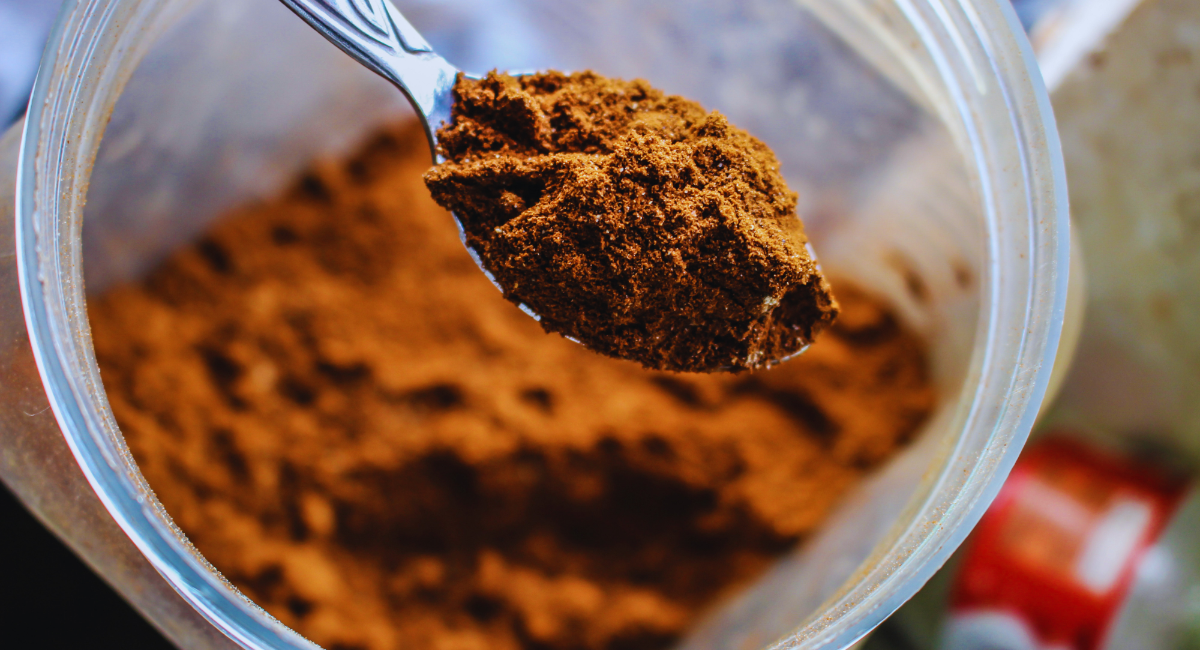
Between 2020 and 2025, the export value of cocoa products produced by the Netherlands almost tripled. This increase in export value is partly due to raw cocoa beans imported into the Netherlands becoming super expensive due to bad weather in the countries where they were grown.
The Port of Amsterdam: The World’s Cocoa Hub
The Dutch story of success begins at Amsterdam Docks. The Port of Amsterdam is now the world’s most important location for cocoa bean processing. Ships loaded with cocoa beans from West Africa and Latin America drop off huge sacks of beans each day.
When the beans arrive in Amsterdam, most are shipped directly to Zaanstreek, just north of Amsterdam, home to the world’s leading cocoa-processing plants. Cocoa beans are first cleaned, then roasted, and eventually ground into semi-manufactured products:
- Cocoa Mass: Created through grinding cocoa nibs into liquid form.
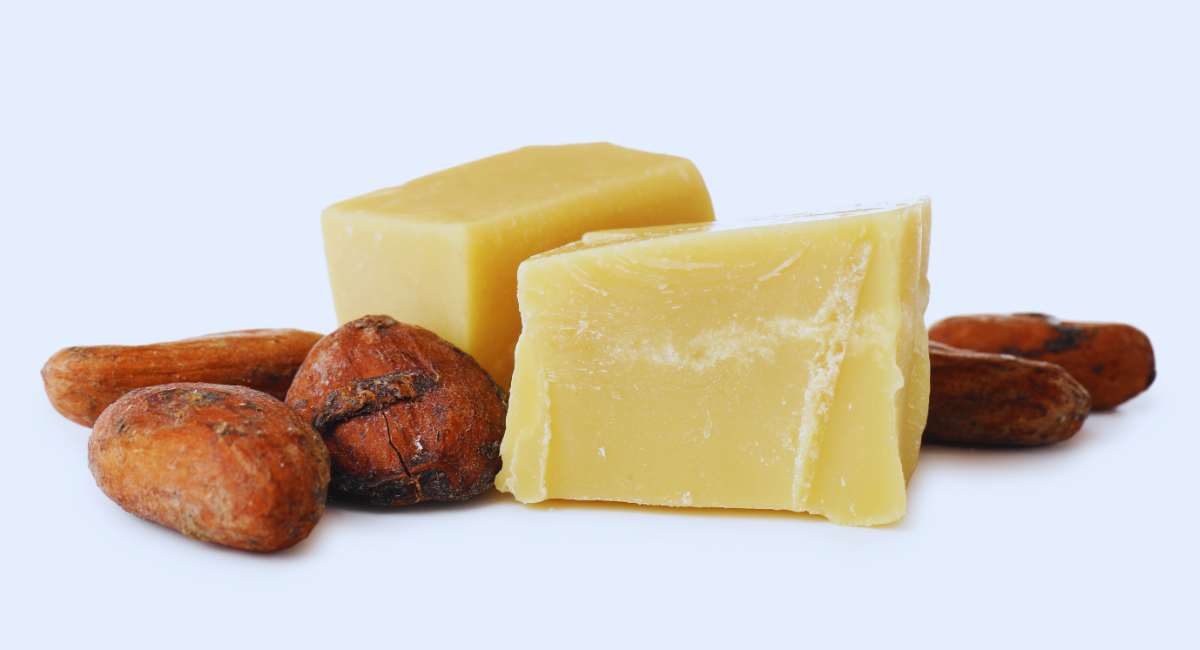
- Cocoa Butter: The oily extract brings a melting, smooth feel to chocolate.
- Cocoa Powder: It is used for all cooking purposes, from baking to beverages.
The chocolate you recognize is also produced, but it is not the only end product produced in the Netherlands.
Feeder vs. Finisher
Until recently, Germany held the top spot as the world’s largest exporter of cocoa products, including cocoa powder. However, food processing in the Netherlands and Germany differs significantly. The basic difference between the cocoa processing systems of the Dutch and the Germans lies in the types of products they ship. Germany focuses primarily on ready-packed products, and exports to retail accounted for about 65 percent of the country’s exports. The Netherlands is primarily acting as a feeder, but only about 25 percent of its exports are chocolate packaging. The remaining 75 percent are semi-finished materials, such as cocoa butter, coca powder, and cocoa mass.
This strategy makes the Dutch a lifeline for the rest of the world. Many international and Dutch brands use chocolate raw material that, at some point in the production process, passes through the Dutch cocoa-processing cluster in Zaanstreek, especially for semi-finished products
Top Destinations for Dutch Cocoa
1. Germany: The biggest importer of Dutch cocoa, with around 25% of its exports, Germany competes with and trades through the Netherlands.
2. Belgium: With 13%, Belgium is hugely reliant on Dutch semi-manufactured goods to cater to its well-known chocolate industry.
3. France and the UK mainly import cocoa mass and cocoa butter.
4. Outside of Europe, the USA is the main destination for Dutch cocoa exports. The US was the largest importer of cocoa beans and cocoa products by value at 11.8 billion euros.
Top Suppliers of Cocoa Beans
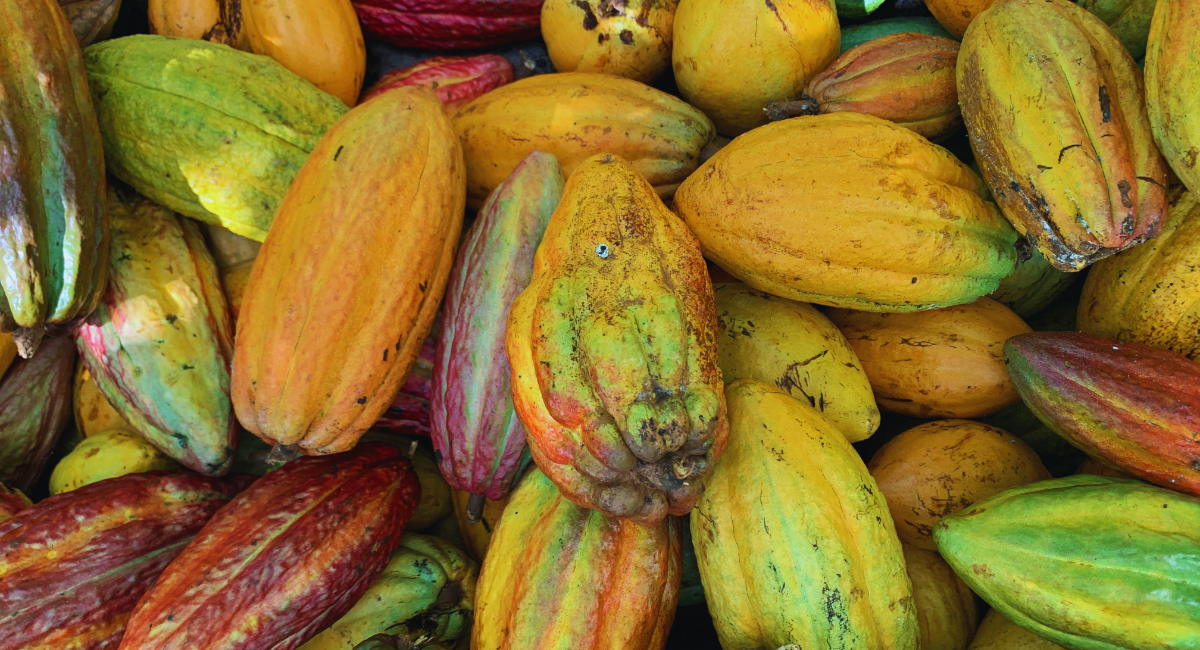
The Ivory Coast has traditionally been the dominant supplier, accounting for 27% of Dutch imports in 2025. However, in recent years, the Dutch import system has been restructured towards greater diversification:
- Nigeria and Cameroon: There has been a recent surge in their strategic channels for Dutch imports; Cameroon now accounts for almost 11% of Dutch imports, while Nigeria has also reached 11%.
- New Sources: Far from yet competing with the sources Ghana and the Ivory Coast provide, emerging markets Ecuador and Guinea are becoming increasingly important players in protecting against potential failed crops in these West African neighbors.

Economic Impact and Future Outlook
In 2025, the Dutch economy earned around 3 billion euros from cocoa product exports. The Dutch have mastered the art of being a profitable middleman. Still, the industry is facing challenges. High cocoa prices reflect the risks to an increasingly vulnerable global supply system under threat from climate change, and the conditions on West African plantations are concerning. Should the industry maintain its leading position, it shall further invest in sourcing sustainable materials and in innovative processing technologies.
So the next time you bite into a bar of chocolate, just think to yourself, it might have, have started life in the Port of Amsterdam, then the Zaanstreek. Your delicious hot chocolate might be the result of the skillful Dutch food-processing industry.