
Why More Young Dutch Adults Are Saying No to Parenthood
Categories: Culture,Latest News,News from the Netherlands
Many young adults are changing their minds about having children, according to a recent RTL survey. It is a big shift that affects everyone. Birth rates in the Netherlands are falling fast. This change brings both good and bad news.
You might wonder why so many young people skip parenthood. We have the exact numbers and the reasons behind them. We will also share what experts think about this drop. You will learn how this choice changes Dutch society, Dutch economy, and the planet.
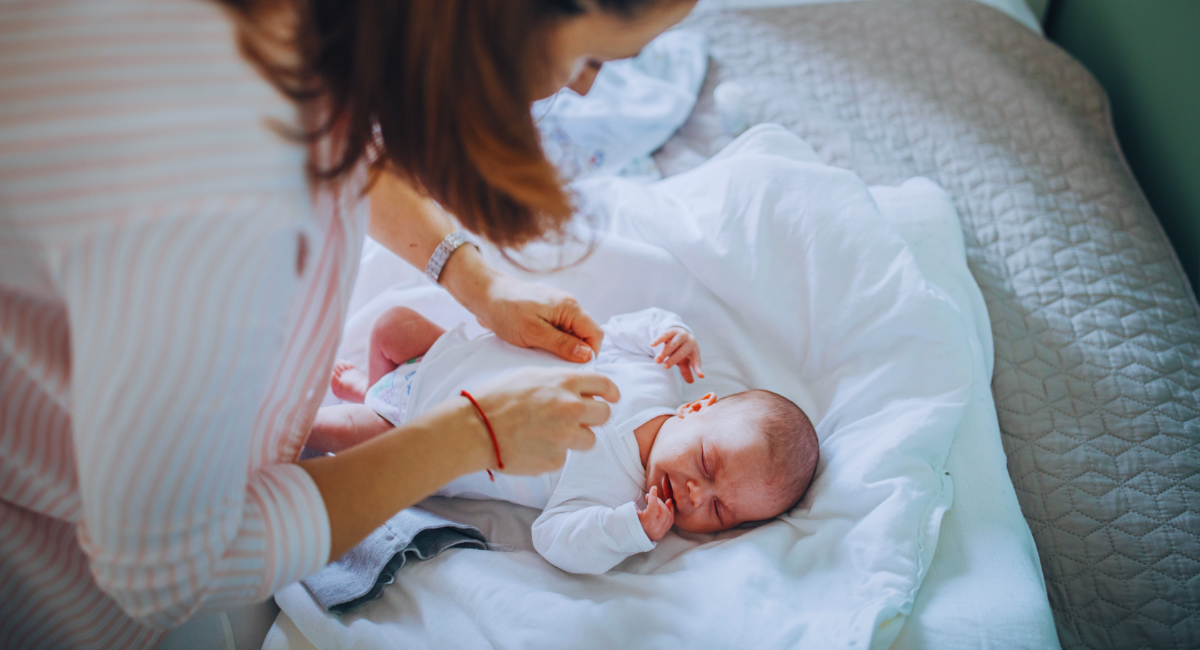
The Rapid Drop in Birth Rates
The numbers show a clear trend over the past few years. In 2010, the average number of children per woman was 1.8. By 2024, that number dropped to 1.4 children per woman.
Recent survey data provides an even clearer picture. A full 53% of Dutch adults aged 18 to 35 have doubts about having children. They either do not want kids or are still unsure. In fact, 41% say they have no desire to become parents.
Where do these numbers come from? A large poll took place on February 10 and 11, 2026. Researchers asked over 19,000 panel members aged 18 to 35. The results are fully representative of age, gender, and education. This poll comes from a large news panel with 63,000 total members.

The Top Reasons to Skip Parenthood
Young adults have many reasons for choosing to remain child-free. About 38 percent worry about the future of Dutch society. Another 33 percent really value their personal freedom and current lifestyle. Around 30 percent say they already have the kids they wanted.
Money and living space play a huge part as well. Financial worries hold back 23 percent of young adults. Another 17% point to the severe housing shortage.
Climate change is a major concern for 20% of the people surveyed. Health problems prevent another 20% from starting a family. Balancing work and career holds back 16 percent.
Some people face different roadblocks. About 12% have doubts or negative past experiences with parenting. Another 11 percent simply do not have a stable partner. Finally, 16 percent mention they are in a same-sex relationship.
The Economic Risks of a Smaller Population
Economist Jona van Loenen sees a huge risk in this trend. He says the Dutch population could easily halve in 75 years. This fast drop will create massive staff shortages. Healthcare, construction, and tech sectors will take the biggest hits.
We will also see a huge shift in age groups. Right now, there are seven working people for every pensioner. Soon, that ratio might drop to just two workers per pensioner.
The demand for care will spike as people get older. Sadly, there will be fewer workers to provide that care. This creates double the pressure on the Dutch economy and local businesses. Van Loenen says the high speed of this change is the real problem. Society cannot keep up with such a fast drop.
The Unexpected Benefits of Shrinkage
Not every expert sees this trend as a total disaster. Economist Jan-Pieter Peijs calls the shrinking population a true blessing. He thinks a smaller population makes huge crises much easier to manage.
The global population is still growing toward 11 billion people. The earth already struggles to support the current number of humans. Finding solutions for nature and nitrogen issues is getting very expensive.
Peijs points out the bright spots of a smaller population. We would see far less pressure on the crowded housing market. There would be fewer traffic jams and much lower emissions. We would also experience less strain on space, roads, and care services.
Finding a Path Forward
Both economists agree on one major solution for the future. Immigration can play a huge role in solving these new problems. It can fix staff shortages and balance the rising costs of care.
Van Loenen states that Dutch society faces two structural choices. Either having more children or allowing for more migration.
The choice to have a child is deeply personal. Yet, all these private choices add up to a massive shift. The world must prepare for a future with fewer children. Think about how these changes might affect your own community or career!