
Why is the Netherlands Falling Behind in its Organic Farming Goal?
Categories: Latest News,News from the Netherlands
For centuries, the Dutch have been considered pioneers in agriculture, primarily because the country consistently ranks high in food and agricultural exports despite its geographic limitations. Much has happened in one and a half centuries. However, the last few years have seen a greater focus on sustainability, biodiversity, and organic produce. The latest CBS findings from 2025 show that the shift toward organic farming in the Netherlands is far too slow.
In 2025, organic farmland in the Netherlands totalled 86.9 thousand hectares, accounting for just 4.8 percent of all farmland. The increase from 4.7 percent in the previous year is negligible. While the country has continually expressed pride in innovation and perfected efficiency, the ever-so-slow take-up by farmers is indicative of systemwide and economic challenges. Over the 2015 to 2025 period, land dedicated to bio grew from $47.0 thousand hectares to $86.9 thousand hectares. In fact, the country sits well below the EU average of 10-11%.
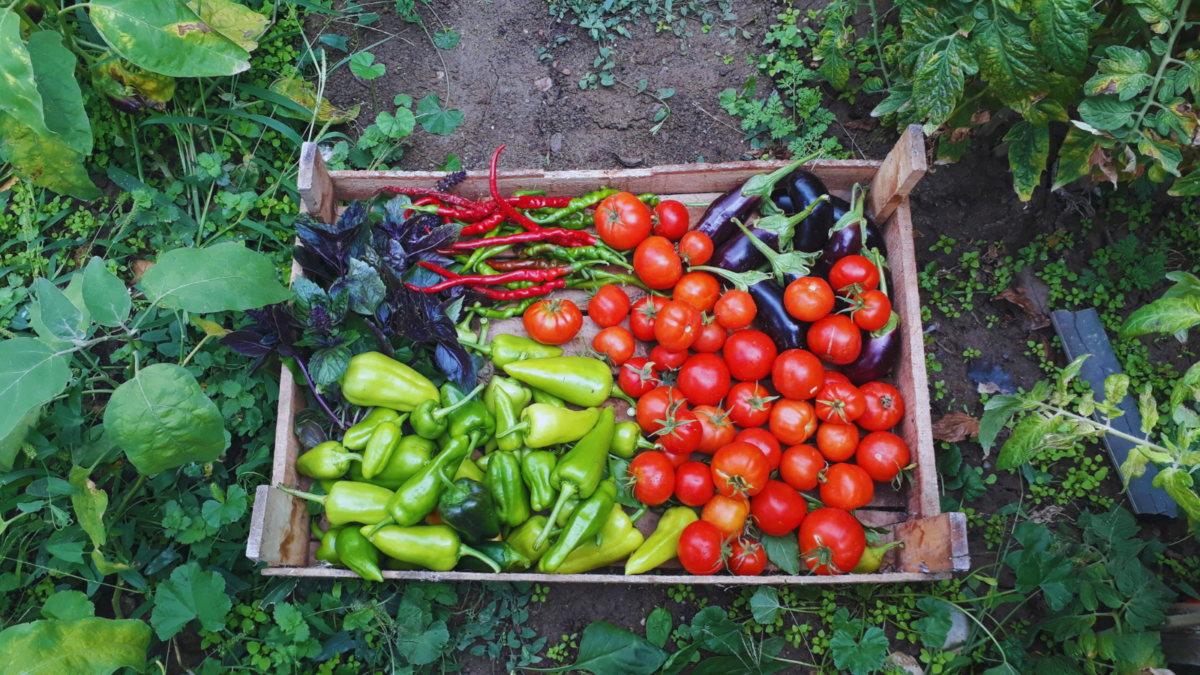
The 15% Target by 2030 Is Unrealistic
The main benchmark for these data is the “Action Plan – growth of Organic Production and Consumption” established under the Ministry of Agriculture, Fisheries, Food Security, and Nature. The plan sets an ambitious objective of at least 15 percent of Dutch farmland being farmed organically by 2030.
In just five years up to the 2030 deadline, Dutch agriculture has not yet reached even one-third of its target. For a simple understanding of the transition, it needs to go from 4.8% to 15% in four years. A feat not likely to be achieved.
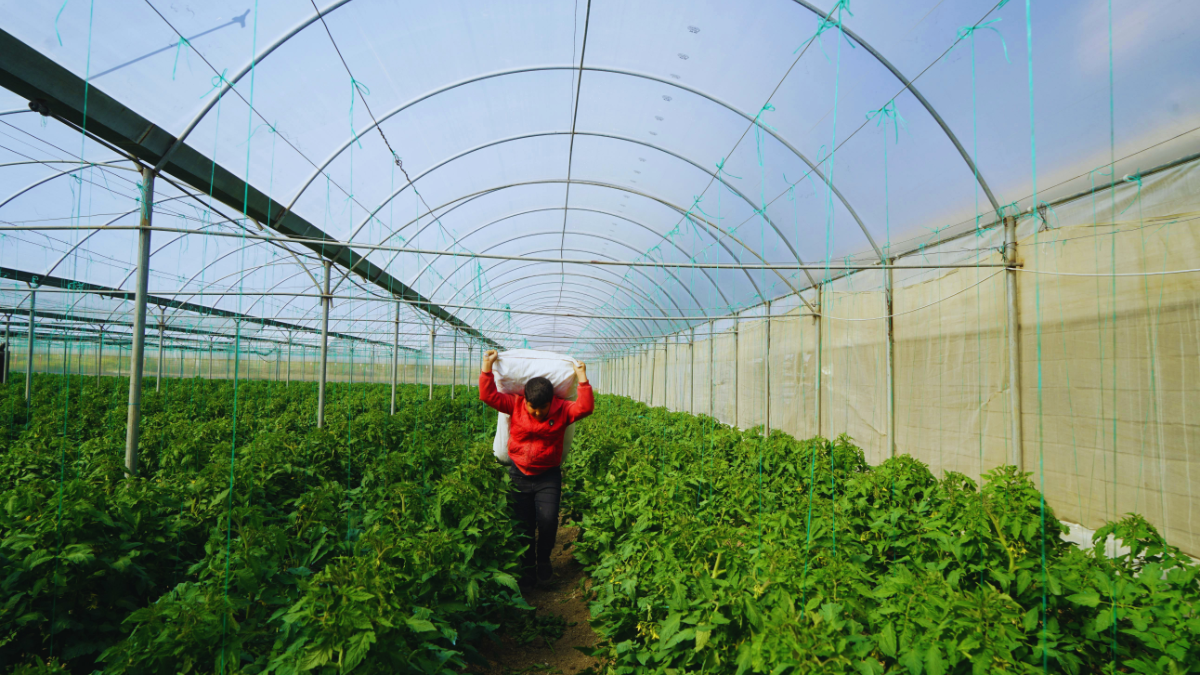
Stability and Continuity in Dutch Agriculture
One of the most positive takeaways from the CBS report is the relatively high retention rate among farms that have successfully transitioned. From 2018 to 2025, 94.1 percent of farmers maintained their organic status annually. In 2025, 93.8 percent of the land certified in 2024 remained in the program.
This high retention rate in Dutch agriculture indicates that once a farmer successfully converts, organic farming is relatively stable for the rest from an organizational management perspective; so, the immediate challenge for the government should not be so much on keeping our farmers in organic, but to convince a greater number of conventional farmers to get on board.
Some experts consider more aggressive actions to achieve the 15 percent goal. Accepting this notion immediately entails more intensive subsidy measures, good news if you are on a budget in Dutch supermarkets and want to eat healthy food.
As the year 2030 draws nearer, the Netherlands will be in a position to decide whether to take a more transformative approach to organic farming and adjust expectations for a greener future, while maintaining a far-reaching organic foundation; yet reaching 15% will require much more than slow growth. A radical transformation of Dutch agriculture will need to be the name of the game.