
An Expat’s Guide to Dutch Public Transport
Categories: Latest News,News from the Netherlands,Travel
Moving to a new country means adapting to a new way of life — and figuring out how to get from A to B efficiently is a big part of that process.
Luckily, the Netherlands boasts one of the most reliable, efficient, and well-connected public transport systems in Europe. Whether you’re commuting to work, exploring pretty towns on the weekend, or making your way home after a night out, there’s a transportation option that fits your needs.
We have compiled an expat-friendly guide to navigate the Dutch public transport system. We’re covering everything from trains and trams to e-bikes and taxis. Are you ready to explore?!
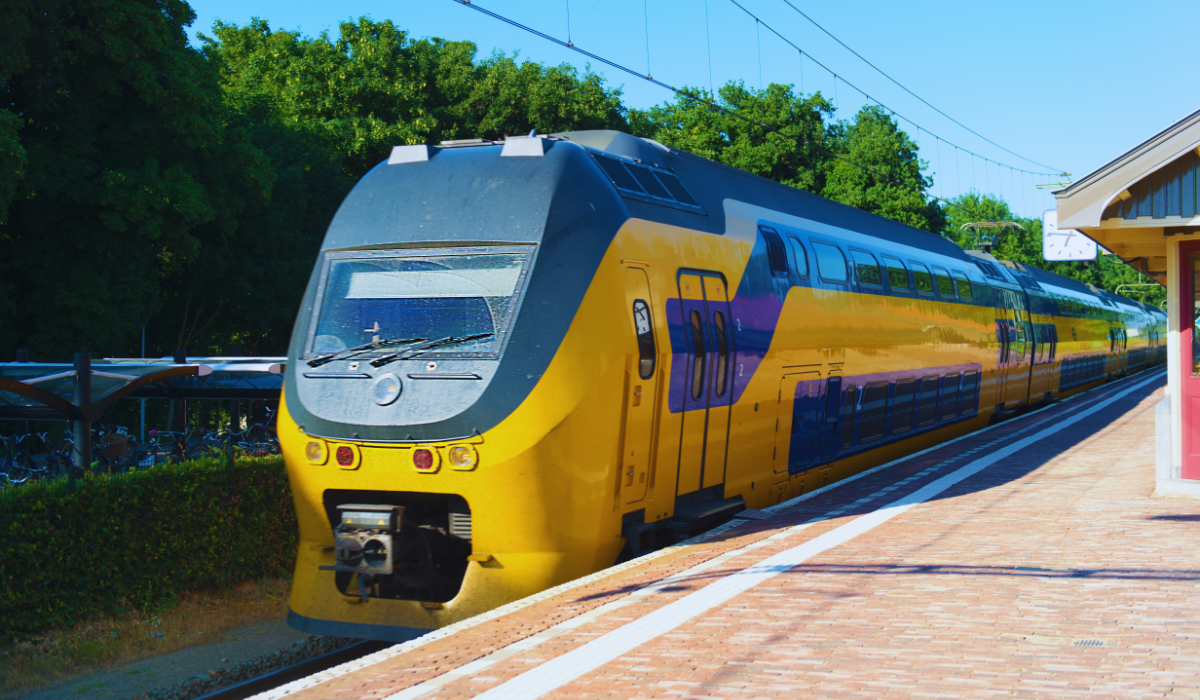
Trains: Fast Travel Between Cities and Beyond!
The backbone of Dutch intercity public transport is the train system, primarily operated by NS (Nederlandse Spoorwegen). NS is the national rail carrier. Trains are frequent and punctual, connecting virtually every corner of the country.
But NS isn’t the only player on the tracks. Several regional train operators also serve specific routes, particularly in less urban areas. These include:
-
Arriva – Operates in parts of Friesland, Groningen, Limburg, and the Achterhoek region.
-
Keolis – Covers areas in Overijssel, Gelderland, and Utrecht.
-
Connexxion – Runs select local lines in North Holland.
-
Breng – Operates in and around Arnhem and Nijmegen.
-
Qbuzz – Services in the provinces of Groningen and Drenthe.
Although these are separate companies, you don’t need a separate ticket or card to use them. An OV-chipkaart works seamlessly across all Dutch train operators, and you can plan trips across all networks using the NS app or the 9292 journey planner.
Types of train services:
-
Sprinter: Local trains that stop at all stations — perfect for short, regional hops.
-
Intercity: Faster trains connecting major cities in the Netherlands.
-
Intercity Direct: High-speed trains that connect major hubs.
-
Regional Trains: Operated by non-NS providers — these may look different, but ticketing and check-in/check-out work the same.
NS also offers some international train services, and you’ll sometimes see passenger trains from neighboring countries at some stations. The Dutch rail network connects you directly to the rest of Europe!

Trams: City-Friendly and Scenic
In some Dutch cities, trams are an iconic part of urban life. They’re perfect for short, inner-city travel and tend to run frequently late into the night.
Trams are a great way to see the city at street level while avoiding traffic. Just be sure to tap in and out with your OV card, even on trams!
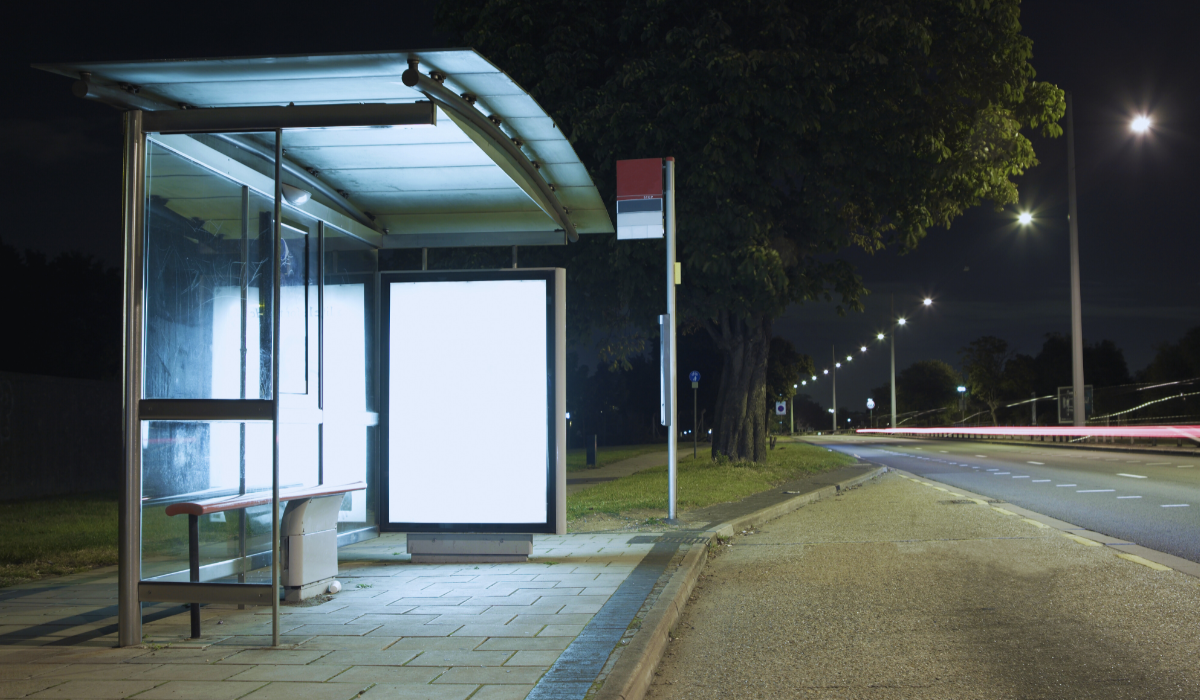
Buses: Comprehensive Local Coverage
For areas not covered by trams or trains, buses fill the gap. They are particularly useful in suburban or rural areas.
There are several bus operators in the Netherlands, including Arriva, Connexxion, Qbuzz, and EBS. They each serve different regions. City-based operators, such as GVB in Amsterdam, also run local bus lines.
Buses are modern and usually have Wi-Fi and power sockets. Like other public transport, schedules are generally reliable and easy to find via the 9292 app, operator apps, or online.
Trains don’t run all night, but night buses are available in major cities.
The Metro: Fast Urban Connections
In larger cities like Amsterdam and Rotterdam, the metro is the fastest way to cross town. The metro is especially useful if you live in outlying neighborhoods or are commuting from the suburbs.
-
Amsterdam Metro: Runs from the city center to areas like Zuidoost and Amstelveen.
-
Rotterdam Metro: More extensive, including connections to The Hague.
Metro stations and trains are clean and safe, and most trains run from early morning until midnight. Again, you can check in and out using your standard OV card!
Ferries: Take to the High Seas!
In the Netherlands, you’re never too far from water. If you’re living in or visiting Amsterdam Noord, you may become well acquainted with the free ferries operated by GVB. These run across the IJ River, connecting the central station with the north.
Ferries run every few minutes and are open to pedestrians, cyclists, and scooters. They’re not only practical but also offer some of the best views of the city. Not all ferries are free. Some run between the Dutch islands and the mainland, or connect parts of the coast, such as the Breskens-Vlissingen ferry.
Read Also: The Silent Etiquette of Dutch Public Transportation: What Every Expat Should Know
OV-Chipkaart: Your Key to Dutch Public Transport
To use most public transport in the Netherlands, you’ll need an OV-chipkaart, a rechargeable smart card that allows you to check in and out across various types of transport.
There are three main types:
-
Standard OV-chipkaart: Ideal for visitors or new arrivals. It can be purchased at stations, kiosks, or supermarkets.
-
Personal OV-chipkaart: Recommended for residents. It includes your name and photo, and enables you to set up subscriptions and automatic top-ups.
-
Disposable tickets: More expensive and valid for one-time or short-term use.
Don’t forget to check in and out every time you board and leave, even when transferring between services.
You can load credit onto your OV-chipkaart at ticket machines or link your personal card to a bank account for auto-reload.
Subscriptions: Save Money on the Commute
If you commute regularly, subscriptions can save you a lot of money. You can also save on travel during certain hours of the day or when traveling with someone else.
-
NS Flex: A flexible subscription that lets you pay monthly and choose between different discount levels depending on the time of day you travel.
-
NS Business Card (Zakelijk): For work travel; includes door-to-door options like shared cars and bikes.
-
Regional Subscriptions: Operators such as GVB, RET, and HTM offer monthly or yearly passes for unlimited travel within their respective networks.
-
Student and Senior Discounts: Special rates are available for specific groups.
Subscriptions can be managed online or through operator apps, and are easily cancelled or changed!
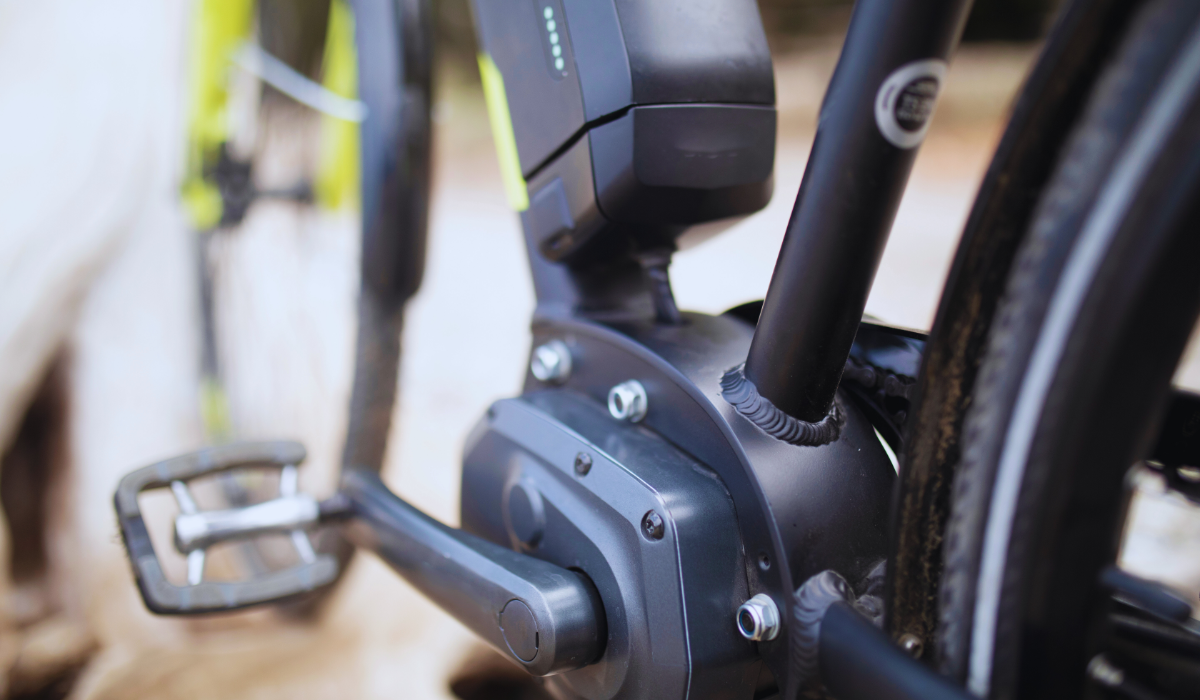
E-Bikes and Beyond!
Of course, no guide to Dutch transport is complete without mentioning the humble bike. In cities, the Dutch use bikes to get from A to B, and often, they are the fastest way to get around and avoid traffic. If you don’t own a bike, you can rent one in several ways.
-
OV-fiets: Available to personal OV-chipkaart holders, these are rental bikes at stations for quick, last-mile travel. The NS app allows you to see how many bikes are available at a station in advance.
-
Swapfiets: A subscription-based bike rental service. Ideal if you want your own wheels without the hassle of maintenance.
-
Bolt Bikes: Available in many cities, Bolt offers electric bikes and scooters for rent via their app.
If you’re biking, don’t forget lights and locks. Dutch police take bike safety seriously. Rental bikes typically provide helmets, and e-bikes and scooters should always offer helmets as well.
For app-based transport:
-
Uber: Available in most major Dutch cities. A bit more expensive than public transport, but handy for late nights or group travel.
-
Bolt & FREENOW: Uber competitors, they often offer lower fares or discounts. Only available in select cities.
-
Greenwheels & MyWheels: Car-sharing services that are great for weekend getaways or IKEA runs.

Grab an App to Make Life Easier
Dutch transport is wonderfully connected, and signs are in English. Staff are also nearly always on hand to help you out. However, these apps make navigating it even simpler!
-
NS app: For train schedules, delays, and ticket purchases.
-
9292: Multi-modal planner covering all transport types and operators.
-
GVB, RET, HTM: Local apps for Amsterdam, Rotterdam, and The Hague.
-
Google Maps & Citymapper: Also work well for planning routes across the country.
-
OV-chipkaart app: Manage your balance, subscriptions, and card settings.
In Summary
Dutch Public Transport is safe, clean, and (mostly) reliable. Whether you’re a daily commuter or a weekend adventurer, there’s a transport option that fits your lifestyle. With a bit of planning and the right apps, navigating Dutch cities and the countryside becomes a breeze. We haven’t mentioned taxi services, but they are available throughout the country. Taxis can be expensive, so consider other options first!
So grab your OV-chipkaart, hop on that tram, and enjoy the ride. The Netherlands and the rest of Europe await!