
The Red Light District Move; Where to, and What Does it Mean for the City
Categories: Culture,Latest News,News from the Netherlands
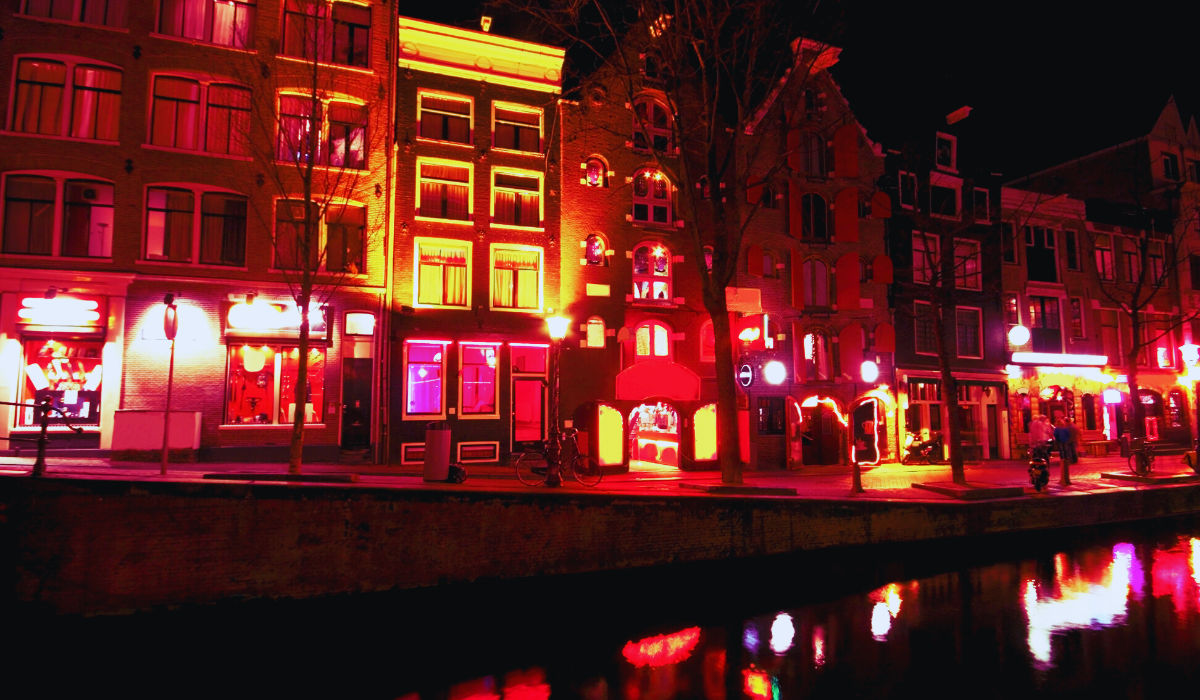
Amsterdam’s Red Light District has for a long time been synonymous with the liberal approach toward sex work, alongside the somewhat practical Dutch philosophy. But lately, “de Wallen” (the walls) have increasingly become a cause for concern. In an attempt to deal with these concerns, the municipality has decided to relocate the Red Light District and build a new “Erotic Center” in the Zuidas Business District outside the city center. This has spurred a number of discussions among residents and business owners in both the Red Light District and Zuidas Business District.
Protests
Sex workers in the Red Light District who rent rooms in the District have protested against the plan to move the red light district. Several demonstrations have been held. Dozens of protesters, many wearing masks to hide themselves, marched through the streets to City Hall; one banner read: “If sex workers are not to blame, then why are we being punished? Similar protests were held by residents of Zuidas Business District, and not everyone is happy. The business owners near the intended site worry about the impact on the area’s reputation whereas the sex workers fear losing income.
Why Move the Red Light District?
For years, the Red Light District has been a major tourist attraction, attracting millions of visitors each year to its cobblestone pavements. However, the area is witnessing overcrowding, public nuisance, tourists getting drunk, noise pollution, incidents of vandalism, and to some extent illegal activities. This spills over into pressure on local residents, ranging from rents to concerns about safety and quality-of-life issues. The city council of Amsterdam has been trying to curb mass tourism and restore sanity to the neighborhood. The year 2024 saw a greater set of regulations rolled out by the local government, such as banning cannabis smoking on the streets, allowing bars and brothels to keep shorter hours, and restricting guided tours within the Red Light District. However, these were just not enough.

A Little History about De Wallen
De Wallen, with an approximate Dutch pronunciation would be [duh VAH-len], is the traditional Dutch name for Amsterdam’s Red Light District. It literally means “The Walls”—thanks to the old city walls that once encircled this medieval neighborhood. The area essentially started off as a section of Amsterdam’s 14th-century fortifications, some of which still remain just next to Oudezijds Voorburgwal.
Heyday of the 80s and 90s
In its heyday, streets like Oudezijds Achterburgwal had every building with red-lit windows. However, at that time, the area had far fewer tourist bars/cafés – the area was primarily for sex work.
Prostitution was Illegal Until the Year 2000
It’s a little-known fact that prostitution was technically illegal in the Netherlands until the year 2000. However, the Amsterdam local council tolerated window prostitution as long as it remained discreet. In 2000, partly due to stricter rules, the closure of unlicensed brothels shut down around 40% of the brothels in the area, aiming to clean up the area.
Today, 290 ‘windows’ remain, 14 additional brothels operate on Spuistraat, and another 15 to 20 are dotted around the city. The rise of online platforms has also significantly decreased demand for traditional window-based sex work in Amsterdam.

What Could this Mean for the Residents of the Red Light District?
The plan would mean only 100 of the 290 brothels will be moved, leaving 190 remaining. This will lead to the possible gentrification of De Wallen. Empty brothels may be converted into cafés, hotels, or retail spaces. Property values could rise, pushing out remaining sex workers over time. Fewer windows mean higher rental costs for sex workers.
A Major Shift, But Not an Immediate End
One hundred window closures will shrink De Wallen but not eliminate it. Remaining brothels face higher rents and competition. Illegal work may increase if legal options decline. Tourist crowds may shift, but not disappear. The plan could be creating space for alternative commercial development, improving working conditions for service providers, and improving residential quality of life.

Where Will the New Adult Center be?
After years of discussion, the city has decided that the new Erotic Center will be built on Europaboulevard, located near the Zuidas business district. This area was chosen because it is outside the city center, which makes it less crowded with tourists in De Wallen. It is also easy to get to (close to the RAI convention center and primary transportation links). It makes it easier to control sex work, which cuts down on illegal activities. In the new Erotic Center, there will be private rooms for sex workers, security, and support services in the center, which will be a multi-story building. The goal is to make the industry safer and more professional while maintaining its regulations.
Read Also: Let’s Talk About Sex in Dutch
When Will the Red Light District Relocate?
The Erotic Centre won’t open until at least 2032, according to the Amsterdam municipality. The breakdown is as follows:
- 2025–2026: Completing Plans and Consultation with the Public. The draft proposal will be open for public comment from June to July 2025.
- 2026–2027: The city council makes an investment decision.
- 2027–2029: Zoning and Legal Conflicts. In order to permit adult businesses on Europa Boulevard, the BOPA zoning amendment needs to be approved. Opponent lawsuits could cause the project to be delayed.
- 2030–2032: Building and Opening. If authorized, building construction begins 2030.
There will probably be delays because similar initiatives in Europe, such as Barcelona’s tourism reforms, have been plagued by bureaucracy and legal issues for years.
Will it Reduce Crime and Improve Living Conditions?
Amsterdam’s choice to relocate a part of the Red Light District to a purpose-built Erotic Center in Zuidas represents a profound shift in how the city manages mass tourism and urban life. The plan aims to strike a balance between regulation, protection, and modernization. However, its fulfillment will rely on how nicely those competing pastimes are addressed in practice. Whether this transformation ends in long-term upgrades or genuinely shifts the problems to new places remains to be seen. What is clear is that Amsterdam is redefining its relationship with one of its most iconic and controversial districts.