
6 Dutch Authors Every Expat Should Know, and Their Defining Book
Categories: Culture,Latest News
If you ask any expat to name a famous Dutch author, they’ll probably say Anne Frank. While The Diary of Anne Frank is an important piece of Dutch history (she also wrote it in Dutch), she was German-born. Native Dutch writers are a little under the radar. And that’s a shame. The country has a bold, and often dark literary tradition. From colonial guilt, wartime, and strict religious upbringings to the peculiarities of middle-class life, Dutch writers often write about the country’s hardest truths. Are you ready to jump into Dutch literature?
Here’s our list of six unmissable Dutch authors everyone should know, along with their defining book.
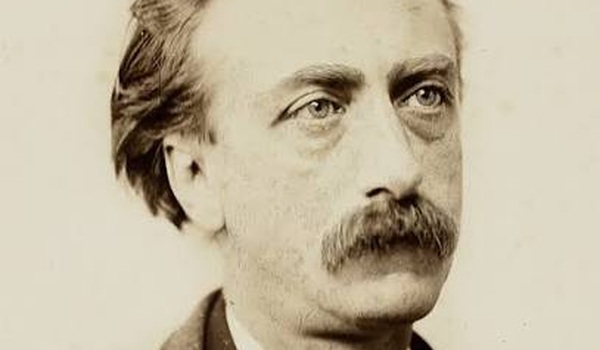
1. Multatuli (or Eduard Douwes Dekker, 1820–1887)
Born Eduard Douwes Dekker in Amsterdam, he worked as a civil servant in the Dutch East Indies (now Indonesia) during the Dutch colonial period. After witnessing the corruption and forced labor of locals, he took the pen name Multatuli (“I have suffered much” in Latin). He quit his post and, a few years later, poured his heart out in a Brussels hotel room with a damning indictment of the Dutch colonial system. All in just a few short weeks in 1859. The result… Max Havelaar, or The Coffee Auctions of the Dutch Trading Company (Max Havelaar, 1860). An epic milestone in Dutch literature, it uses satire and fury to open a window into the country’s colonial legacy. Lauded by titans like Karl Marx (for fairly obvious reasons) and Sigmund Freud, Douwes Dekker should definitely be on your essential list of Dutch authors to try.
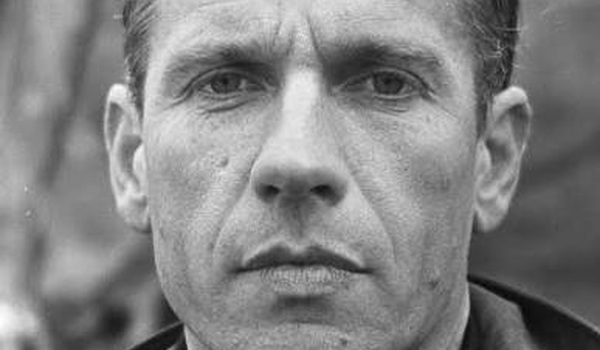
2. Gerard Reve (1923–2006)
Born and raised in Amsterdam, Reve is widely considered (along with Willem Frederik Hermans and Harry Mulisch) one of the “Great Three” post-war Dutch writers. Openly gay at a time when being gay was still very much taboo, he wove humor, religion, and a specific Dutch existentialism into his writing. But where to start? The finest example of his work is The Evenings (De avonden, 1947), set during the last ten days of December 1946, where a 23-year-old Dutchman, Frits van Egters, wanders through Amsterdam as he ponders boredom, balding (yes), and his parents’ endlessly mundane domestic existence. The Evenings encapsulates that dry Dutch sense of humor and is well worth the read. Yes, start here.
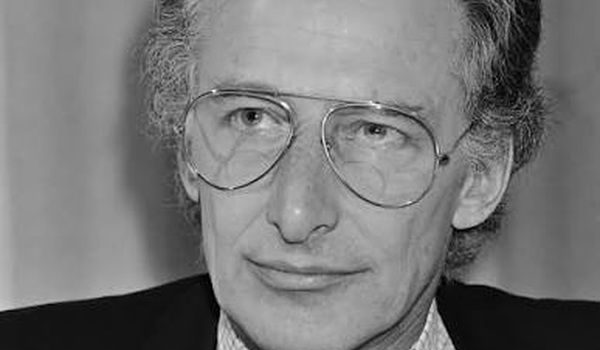
3. Harry Mulisch (1927–2010)
Harry Mulisch was born in Haarlem to an Austro-Hungarian father and Jewish mother. After his parents divorced in 1937, his father’s German housekeeper raised him. His father worked for a German bank that dealt with the confiscation of Jewish assets. But while his father’s influence in working with the Nazis allowed him and his mother to escape persecution, his mother’s family sadly died in the Holocaust (his father would later serve three years in prison for collaboration). Perhaps unsurprisingly, readers will note themes of guilt, fate, and morality. His masterpiece, The Assault (De Aanslag, 1982) goes back to an evening in 1945 that sees a Nazi collaborator shot outside a family’s home in Haarlem.
Over a narration of four decades, he dismantles the black-and-white narratives of “good” vs. “bad” during wartime. More than anything, it provides crucial insight into how the Dutch process history. Pick it up if you get the chance.
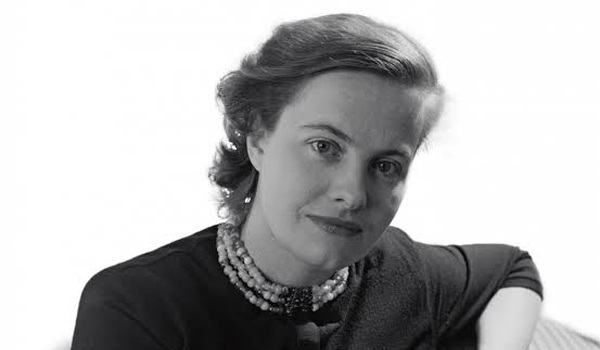
4. Hella S. Haasse (1918–2011)
Often referred to as the “Grand Old Lady” of Dutch letters, this national treasure was born in Batavia (now modern-day Jakarta) in 1918 before leaving for the Netherlands in 1938. Over a six-decade literary career, she wrote novels, novellas, and essays. Her work mainly explored cultural identity and the feeling of belonging, as best seen in Oeroeg (The Black Lake, 1948), which tells a story of childhood friendship between an Indonesian boy and a Dutch planter’s son amid the backdrop of the struggle for Indonesian independence. Gentle but unflinching, it delves into the past to ask the questions that still resonate today, and shows the history between the two countries and why you’ll find Indonesian restaurants in every city in the country.
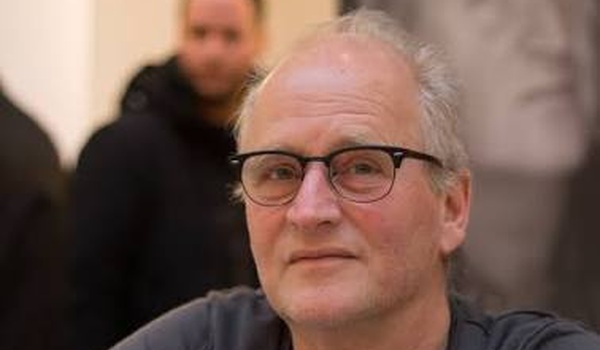
5. Herman Koch (born 1953)
Before becoming one of the Netherlands’ biggest literary exports, Herman Koch worked as a television producer and actor. Recognized for his razor-sharp social satire, he uses the technique of unreliable narrators to tell a story and expose the darker side of politeness and Dutch urban life. We see this in The Dinner (Het diner, 2009). Set over one evening in a fancy Amsterdam restaurant, two wealthy (and related) couples plan how they will try to cover up a hideous crime both their sons committed. Add to that that one of them is a candidate for Dutch Prime Minister, and you get plenty of moral dilemmas, twists, and turns. With a sneaky take on Dutch parenting culture and political posturing, The Dinner is a fast, if not totally comfortable, page-turner from Herman Koch.
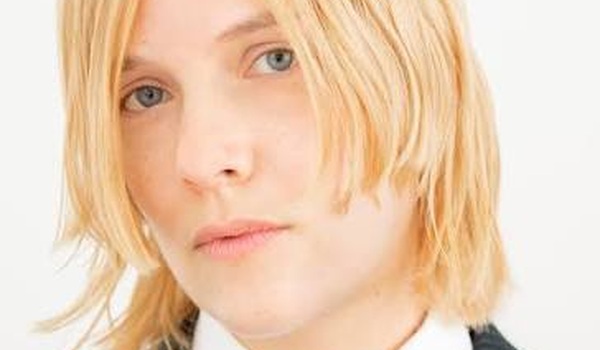
6. Lucas Rijneveld (born 1991)
Lucas Rijneveld grew up in North Brabant, in the Dutch ‘Bible Belt’ (de Bijbelbelt), in a strict Reformed farming family, and this backdrop sets the stage for Rijneveld’s psychologically gripping and unsettling debut novel, The Discomfort of Evening (De avond is ongemak, 2018). Rijneveld, then publishing as Marieke Lucas Rijneveld, was the first Dutch author to win the International Booker Prize for it, shared with translator Michele Hutchison. The novel follows ten-year-old Jas, who, along with her highly devout, religious family, is left reeling after her brother’s untimely death in a skating accident. Faith and silence characterize the family’s grief, and with no guidance from her parents to help her mourn, Jas soon falls deep into a series of destructive behaviors, including the refusal to take off a winter coat for months on end.
While undeniably dark, the writing is engaging and visceral, with memorable, vivid descriptions of agricultural life and scenery. What makes this even more authentic is Rijneveld’s own experience of working on a dairy farm.
Do I Have To Read In Dutch? Where Can I Find The English Versions?
The good news is you don’t need a C1 level of Dutch to read these books. All have direct English translations, available throughout the country.
- Public libraries: Try the OBA Municipal Library network in Amsterdam (more than 25 branches). Similarly, Bibliotheek Rotterdam and Den Haag have strong English fiction sections, often with the English translation and the Dutch one next to one another.
- English-Language Bookshops: Independent and the big book chains have English-language versions of Dutch literature. Try The American Book Center (ABC) (Amsterdam, The Hague), Waterstones (Amsterdam), Athenaeum Boekhandel, or Donner (Rotterdam).
If you’re learning Dutch and studying for the NT2, you could try matching the English edition with the Dutch, or using an audiobook if available. Pairing English text with Dutch for Herman Koch for instance, could be great for learning everyday speech and idioms.
The Takeaway
Dutch authors may not always write happy endings, but this is exactly why they are worth reading. In Dutch literature, you’ll find a literary tradition unafraid to take a long, hard look at colonialism, war, and middle-class hypocrisies. All with some dry humor, too. From the history-changing Eduard Douwes Dekker, to Herman Koch, and two of the ‘big three’ (Harry Mulisch and Gerard Reve) reading one or two of these books will give you more of a feel for the country and the things that have helped shape your life in the Netherlands today. So, where will you begin?
Leave a Reply
You must be logged in to post a comment.