
The Dutch Are Working Fewer Hours, and Productivity Is Growing Again
Categories: career & jobs,Latest News,News from the Netherlands
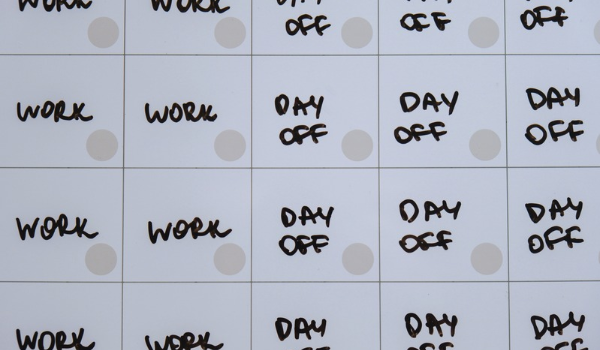
Many workers in the Netherlands have short work weeks. Many of them have a fixed day off, and coworkers don’t think anything of it. For years, economists have said this work style holds the economy back. Now, new data points the other way. Dutch productivity is growing at its fastest pace in years, and the shorter working week has helped this along.
Ten Quarters That Ended a Ten-Year Standstill
Economists from Rabobank published the data on Wednesday, 11 November. They said Dutch labor productivity increased 4.9 percent from the first quarter of 2024 to the third quarter of 2026. That is an average of 0.5 percent growth each quarter. In the ten years before, it barely moved.
Productivity is the value a worker adds per hour they work. In 2025, Dutch productivity grew 2.3 percent. In the first three quarters of 2026, it grew another 1.8 percent. Rabobank expects the economy to grow 1.8 percent in 2026, and almost all of that growth comes from increased productivity. Hours worked stayed about the same.
Read Also: Forget 40 Hours: Why the Dutch Mastered the 32-Hour Workweek
How Much Is Because of Shorter Weeks?
Since the spring of 2024, the number of hours worked per person has dropped in most quarters. Rabobank links that drop directly to the gain. People get more done in the hours that remain when they work less. They’re less tired, and they move private errands out of work time. The equipment, software and offices stay the same, so each hour has more equipment behind it.
Rabobank says that for every 1 percent drop in hours per worker, efficiency goes up between 0.2 and 0.4 percent. In 2025, shorter hours explain between 0.4 and 0.5 points of the 2.3 percent growth. In 2026, that effect is much smaller, about 0.1 point.
So, the shorter week helps, but it isn’t the whole story.

Fewer Freelancers, Better Numbers
Part of the gain comes from how hours are counted. A self-employed worker is on the books for more than 1,800 hours a year. An employee is counted at about 1,350. Since the end of 2024, the share of self-employed workers has dropped almost 2 percentage points. Tax breaks for freelancers were cut, and the tax office has been stricter in enforcing the rules on false self-employment.
When a freelancer becomes an employee and does the same work, fewer hours are recorded. On paper, productivity goes up. Rabobank says this shift adds almost 0.3 points to growth.
Wages play a part as well. Average pay in 2025 was about 19 percent higher than in 2022, and employers struggled to hire. This created pressure to get more out of fewer employees. Productivity in the machine-building sector jumped 10 percent in a single year.

Could AI Be Doing Some of the Work?
It is possible. The sectors with the largest growth in 2026 are ICT, industry and business services. These are the sectors where AI is changing desk jobs the fastest. About 63 percent of the ICT companies in the EU use AI, compared with about 20 percent of all companies. Rabobank sees signs, but says there is no hard evidence yet that AI is driving the numbers in the Netherlands.
Thinking of Asking for Fewer Hours?
You are allowed to ask. The rules are in the Flexible Working Act (Wet flexibel werken):
- You must have been employed for at least 26 weeks, and your company must have at least 10 employees.
- You need to send your request in writing at least two months before the date you want your hours to change.
- Your employer is required to respond in writing at least one month before that date. If your employer does not respond, the request is granted.
- Your employer can only deny a change in hours for serious business reasons.
Working less also means lower pay, less pension and fewer holiday hours. If you have a residence permit as a highly skilled migrant, your salary still needs to stay above the threshold. The employment lawyers at Flott Advocaten cover these and other points in their webinar on Dutch employment contracts and employee rights.
For more news about working in the Netherlands, sign up to our newsletter.
What Two Extra Hours a Week Would Really Bring to Dutch Productivity
The Dutch cabinet wants people to work more, not less. Rabobank calculated in October that if everyone aged 25 to 65 worked an extra two hours a week, the Dutch economy would be about €33 billion larger by 2035. But a drop in productivity per hour would cut the gain roughly in half. What remains is a little over €900 per person per year.
The bank also doesn’t expect the current pace to last. Some of the gain is temporary, and in the long run it expects the economy to grow roughly 1.2 percent a year. For now, Dutch productivity is rising while the workweek is getting shorter, and fewer than 6 percent of workers say they want more hours.
Leave a Reply
You must be logged in to post a comment.