
Utrecht Gave Away 3,000 Butterfly Gardens in a Day, and April Brings More
Categories: Fun,Latest News,News from the Netherlands
If you were in the province of Utrecht on Monday morning and opened the sign-up page for the free butterfly gardens, you had a shot at one of the 3,000 available. By Tuesday morning, they were all spoken for. Each box contains a guide, seeds and flower bulbs for a garden that attracts butterflies.
The rush shows how many people want to help. Utrecht went with the bulbs because the Netherlands has lost over half of its butterflies since 1992.
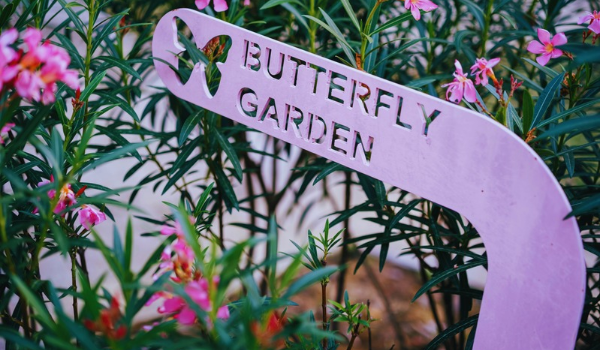
Utrecht Put 3,000 Free Butterfly Gardens Online, and They Went in a Day
The campaign is called “Plant mee voor meer vlinders,” which means plant along for more butterflies. The province of Utrecht created the campaign, with the nature groups IVN and Natuur en Milieufederatie Utrecht running it and De Vlinderstichting, the Dutch butterfly foundation, supplying the knowledge. The flower bulbs feed butterflies in early spring, when little else is in bloom. The seeds and the guide are for the rest of the year. Orders opened on Monday 2 November at 10:00 at nmu.nl/plantmee. The organizers posted an update on Tuesday, saying they had given out all the packages because of high demand.
Read Also: Early Hay Fever Hits Hard in the Netherlands
Why a Province Is Handing Out Bulbs
According to De Vlinderstichting’s counts, the number of day-flying butterflies in the Netherlands has decreased by 56 percent since 1992. Gijs de Kruif, the provincial executive for nature and agriculture, says this decline directly threatens biodiversity. In his words, the bulbs “help a bit.” They are part of the province’s Agenda Natuurinclusief 2026-2030, which aims to build nature into streets, backyards, and farms. The plan’s long-term goal is a nature-inclusive society by 2050.
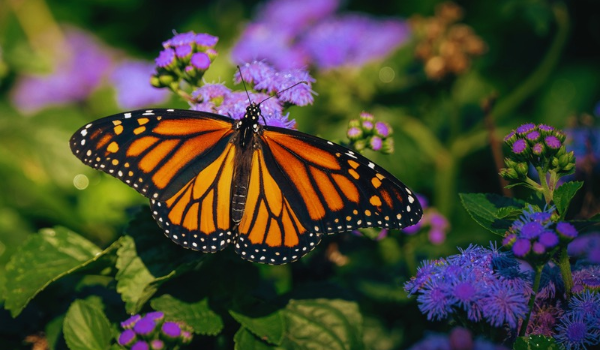
What Counts as a Butterfly Garden
A butterfly garden is not a wild field. It can be as small as a few planters on a balcony. For a butterfly garden:
- Plant native flowers that are pesticide-free. Butterflies take in spray through the nectar and the pollen.
- Provide nectar for the adults: oxeye daisy (margriet), wild marjoram (wilde marjolein), red campion (dagkoekoeksbloem) and sedum (hemelsleutel).
- Provide food for the caterpillars: dame’s rocket (damastbloem), purple loosestrife (grote kattenstaart) and wild honeysuckle (wilde kamperfoelie). No caterpillars, no butterflies.
- Mix the flowering times so something blooms from March to October, and leave some untouched area of your garden as shelter.
Bulbs are planted in the fall. That is why the packages went out now, before the Dutch soil becomes too cold and wet to dig.
Missed Out? The Spring Round Is in April
The spring round gives away perennials, plants that come back and flower every year. Organizers haven’t published dates or pick-up points yet. The way in is the newsletter on the same campaign page, which has 4,500 subscribers from the province and sends out garden tips. In the meantime, you can get the plants at any garden center. Sign up to our newsletter too, and you’ll hear when the spring round opens.
The Decline Is Worse Outside the Nature Reserves
The national picture, published in the Vlinderbalans 2026 in April, shows the sharpest decline in the countryside. Roadside verges that used to have meadow browns and skippers are often bare now.
Grassland butterflies have declined by 69 percent since 1992. Of the 54 species measured, 30 have declined, and 12 have increased. In 2025, both the large heath and the brown hairstreak hit all-time lows. The main reasons for the decline are habitat loss and fragmentation, nitrogen deposition, pesticide use, and severe drought from 2018 to 2020. Where towns and farmers adopt flower-rich borders, the foundation says, species return. The reasoning for 3,000 gardens is simple: the total adds up.
Counted Every Week Since 1992
There is nothing approximate about the 56 percent figure. Since 1992, more than 2,500 volunteers have counted butterflies on fixed routes every week from spring to autumn. Statistics Netherlands (CBS) processes the data. In 2024, the total declined for the tenth consecutive year. If you want to do more than plant, the foundation welcomes casual counts using free apps such as ButterflyCount. A leisurely Sunday stroll can then yield research data.
Leave a Reply
You must be logged in to post a comment.