
New Rules That Are Changing E-commerce Delivery
Categories: Latest News,News from the Netherlands
If you miss your favorite Tetley tea bags from the UK, or Hershey’s chocolate from the US, important changes are coming to how small parcels from outside the EU are handled. Here’s what to expect from these new rules to e-commerce delivery in the EU.
On July 1, 2026, a new E-commerce delivery rule was introduced in the EU. A new duty now applies as a one-time fee per parcel. The €3 charge applies to each product type, based on the HS code, within the shipment. For instance, if you ship five T-shirts and they all share the same HS code, the total duty is €3.
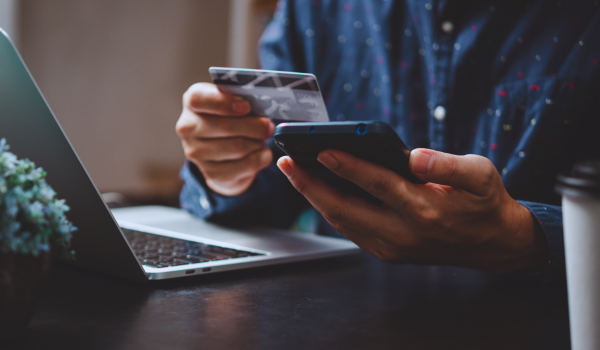
The €3 Import Duty: What Has Changed in EU E-commerce Delivery
Before July 2026, goods such as clothing, toys and electronics from outside the EU under €150 usually didn’t face customs duty on import; however, VAT still applied. However, in July 2026, the European Union added a €3 flat duty. This applies now to €150 or less.
Why The EU Changed E-commerce Delivery This Way
Every day, the EU receives a huge number of small, low-value shipments. The European Commission says many of these parcels fail to meet EU safety rules. Others are reported at too low a value or are listed as something else, which helps them skip proper customs checks. The old duty-free system also gave sellers outside the EU an advantage. That puts EU-based companies at a disadvantage.
-
Fair competition: Now, EU sellers and lower-cost non-EU sellers are treated more equally.
-
Border security: It limits unsafe or noncompliant goods.
-
Money Revenue: To bring in about €35 million in extra revenue for the Dutch treasury in July 2026 alone.
Even though €3 feels small, the effect on shipping routes and parcel processing is not small.
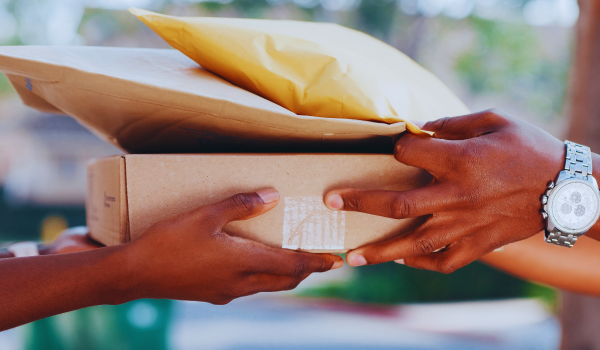
Parcel Declarations Down By 46% Since 1 July 2026
Dutch Customs says the number of E-commerce delivery declarations fell soon after 1 July 2026 and was 46% lower than the average monthly count from the first six months of the year. “Declaration lines” fell even more sharply, by a whopping 70%. A dramatic shift in two months, we’re sure you’ll agree.
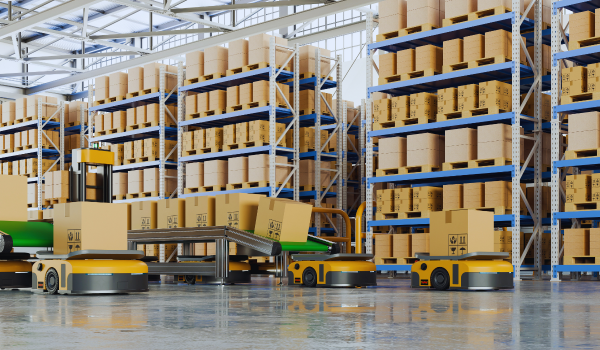
What Is Driving This Change? The European Warehouse Shift
It’s not that expat shoppers have lost interest in overseas goods. Far from it. It’s about how overseas sellers manage delivery.
Instead of shipping huge numbers of small parcels straight from factories overseas to our homes in Europe, retailers are first moving their stock, shipping inventory in large container batches to EU distribution centres. These sites are often in the Netherlands, Belgium, and France.
From there, goods get processed in bulk. The items sit locally until they are sent out to customers across Europe.
Nannette van Schelven, Director-General of Dutch Customs, said the change looks like a shift in how parcels are handled:
“The figures provide an initial indication that fewer individual parcels are being sent directly to consumers, making it easier for us to check whether products are safe. It appears that online shops from outside the EU are making greater use of warehouses located in Europe, from which parcels are then shipped to consumers…”
A New European Handling Fee (from 1 November 2026)
More change awaits. A new European Handling Fee is planned for November 2026.
Main Points of The New Fee:
-
Applies Broadly: It will cover parcels from non-EU online shops sent directly to EU consumers, whether under or above the €150 cutoff.
-
Who Pays: The fee will be charged to the party that submits the customs paperwork, usually the courier or postal operator.
-
Scanning and Control: Fee revenue will fund better parcel scanning systems and AI support tools. Dutch Customs are then better able to identify higher-risk shipments.
The European Commission will state the exact sum in another decision. There is still no published number.

What It All Means For You
These rules may well change how online shopping and E-commerce delivery works.
1. Quicker Delivery (fingers crossed anyway)
As more sellers and firms store their goods in the EU, delivery for popular products could improve from two to three weeks down to one or two business days.
2. Possible Cost Change
Bulk logistics could very well reduce those pesky shipping costs for online sellers. Sellers may still end up covering the duty fees, or they may show them on you. You may see increases on certain goods. But online checkouts show the final cost, so you don’t get a nasty delivery fee.
3. Extra Diligence for UK & US Orders
If you often buy goods, clothing, or comfort items from smaller sellers in the UK, the United States, or non-EU regions, and the items are not stored in Europe:
-
Check The Shipping Setup: Choose a retailer that shows Delivered Duty Paid (DDP) at checkout. That usually means customs charges and duties get counted before the shipment goes out.
-
Combine Orders: Placing an order with more items in a single parcel means you lower the chance of paying repeated handling costs for each single delivery.
-
Go Closer To Home: When able, look for the same products through European shops, EU sellers, or local options like EU e-commerce marketplaces such as Bol.com, Amazon.de, or Zalando. This can help you avoid extra border steps.
The Bottom Line
Overall, more warehousing inside Europe and tougher import rules are a big shift for cross-border shopping in Europe. The new €3 duty, plus a fee that is set to arrive in November, means buyers need to pay a little more attention before they press “buy.” The upside? As the market adjusts, you should see safer goods, clearer customs costs, and quicker delivery. A little extra attention now, smoother shopping later.
Leave a Reply
You must be logged in to post a comment.