
The VOC: How a Dutch Company Changed the World from Amsterdam’s Canals
Categories: Culture,Latest News
Walk around Amsterdam today, and you’ll find signs of the Dutch Golden Age everywhere: stately canal houses, grand merchant buildings, and the lingering scent of spice in some of the city’s older shops. It can be easy to forget that this somewhat small, waterlogged country once ran the most powerful company on Earth—and that for a brief, extraordinary moment in history, Amsterdam was the beating heart of global commerce.
Back in 1602, the wealth behind those canal houses and merchant palaces began with an audacious experiment. That experiment was the Dutch East India Company—or Vereenigde Oostindische Compagnie, if you want to impress at dinner parties—and it wasn’t just another trading venture. By creating a company with shareholders who could freely buy and sell their stakes, the Dutch essentially invented the modern corporation. That single innovation gave them an edge: while other European powers relied on royal treasuries to bankroll expeditions, the Dutch had figured out a way to crowdsource empire-building.
The result? Large loads of Asian treasures flowing into Amsterdam’s warehouses, transforming a collection of soggy provinces into the financial capital of the world, and creating a business model so ruthlessly effective that we’re still living with its consequences today.
A Country on the Rise
To understand why the VOC was such a big deal, you need to picture the Netherlands in the late 1500s. The Dutch provinces were still fighting to free themselves from Spanish rule. It was a tense, chaotic time—but also one filled with energy and ambition.
Amsterdam, with its bustling port and savvy merchants, was fast becoming the financial nerve center of Europe. The city thrived on risk, drawing in wealthy investors, shipbuilders, and traders eager to profit from the booming spice trade out of Asia. Nutmeg, pepper, and cloves carried such immense value in Europe that fortunes were made—and lives were gambled—on the chance of bringing them home.
But there was a catch. Getting to those spices meant sailing for months to the other side of the world, facing pirates, storms, disease, and fierce competition from the Portuguese. Individual merchants couldn’t handle it alone.
So in 1602, the Dutch government stepped in and gave a group of competing trading companies a nudge: join forces. The result was the VOC.

What Made the Dutch VOC So Different
The VOC didn’t just pool resources. It introduced something entirely new—shares. People could buy stock in the company and earn a portion of the profits. That may sound normal now, but at the time, it was revolutionary. Investors lined up, and the company raised massive amounts of capital.
Backed by the government, the VOC was also granted special privileges called “Octroi Rights,” including the ability to build forts, sign treaties, wage war, issue money, and govern colonies. This was no small business. It became a state within a state—one with offices in Amsterdam and dozens of outposts across Asia.
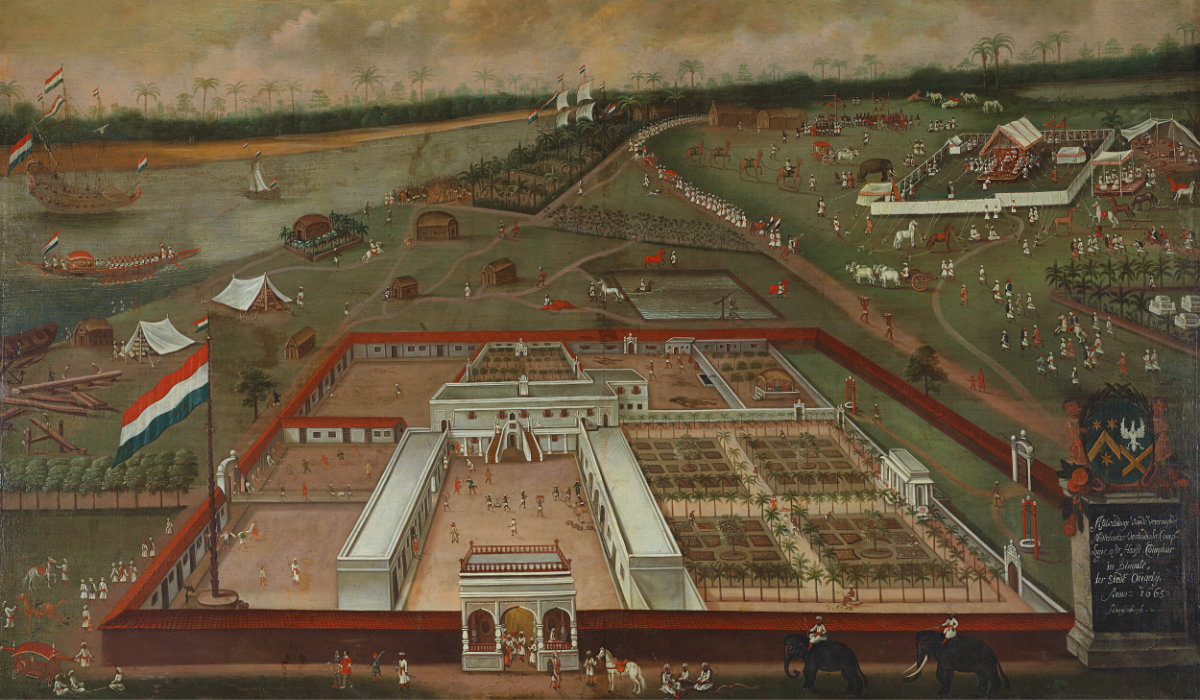
At its peak, the VOC had tens of thousands of employees, its own private army, and a fleet that dwarfed most national navies. It built trading hubs in Batavia (modern Jakarta), Colombo (Sri Lanka), and Japan, sending back shiploads of cloves, cinnamon, tea, textiles, and porcelain.
The Golden Age Boom
The money that poured into the Netherlands helped fuel a cultural explosion. Dutch painting flourished—Rembrandt and Vermeer were brilliant creative figures, but they were also products of a wealthy merchant society that could afford to fund the arts.
Science, philosophy, and banking all flourished too. The Amsterdam Stock Exchange—another world first—was created in part to handle all that VOC investment and securities. Dutch mapmakers, inspired by Dutch global trade networks, became some of the best in the world. If you’ve ever seen a baroque-era map with sea monsters and ships on it, there’s a good chance it came from a Dutch workshop.
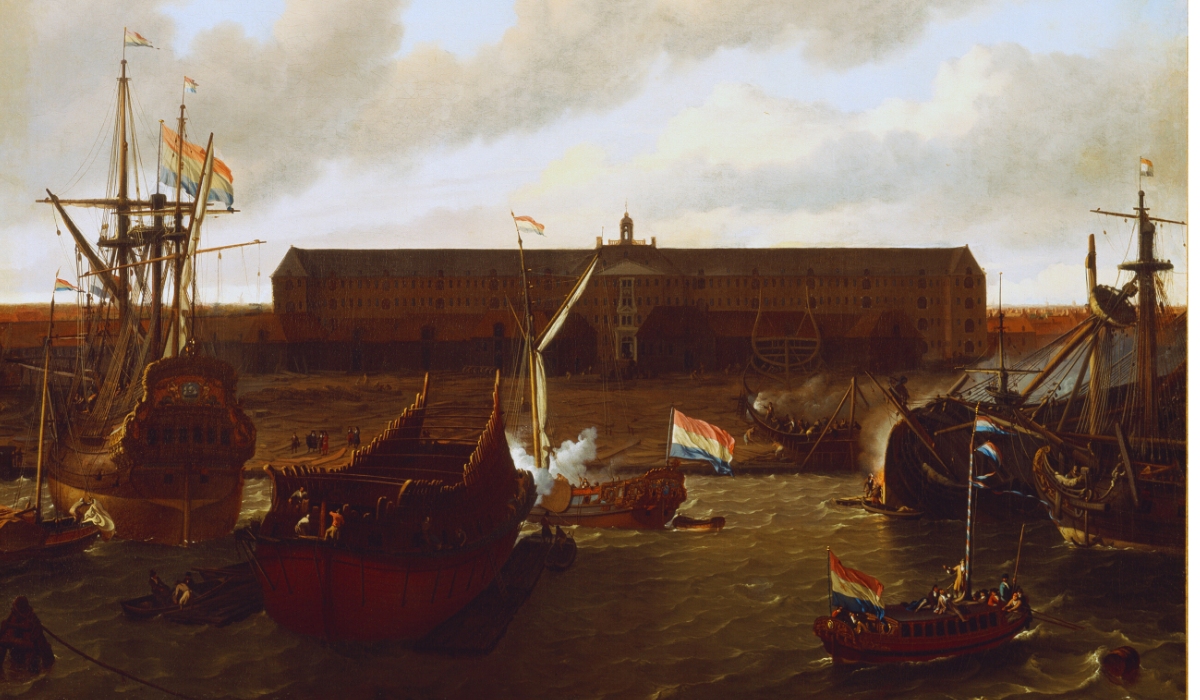
The VOC’s wealth also transformed how the Dutch lived and worked. Amsterdam’s famous canal ring was a carefully engineered response to explosive growth, with each ring expanding outward as more merchants needed grand houses to match their newfound status and the city required more efficient water management and transport. Even now, the design of its canals and warehouses reflects that moment in time, when business was booming and the world felt wide open.
A Complicated Legacy
But here’s where the story takes a turn. The VOC didn’t just trade. It conquered. It pushed out rivals (often violently) and forced local populations into harsh labor. It monopolized spice production by controlling the supply with brutal tactics, including the destruction of crops and entire communities that resisted.
In places like Indonesia, the VOC’s presence laid the groundwork for centuries of colonial rule. Many of the structures of power, inequality, and resource extraction set up by the company lasted long after it shut down.
Slavery was also part of the VOC’s business model. Enslaved people were used to build forts, work on plantations, and serve in VOC households. For modern-day visitors and residents in the Netherlands, this is an uncomfortable part of the past, but one that’s increasingly being acknowledged. Museums like the Rijksmuseum and Amsterdam Museum have started to confront these histories more directly, offering space for dialogue and reflection.
The Fall of a Giant
Like many giants, the VOC eventually stumbled under its own weight. Corruption ran rampant. The company got bloated with bureaucracy and struggled to compete with rising powers like the British East India Company.
By the late 1700s, wars in Europe and the costs of maintaining overseas territories drained its finances. In 1799, the VOC was officially dissolved. Its assets—territories, debts, ships—were taken over by the Dutch state, marking the end of an era.
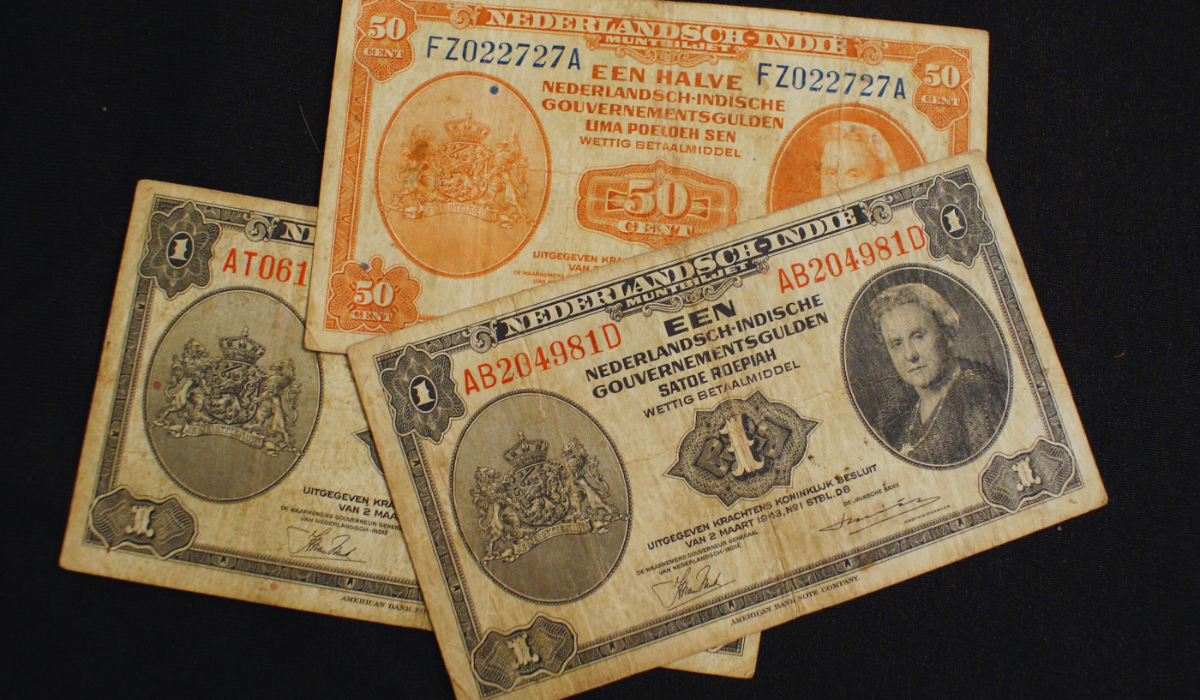
But its influence didn’t vanish overnight. The Dutch East Indies (modern-day Indonesia) remained a colony until the mid-20th century, and the trading mindset of the VOC left a permanent mark on Dutch identity.
Traces of the VOC Today
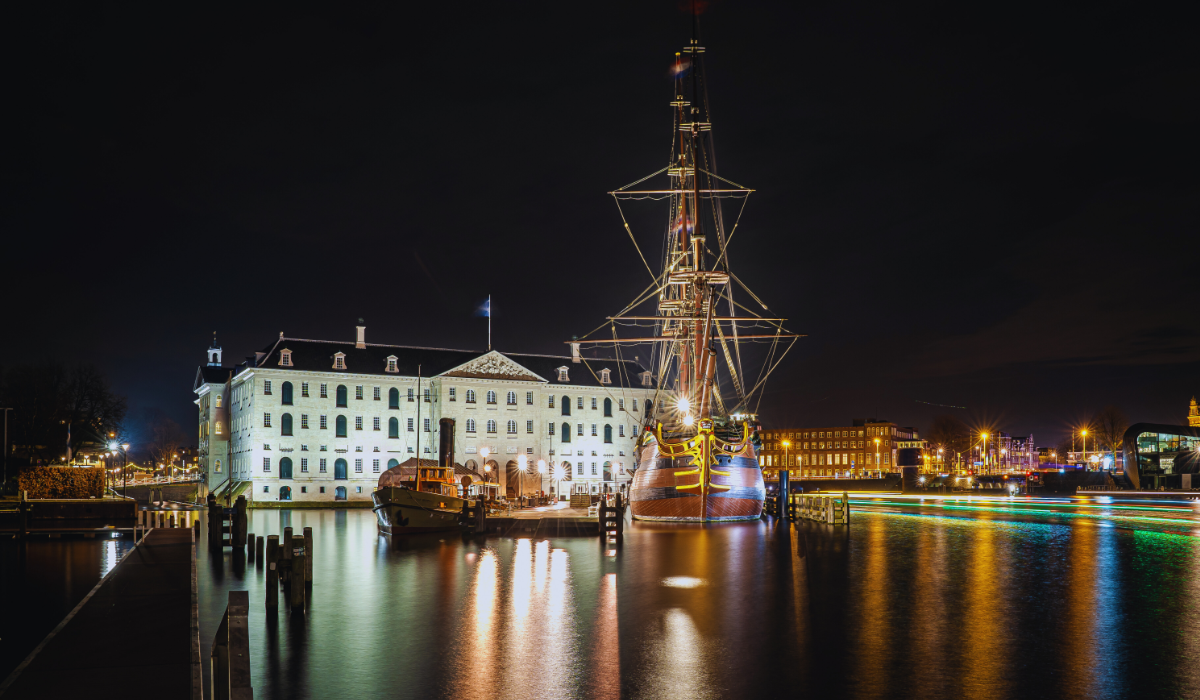
You don’t have to look far to find reminders of the VOC in the country. A walk through Amsterdam will take you to the old VOC headquarters near the Scheepvaartmuseum and many canal houses were built with Dutch VOC wealth. Even the country’s love of commerce, openness to global trade, and sharp business sense can be traced back, in part, to this company.
The global routes the company carved centuries ago still echo in what the Dutch eat, drink, and trade today. Its empire may have ended, but its fingerprints remain in the most ordinary corners of daily life. For expats living here, it’s worth understanding how deeply the Dutch VOC shaped the Netherlands. Not just its economy, but its cities, its museums, even the Dutch attitude toward trade, risk, and history. It’s a story of ambition, innovation, and consequences—one that started on these very streets.