
The Dutch Ate Less Meat Again in 2025, and Only Chicken Is Growing
Categories: Food and Drinks,Latest News,News from the Netherlands
Potatoes, vegetables, and a piece of meat are still a common evening meal in Dutch homes. Rookworst, kroketten and a Saturday visit to the market butcher are part of everyday life here. So here’s a number about dutch meat consumption that may surprise your colleagues as much as you.
In 2025, the average Dutch resident consumed 67.3 kilos of meat consumption, down 1.5 kilos on the year before and the lowest amount recorded since tracking began in 2005. 67.3 kilos of meat sounds like a lot, but not all of it gets eaten. In fact, only about half ends up on a plate.
How Do You Count a Nation’s Meat?
Each year, Wageningen University & Research (WUR) calculates average meat consumption for the Dutch population for the animal welfare group Wakker Dier. Wakker Dier published this year’s figures in a press release on Wednesday 14 October, and the Dutch media ran the story the same day.
WUR doesn’t measure what you eat for dinner. It calculates the total number of livestock slaughtered in the country, plus imports and exports and stock changes, and then divides the total by the population to get a carcass weight, bones included. Of the total weight, about half ends up as meat you actually eat. So the 67.3 kilos of meat in 2025, averaged per person, means roughly 33.7 kilos of edible meat, which is about 0.7 kilos less than the 34.4 kilos in 2024.
Chicken Is the Only Thing Going Up
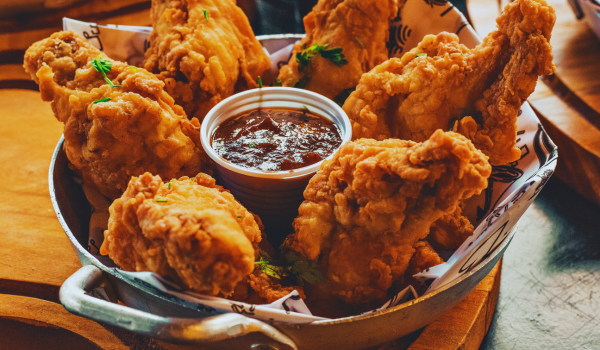
Red meat is losing, white meat is winning, and WUR researcher Hans Dagevos says the same shift is visible in other countries. Per person, in kilos of carcass weight, the picture looks like this.
- Pork at 28.3 kilos, down from 29.7
- Poultry at 22.5 kilos, up from 22.0
- Beef at 14.3 kilos, down from 14.8
- Veal at 1.2 kilos, down from 1.3
Sheep, goat and horse together add one kilo and haven’t moved. The WUR note describes a moderate decline in beef and a stable, slightly rising line for poultry. It’s too early to tell if the new ‘hybrid’ products (meat and plant protein combinations) are cutting meat consumption, and the authors say expectations should be kept modest.
Read Also: All the New Dietary Guidelines in the Netherlands
The Correction That Erased Five Kilos of Pork
Here’s the insider part. WUR also revised its own history books. The slaughter stats published by CBS turned out to be much higher than the stats of RVO (the government agency that registers livestock) for the years 2019 to 2022. WUR switched to the RVO data back to 2018.
The impact is big. The 2024 pork estimate fell from 35.1 kilos to 29.7, and the total for 2024 fell from 74.4 kilos to 68.8. This means the Dutch were eating less pork than was generally known. CBS plans to adjust its slaughter stats in late October.
Still Double What the Voedingscentrum Advises
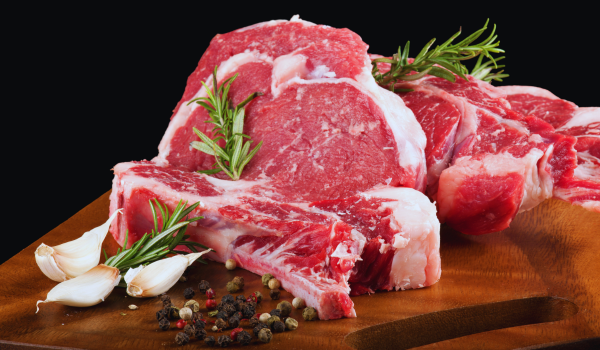
In the spring, the Dutch nutrition center lowered its meat recommendation. The new Schijf van Vijf, the Dutch food guide, presented on 9 April, states no more than 300 grams of meat a week, including no more than 100 grams of red meat, according to NOS. That’s about 15.6 kilos a year. The average resident, who currently eats about 34 kilos of meat a year, is still at about double that recommendation.
On a practical level, that means that one 200 gram chicken breast uses up two thirds of your weekly recommendation. A standard 100 gram beef patty uses up your entire weekly recommendation of red meat. The recommendation prior to April was 500 grams.

Where You’ll Notice It
You’ve probably already seen it at the checkout and in the chilled aisle, where the plant-based shelf keeps growing.
Dutch supermarkets have set themselves a target of 50% plant-based protein sales in 2025 and 60% by 2030. The 2025 count came in at 42.6%, a slight decline from 2024, so the interim target was missed, according to Nieuwe Oogst. The next WUR count will show whether the shelves are reaching the slaughterhouse numbers. Esmee van Vliet of Wakker Dier called this year’s drop good news for animals and the climate. Wakker Dier has noted that the line has trended downward since 2019.
Pork Still Wears the Crown
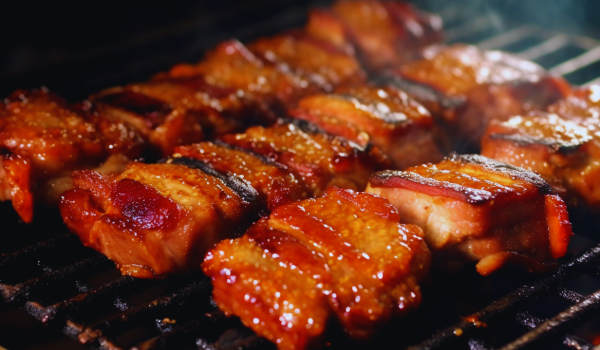
There may be a lot of changes afoot, but for now pork is still the national favorite. With 28.3 kilos per person it accounts for 42% of the total, and when combined with veal and beef, red meat accounts for about two thirds of the total, according to the WUR note. Twenty years ago it was 76.7 kilos per person. The Dutch have cut 12 percent since then, and the trend is still pointing down.